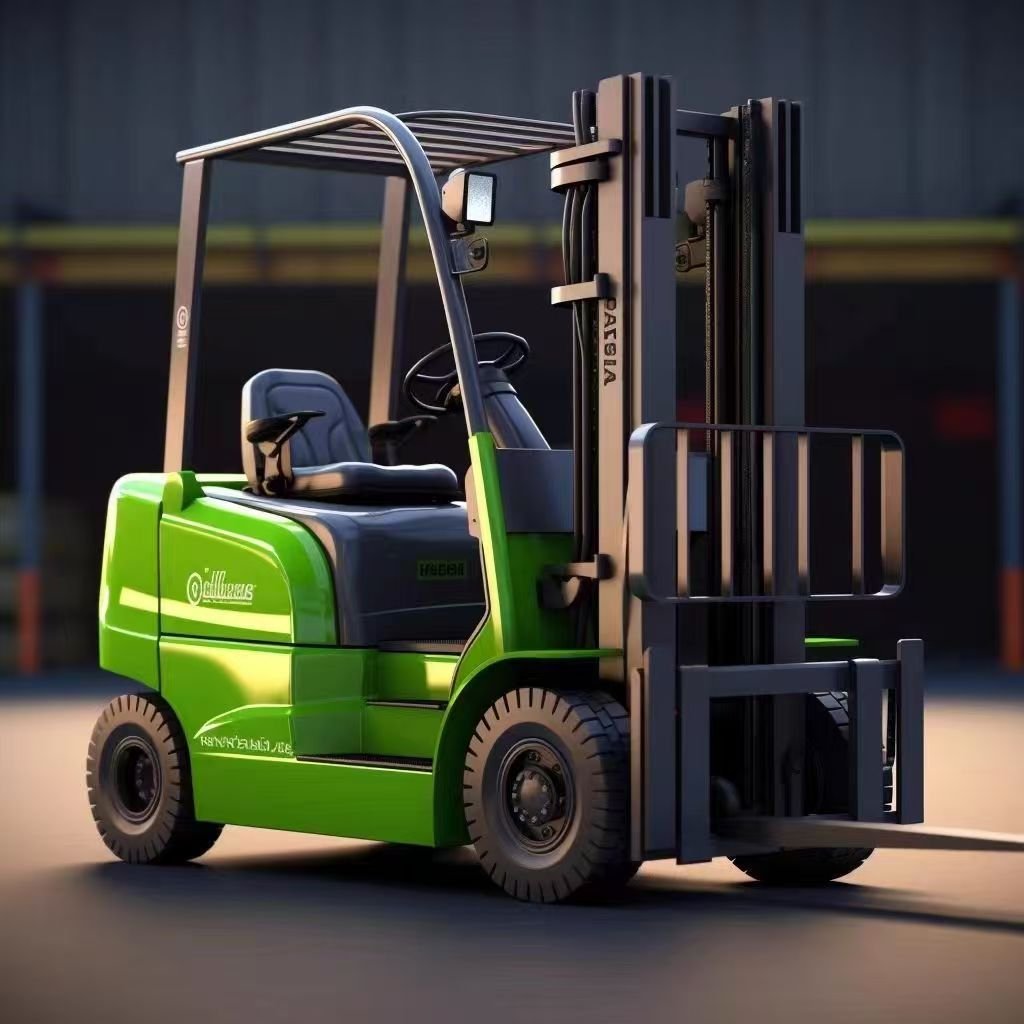
Troubleshooting Guide for New Energy Electric Forklifts: 5 Key Points to Read Before Purchasing
When procuring new energy electric forklifts, troubleshooting capabilities are an important dimension for evaluating equipment reliability and total cost of ownership. Compared with traditional diesel forklifts, new energy electric forklifts (such as lithium battery and hydrogen fuel cell models) are more complex in terms of electrical systems, battery management and drive control, and their fault modes are also completely different. This article, from a procurement perspective, outlines common fault types, troubleshooting methods, and reliability parameters to consider when selecting new energy electric forklifts, helping you mitigate risks and reduce downtime losses in your procurement decisions.
I. Common Fault Types and Causes of New Energy Electric Forklifts
The failures of new energy electric forklifts are mainly concentrated in three modules: battery system, motor drive, and electronic control unit. According to industry after-sales data, about 40% of failures are related to batteries, 30% involve motors and controllers, and the rest are hydraulic and mechanical components. Common faults include:
- Sudden drop in battery life or inability to charge This is mostly caused by poor battery consistency, BMS (Battery Management System) communication failure, or charger mismatch. When purchasing, it should be confirmed whether the battery brand and BMS have active balancing functions.
- Drive motor overheating or making abnormal noises This is usually caused by poor heat dissipation, bearing wear, or overloaded operation. Pay attention to the motor protection level (IP54 or higher is recommended) and cooling method.
- Electrical control system errors (such as overcurrent or overvoltage) : This may be due to aging wiring, contactor blockage, or incorrect parameter settings. When purchasing, priority should be given to controllers with fault self-diagnosis functions to facilitate rapid location.
- hydraulic lifting weak The hydraulic pump of an electric forklift is driven by a motor. If the motor speed is insufficient or the hydraulic oil is contaminated, it will cause slow lifting. Regularly changing the hydraulic oil and filter elements is key.
II. Basic Troubleshooting Process and Procurement Considerations
Efficient troubleshooting relies on a clear diagnostic process and an easy-to-maintain design. When purchasing new energy electric forklifts, it is recommended to assess the following maintenance-friendliness indicators:
- Fault Code Display : The instrument panel or handheld diagnostic tool should be able to read specific fault codes, not just warning lights. This can significantly shorten the investigation time.
- modular design Are the battery pack, motor controller, etc. easy to remove and replace? Modular design reduces downtime waiting for parts.
- Remote Monitoring and OTA Some high-end models support remote fault warnings and software upgrades, making them suitable for fleet management. When purchasing, you can ask the supplier if they provide the service and the fees.
- Spare parts supply cycle Understand the supply cycle of critical spare parts (such as BMS modules and contactors) to avoid prolonged downtime due to waiting for spare parts.
In addition, daily inspections and regular maintenance by operators are crucial for preventing malfunctions. It is recommended that suppliers be required to provide on-site training in procurement contracts and that a regular inspection system be established.
III. How to evaluate failure rate and reliability during model selection
Failure rate is one of the core indicators for procurement decisions, but suppliers often only provide theoretical data. You can obtain more authentic reliability information by:
- MTBF (Mean Time Before Failure) data required The MTBF of mainstream brands of new energy forklifts is typically between 800 and 1500 hours. Test reports from different suppliers can be compared.
- Examine cases under similar working conditions Inquire about the supplier's existing customer usage in your industry (such as warehousing, logistics, manufacturing), especially the failure statistics after 1-2 years of equipment operation.
- Pay attention to the warranty terms of the three-electric system. The warranty period and scope of batteries, motors, and electronic controls directly affect subsequent repair costs. The industry standard is generally 3-5 years for batteries, and 2-3 years for motors and electrical controls.
- Refer to third-party reviews : such as New energy electric forklift A special evaluation report was conducted to understand the performance of different brands in terms of failure rate.
It is worth noting that the recent launch of new products in the hydraulic excavator market (such as Kobelco launching three new models) reflects the construction machinery industry's continued investment in new energy and intelligent technologies. This trend also affects the forklift industry, driving continuous advancements in electronic control systems and fault diagnosis technologies. When purchasing, you CAN pay attention to whether the supplier uses the latest CAN bus communication and intelligent diagnostic protocols.
IV. Cost and Budget Reference: Total Cost of Ownership Associated with Troubleshooting
The total cost of ownership (TCO) of new energy electric forklifts includes procurement costs, energy costs, maintenance costs, and downtime losses. Troubleshooting capabilities directly affect the latter two items. The following is industry reference data (taking a 3-ton lithium battery forklift as an example):
- Procurement costs Approximately 150,000-250,000 RMB, depending on battery capacity and brand.
- Annual maintenance costs Typically 3%-5% of the purchase price, including regular maintenance and replacement of wearable parts. If the failure rate is high, this item may double.
- downtime loss Based on a two-shift system per day, the loss is approximately 200-500 yuan per hour of downtime. Choosing a model with a low failure rate and efficient diagnosis can significantly reduce this loss.
It is recommended to allocate 10%-15% of your budget for emergency repairs and prioritize vendors who provide rapid response services. At the same time, consider writing the fault response time into the purchase contract (e.g., arrival within 4 hours).
V. Summary
When purchasing new energy electric forklifts, troubleshooting capabilities are a touchstone for measuring equipment reliability and service levels. By understanding common failure types, evaluating maintenance-friendly designs, examining real-world reliability data, and combining total cost of ownership analysis, you can make more informed purchasing decisions. Remember, choosing a supplier with intelligent diagnostics and good after-sales support is far more important than simply comparing initial prices.
For more industrial equipment procurement guides, please visit our Product Center Or read Industry News 。