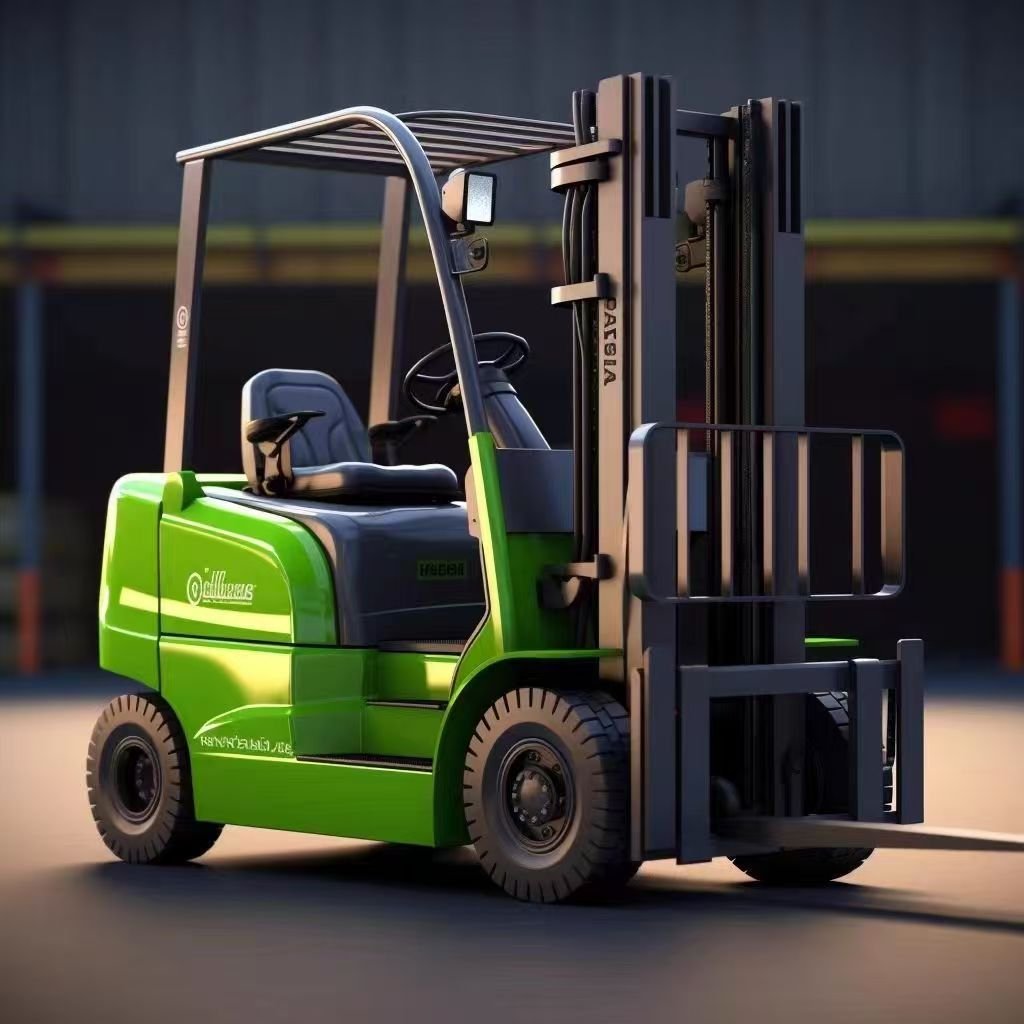
New Energy Electric Forklifts vs. Gas Forklifts: 5 Key Parameters and Cost Comparison for Procurement Decisions
In B2B procurement, choosing between new energy electric forklifts and gas forklifts directly affects operating costs and environmental compliance. This article directly compares the differences between the two types of forklifts in terms of total cost of ownership, performance, maintenance, environmental friendliness, and scenario suitability, and provides five key procurement parameters to help you make data-driven decisions. According to industry data, electric forklifts can save 25%-35% of total costs over a 5-year cycle, making them particularly suitable for indoor and cold chain scenarios.
1. Total Cost of Ownership (TCO) Comparison: Electric forklifts are more economical in the long run.
In terms of procurement costs, the initial price of gas forklifts is usually 10%-20% lower than that of electric forklifts, but the operating costs differ significantly. Taking a 2-ton forklift as an example, the electricity cost of an electric forklift is about $1.5-$2.5 per hour, while the fuel cost of a gas forklift is about $4-$6 per hour. Based on 2,000 hours per year, the annual energy cost for electric forklifts is $3,000-5,000, while for gas-powered forklifts it is $8,000-12,000. In terms of maintenance, electric forklifts do not have components such as an engine or transmission, and the annual maintenance cost is about $500-800, while gas forklifts are about $1200-2,000. Electric forklifts can save 25%-35% in total ownership costs over 5 years.
2. Performance parameters: Power, range, and operating condition adaptation
Gas-powered forklifts deliver stable power output under heavy-duty and continuous operation scenarios, making them suitable for outdoor and rugged terrain. New energy electric forklifts use lithium batteries, which have fast torque response and impressive hill climbing capabilities, but their range is limited by battery capacity. Key parameters include: battery capacity (kWh), charging time, and battery life hours. For example, an 80V/400Ah lithium battery can support 6-8 hours of continuous operation, and a fast charge of 1-2 hours can reach 80%. Daily operating hours and charging facilities need to be assessed during procurement. For multi-shift scenarios, it is recommended to choose a dual battery pack or fast charging solution.
3. Maintenance and reliability: Electric forklifts have a simple structure and a low failure rate.
Electric forklifts have few moving parts and no need to replace spark plugs, engine oil, filters, etc. Routine maintenance only requires checking the battery and motor. Gas forklifts require regular oil changes, filters, and exhaust system treatment. Data shows that the average time between failures (MTBF) of electric forklifts is more than 30% higher than that of gas forklifts. However, the battery life of electric forklifts is typically 5-7 years, and the replacement cost is about $3,000-5,000, which needs to be factored into the long-term budget.
4. Environmental protection and compliance: Electric forklifts emit zero emissions and meet indoor standards.
Gas-powered forklifts emit carbon monoxide and nitrogen oxides and are not suitable for closed warehouses or the food and pharmaceutical industry. New energy electric forklifts have zero emissions and low noise, meeting indoor air quality standards. With the tightening of carbon emission reduction policies, electric forklifts have a greater advantage in environmental compliance. Local emission regulations must be confirmed when purchasing to avoid future retrofit costs.
5. Application Scenarios and Selection Recommendations
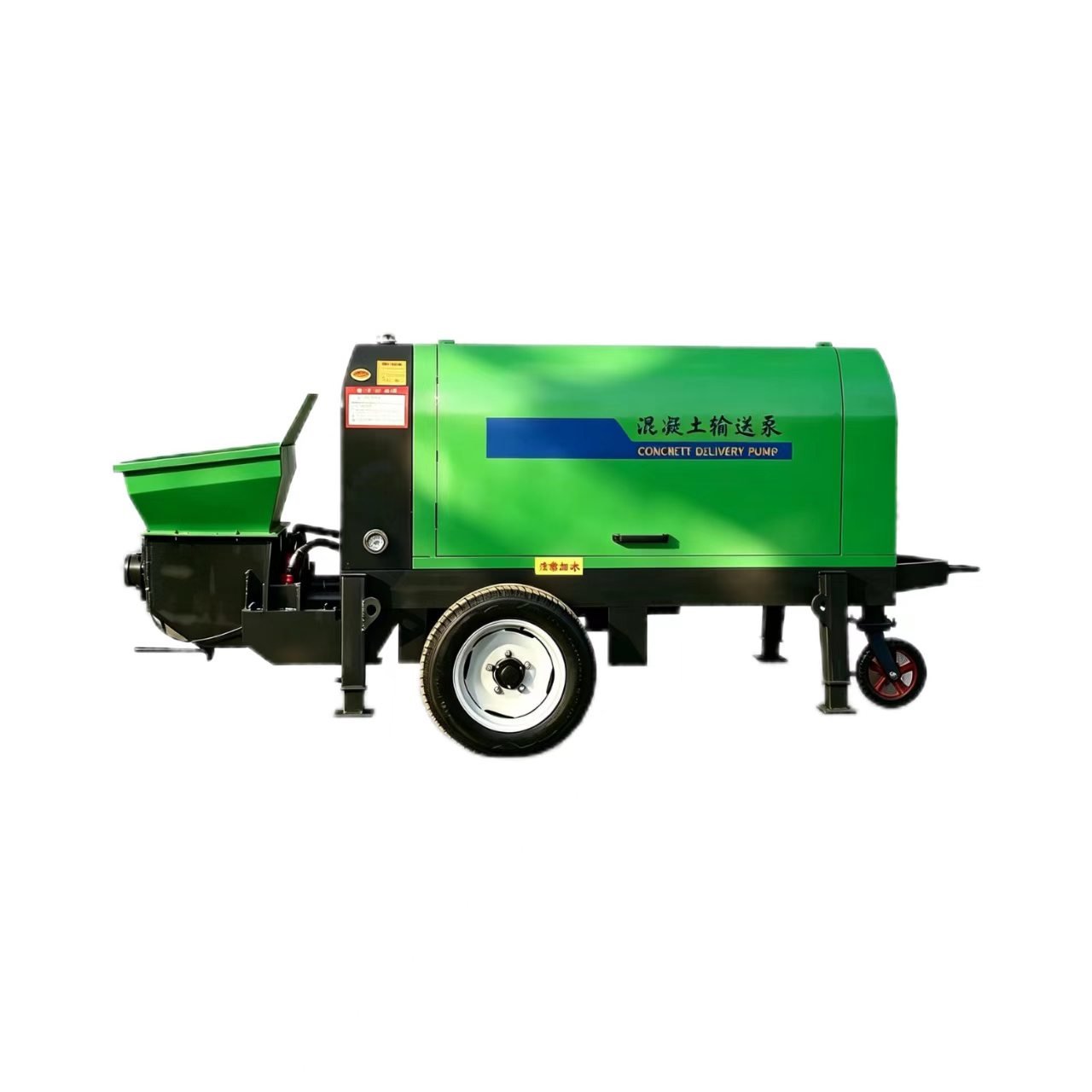
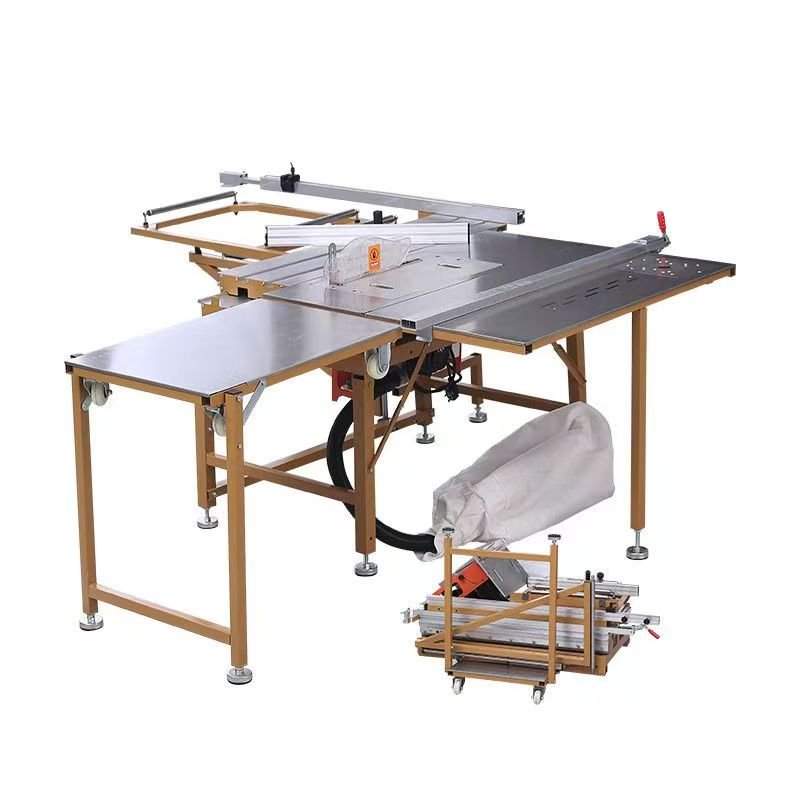
Electric forklifts are given priority in the indoor warehousing, cold chain, and food and beverage industries; Gas forklifts can be considered for outdoor ports, construction sites, and heavy-duty continuous operations. If you need both material handling and site cleaning, please pay attention to... New energy electric forklift with Mini excavator (excavator + rotary tiller integrated machine) A combination of solutions. For wood processing scenarios, Woodworking band saw machine When paired with an electric forklift, it can improve overall efficiency.
sum up
New energy electric forklifts have significant advantages in terms of total cost of ownership, maintenance, and environmental protection, making them suitable for most indoor and hybrid scenarios. Gas-powered forklifts still have value in heavy-duty outdoor applications. Five key parameters were evaluated during procurement: TCO, battery range, maintenance costs, emissions compliance, and operating condition adaptation. It is recommended to request the supplier's TCO analysis report and refer to it. Precision folding sliding table saw The technical parameters of the equipment, etc., ensure that the overall solution matches.