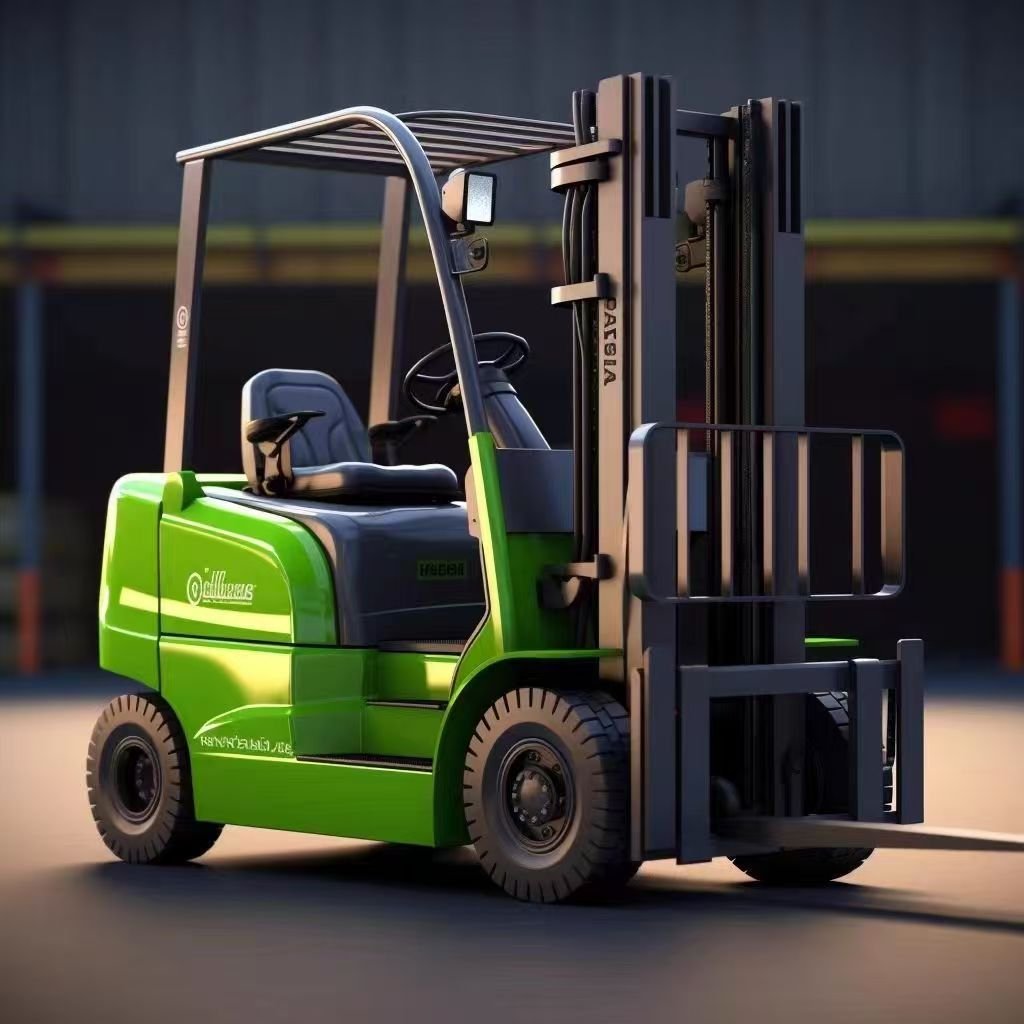
New Energy Electric Forklift Speed Regulation: 5 Key Parameters to Pay Attention to in Procurement
When purchasing new energy electric forklifts, speed regulation performance is one of the core factors affecting operational efficiency and safety. Many buyers only focus on load capacity and battery capacity, but neglect the smoothness of speed regulation, response time, and low-speed torque performance, making it difficult for the equipment to meet the needs in real-world operating conditions. This article will focus on new energy electric forklift speed adjustment We provide you with a practical procurement guide from the perspectives of technical parameters, selection points, application scenarios, and cost budget.
1. Core technical parameters of speed regulation
The speed regulation of new energy electric forklifts mainly relies on the motor controller and drive system. The following parameters should be paid close attention to when purchasing:
- Speed regulation range Typically, the driving speed is 8-15 km/h, and the lifting speed is 0.2-0.5 m/s. The wide speed regulation range can adapt to delicate operations inside the warehouse and rapid outdoor transportation.
- speed regulation mode Continuously variable speed regulation (such as Hall throttle) is superior to stepped speed regulation, which can achieve smooth acceleration and deceleration and reduce cargo shaking.
- Response time The delay from the throttle signal to the motor output should be less than 0.2 seconds in an excellent system to ensure precise control.
- low speed torque When climbing hills or starting under heavy load, low-speed, high-torque characteristics are crucial, generally requiring more than 1.5 times the rated torque.
- regenerative braking strength Adjustable regenerative braking recovers energy and assists deceleration; the wider the adjustment range, the stronger the adaptability.
It is recommended to specify these parameters in the procurement contract and require suppliers to provide third-party test reports. For more forklift product information, please visit Product Center 。
2. Key points for selection: How to match operating conditions requirements
The requirements for speed adjustment vary significantly across different application scenarios:
- warehousing and logistics It focuses on low-speed micro-maneuverability and precise positioning, with a recommended speed range of 0-10 km/h and high resolution in the low-speed segment.
- Port terminal It requires high driving speeds (12-15 km/h) and rapid response, while also having the ability to climb heavy loads.
- cold chain environment Battery performance degrades at low temperatures, so it is necessary to ensure that the speed control system can still operate stably at -20℃ and has a battery heating function.
- explosion-proof area The speed control system must meet explosion-proof certification to avoid electrical sparks.
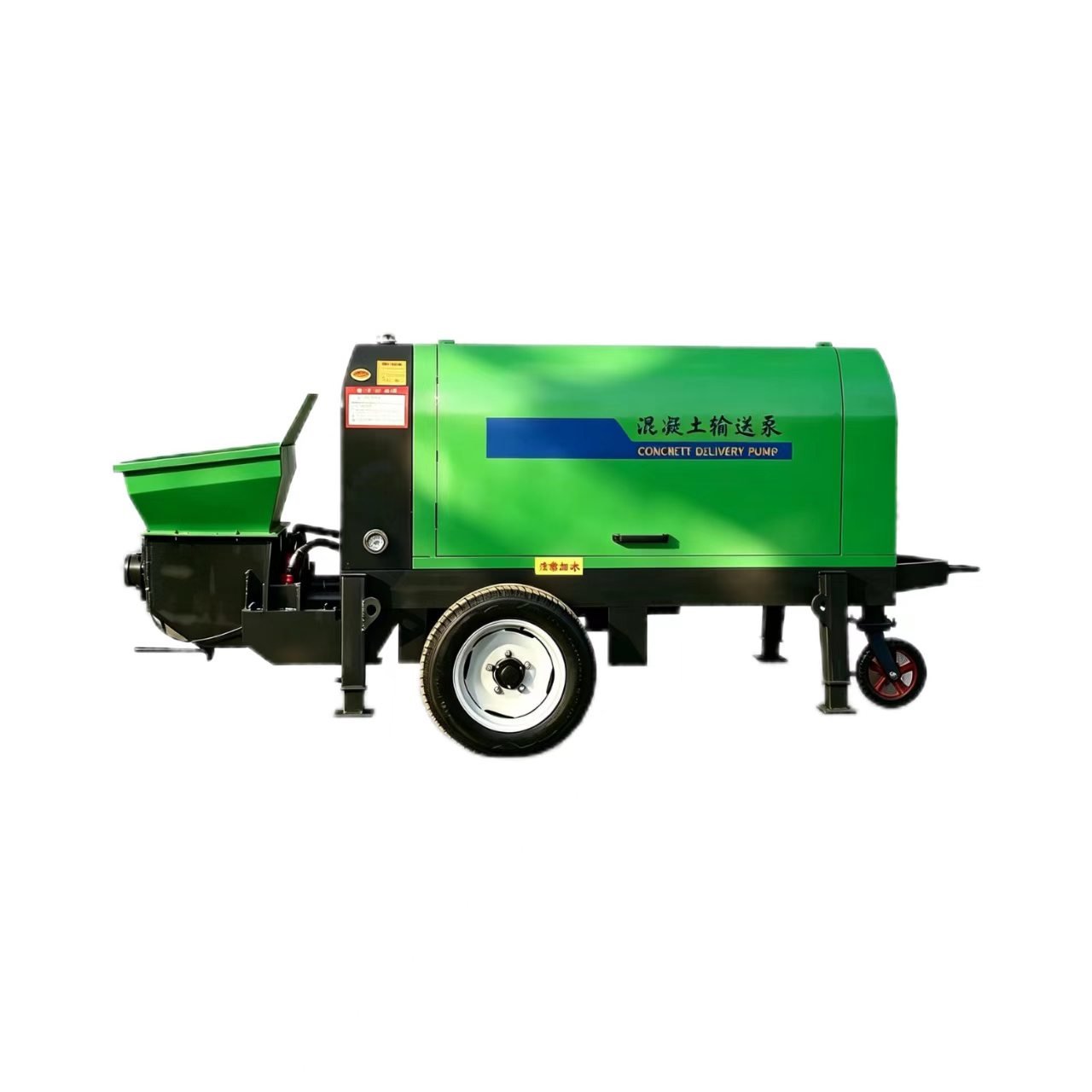
Before purchasing, the operation intensity, channel width, slope, etc. should be evaluated in detail, and a programmable controller should be selected so that the speed curve can be adjusted later. If you also need concrete pumps and other equipment, you can refer to... concrete delivery pump page.
3. Practical suggestions for application scenarios and speed adjustment
In practical use, the smoothness of speed regulation directly affects safety and efficiency. For example, within a narrow passage, excessively rapid acceleration may result in a collision; When transporting over long distances, too slow speeds reduce efficiency. Recommendations:
- Set up multiple driving modes: for example, "Economy Mode" limits the maximum speed, while "Power Mode" provides full-speed response.
- Use regenerative braking to regulate: recover energy when going downhill or decelerating, extending driving range.
- Calibrate the accelerator pedal regularly: Avoid signal drift that could lead to speed control misalignment.
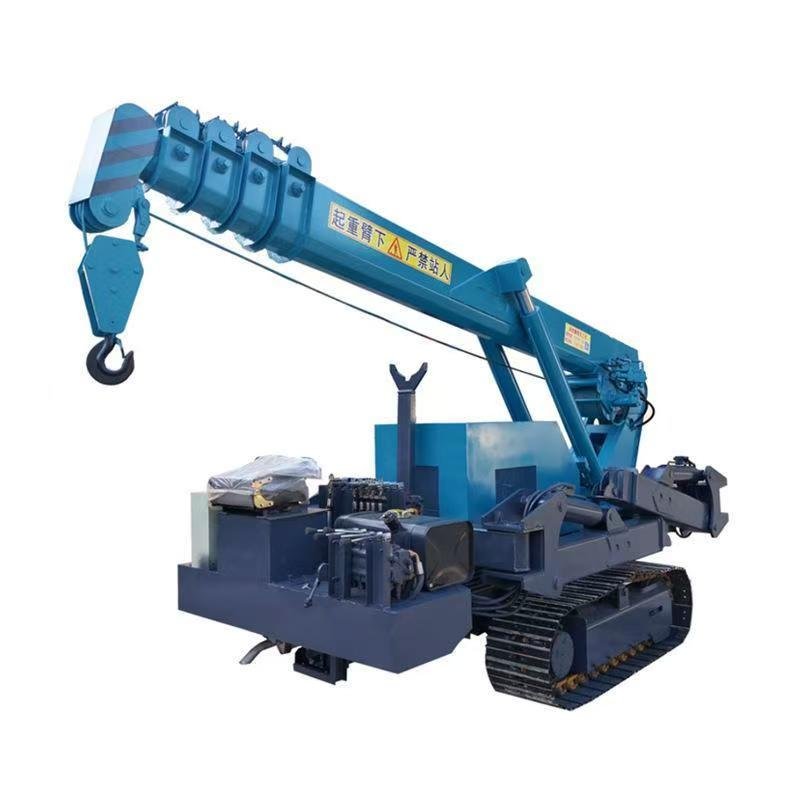
For situations where frequent starts and stops are required, choosing a model with hill assist can prevent the vehicle from rolling over. In addition, equipment such as spider cranes also involve similar fine controls, which can be viewed. spider crane Get more information.
4. Cost and Budget References
The configuration level of the speed regulation system directly affects the procurement cost. Taking a 2-3 ton new energy electric forklift as an example:
- basic configuration It has step-by-step speed control and no regenerative braking, and is priced at approximately 150,000-200,000 yuan.
- Standard configuration It features continuously variable speed and adjustable regenerative braking, priced between 200,000 and 280,000 yuan.
- high-end configuration It features a fully programmable controller, multi-mode driving, and hill assist, priced between 280,000 and 350,000 yuan.
It is recommended to choose according to actual needs and avoid over-configuration. At the same time, consider the response speed of after-sales service, because speed control system failure may affect the entire operation process.
5. Common Traps and Verification Methods
The following issues need to be considered during procurement:
- The nominal speed regulation range is wide, but the actual torque at low speeds is insufficient, making it difficult to start under heavy load.
- The response time is falsely labeled, and the actual delay exceeds 0.5 seconds, affecting control accuracy.
- The regenerative braking strength is not adjustable, which can easily lead to slippage on wet and slippery roads.
Verification method: On-site test drive is required to simulate actual operating conditions (such as fully loaded hill climbing and narrow lane steering), and the controller brand and model are checked. Well-known brands such as Curtis and Zapi usually have more stable performance.
sum up
Speed regulation of new energy electric forklifts is a key aspect in procurement decisions. By paying attention to parameters such as speed regulation range, response time, and low-speed torque, and selecting models based on actual operating conditions, operational efficiency and safety can be significantly improved. It is recommended to communicate fully with suppliers, obtain technical information, and arrange test drives to ensure that the equipment meets long-term needs. For more information on our products, please visit Product Center 。