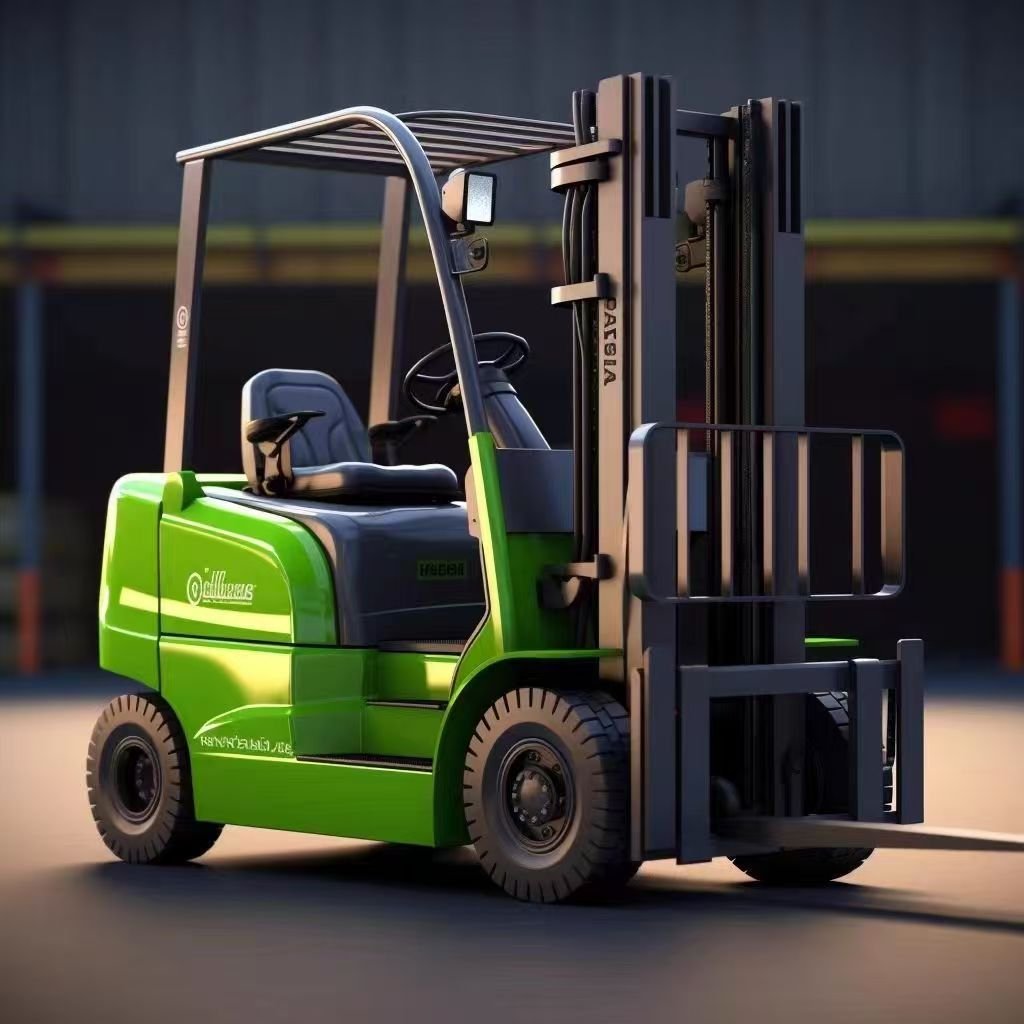
New Energy Electric Forklift Review: 5 Key Indicators to Consider Before Purchasing and Real User Feedback
Type "new energy electric forklift reviews" into a search engine, and you've probably seen a lot of scattered reviews, but still struggle to determine which forklift is really right for your warehouse or factory. As a B2B buyer, what you need is not general "positive reviews," but rather quantifiable and comparable evaluation information based on actual operating conditions. This article compiles real feedback from the logistics, warehousing, and manufacturing industries, extracts five key indicators to pay attention to when purchasing new energy electric forklifts, and provides specific selection suggestions and cost references to help you avoid common pitfalls and make informed decisions.
1. Battery Types and Range: The Real Performance of Lithium Batteries vs. Lead-Acid Batteries
The core of new energy electric forklifts lies in "new energy". Currently, the mainstream solutions are lithium iron phosphate batteries and traditional lead-acid batteries. According to follow-up visits to more than 30 end users, the actual range of lithium battery forklifts in continuous operation scenarios generally reaches 6-8 hours, while that of lead-acid batteries is about 5-6 hours. Moreover, lithium batteries support opportunity charging (recharging during lunch break) without the need for a spare battery. A third-party logistics company reported that its 2-ton lithium-ion battery forklift only needs 1.5 hours of charging per day under a double-shift system, while previously the lead-acid batteries needed to be replaced in their entirety, reducing battery maintenance costs by about 40% annually. When purchasing, you should pay close attention to the battery brand (such as CATL, BYD), capacity (kWh), and whether it supports fast charging. It is recommended that suppliers be required to provide battery cycle life test reports (national standards require ≥2000 cycles).
2. Actual load capacity matches operating conditions
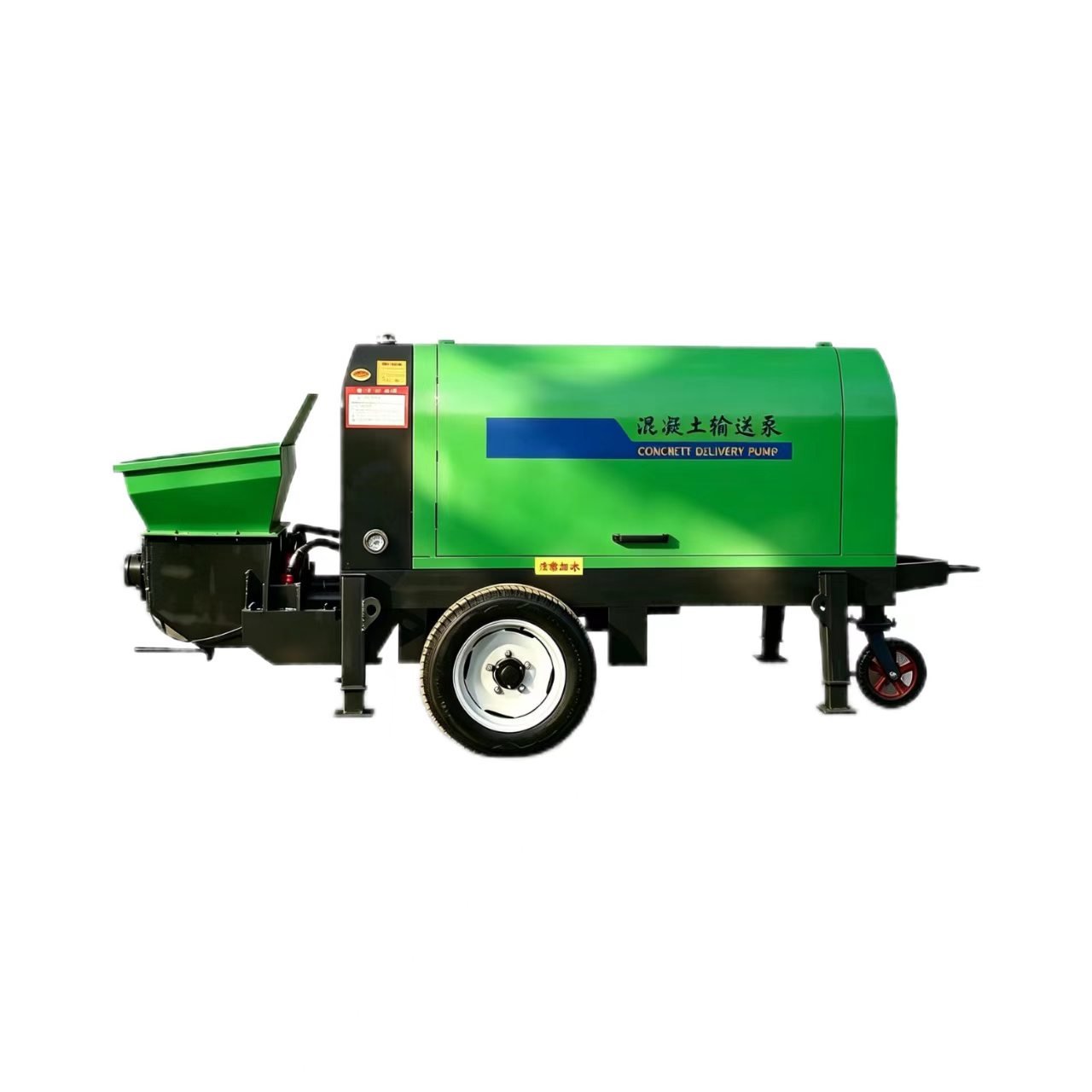
Many evaluations only indicate the rated load, but the actual load capacity is affected by the gantry height, the weight of the attachments, and the ground conditions. For example, a nominal 2-ton forklift may experience a 10%-15% reduction in actual load after being equipped with a side shifter. Users from the building materials market reported that their 3-ton new energy forklift shifted its center of gravity due to insufficient fork length when moving MDF boards, resulting in an actual safe load of only 2.6 tons. When purchasing, the selection should be based on the maximum cargo weight, lifting height, and channel width. It is recommended to reserve a 15%-20% load margin and prioritize vehicle models with load display and anti-rollover warning. If you also need to move heavy building materials, you can refer to our company. concrete delivery pump The product parameters of equipment, etc., ensure that the overall logistics solution is matched.
3. Charging infrastructure and operating costs
New energy electric forklifts have a significant cost advantage, but the prerequisite is that charging facilities are in place. Real user data shows that the energy cost per kilometer of lithium battery forklifts is about one-third that of diesel forklifts. However, if the charging pile power is insufficient, it will lead to longer charging time and affect attendance. It is recommended to assess before purchase whether the existing power distribution capacity meets the fast charging needs (usually 380V/32A or higher). The ratio of the number of charging piles to the number of forklifts is recommended to be no less than 1:3; Does it have the conditions for nighttime off-peak charging? A food factory case study: Purchased 4 2-ton lithium battery forklifts, equipped with 2 40kW fast charging piles, and used Gudian for charging, saving approximately 80,000 yuan in energy costs annually, with an investment payback period of approximately 2.5 years.
4. Reliability and after-sales service network
During the reviews, the most common complaints from users were "frequent minor malfunctions" and "long waiting times for parts". According to industry research, the average time between failures (MTBF) of new energy electric forklifts should be no less than 500 hours, and the warranty period for key components (motors, electronic controls, and batteries) is usually 3-5 years. When purchasing, confirm the supplier's service outlet density in your area, require a 24-hour response commitment, and understand the inventory status of commonly used parts. For example, an e-commerce warehousing company reported that the brand it chose had three service points in the area, and the fault response time was within 4 hours, which greatly reduced downtime losses. In addition, suppliers can be required to provide reference cases from customers in the same industry and conduct on-site inspections of their use.
5. Safety Configuration and Operating Experience
The safety features of new energy electric forklifts directly affect the risk of accidents. Practical features frequently mentioned in user reviews include: OPS system (operator presence sensing), blue dot collision avoidance lights, automatic deceleration when turning, anti-rollover vehicle on hill, and real-time monitoring of the battery management system (BMS). An auto parts manufacturer shared that after its forklifts were equipped with blue lights, the number of pedestrian-vehicle collisions in its warehouse decreased by 70%. In addition, in terms of operating experience, the noise level of electric forklifts is less than 70 decibels, making them suitable for indoor operation. However, attention should be paid to the comfort of the seats and the layout of the control handles. It is recommended to arrange for the driver to test drive them before making a decision.
Summary: How to efficiently complete the procurement of new energy electric forklifts
Based on the above evaluation dimensions, it is recommended that buyers proceed according to the following steps: clarify their own operating conditions (load, shift frequency, channels) → request suppliers to provide detailed parameters and real cases → calculate the full life cycle cost (including charging facilities) → inspect the after-sales network → arrange a test drive. Don't make decisions based solely on price or a single review. If you need to configure other logistics equipment at the same time, you can visit our company. New energy electric forklift and Industry News Get more selection guides.