Micro excavator dealers in 2026: Who is suitable for entry? In-depth analysis of B2B procurement and channel strategies
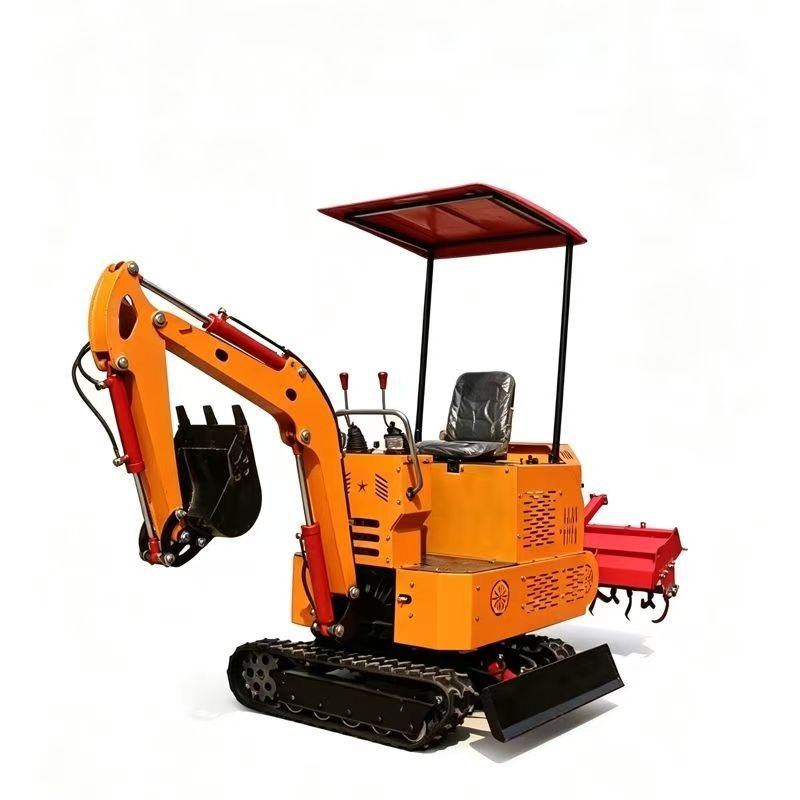
As global infrastructure, agriculture and urban micro-renovation projects continue to heat up, micro-excavators (usually referred to as 1-6 tons) are transforming from "niche equipment" to just-needed products in the field of construction machinery. For B2B buyers and channel dealers, whether they should become a micro excavator dealer in 2026 has become a strategic issue worth pondering. This article will provide a practical guide for B2B decision makers from four dimensions: technology trends, application scenarios, selection logic and channel access conditions. If you are looking for a reliable equipment supply partner, visit ourproduct CenterUnderstand the configuration of mainstream models.
1. Technological evolution of micro excavators: key highlights in 2026
Micro excavators in 2026 are no longer simply "scaled-down" large equipment. Three major technology trends are reshaping product competitiveness:
- Motorization and zero emissions: The cost of lithium battery technology has dropped by about 18% compared with 2023, making electric micro excavators economical for indoor demolition, tunnel work and urban night construction. Battery life generally reaches 6-8 hours, and fast charging can restore 80% of the power in 1.5 hours.
- Intelligent hydraulics and precise control: The load-sensitive system has become standard, and the flow control accuracy has been increased to ±3%. With electronic fencing and automatic idle functions, fuel consumption has been reduced by 12%-15%.
- Quick change and ecological features: In 2026, mainstream models support switching of crushing hammers, rotary drills, thumb clamps and other accessories within 30 seconds. One equipment can cover more than 8 working conditions, significantly improving the rental return rate.
For dealers, whether they can provide technical training and supporting solutions will directly determine customer stickiness. Suggest to pay attention to usindustry informationThe latest test report on attribute compatibility in.
2. Who is suitable to become a micro excavator dealer? Four types of candidate portraits
Not all construction machinery dealers are suitable for cutting into the micro excavator track. Based on the market characteristics in 2026, the following four types of enterprises have high success rates:
- Regional equipment leasing company: There is a rental network and maintenance team. Adding micro excavators can increase the value of single customers. Data shows that leasing companies also work as distributors, and their customer conversion rate is 40% higher than that of pure distributors.
- Agricultural machinery dealers: Micro excavators highly overlap with agricultural machinery channels in scenarios such as farmland water conservancy, orchard ditching, and greenhouse cleaning. Sales of micro excavators in the agricultural sector will increase by 27% year-on-year in 2025.
- Municipal and landscape contractors: You have your own equipment purchase needs and can resell it to your peers. Such dealers have a deep understanding of working conditions and can provide selection suggestions.
- Cross-border e-commerce and foreign trade service providers: Provide one-stop export solutions for overseas small and medium-sized leasing companies. There will be strong market demand in Southeast Asia and the Middle East in 2026, but attention should be paid to CE/EPA emission certification.
On the contrary, pure traders who lack after-sales capabilities and rely on low prices will face reduced profits. The average gross profit margin of micro excavator dealers in 2026 will be approximately 18%-22%, but the proportion of after-sales revenue can increase to 35%.
Third, the selection proposal: B2B buyers how to evaluate the micro excavator
As a distributor, choosing the right product line is half the battle. Here are five core indicators for procurement assessment in 2026:
- Tonnage and size: 1-2 tons are suitable for indoor and landscape projects; 3-4 tons are general-purpose, accounting for about 55%; 5-6 tons are suitable for heavy-duty municipal projects. It is recommended to give priority to the two gold tonnages of 3 tons and 5 tons.
- Power type: Diesel models still account for 70% of the market share, but electric models have grown by 45% in enclosed spaces and environmentally sensitive areas. Dealers should stock at least one electric model.
- Hydraulic system brand: First-line hydraulic parts such as Bosch Rexroth, Kawasaki, and Eaton can increase the second-hand residual value by more than 15%, and are also a common concern of B2B customers when making inquiries.
- Attachment interface standards: Confirm whether a universal quick-change interface (such as Lehnhoff, Geith) is used to avoid restrictions on customers' subsequent purchase of accessories.
- Certification and Compliance: Exports to Europe require CE certification, the United States requires EPA Final Tier 4, and China requires National IV emissions. Lack of certification will prevent entry into the mainstream market.
We recommend that dealers invest 70% of their budget in mature diesel models and 30% in testing electric models during the first batch of purchases to balance risks and growth opportunities. For more product specifications, please refer toProduct CenterDetailed parameter list.
4. Channel Strategy and Risk Control
In 2026, mini excavator distribution will no longer be a simple model of “getting goods and selling goods”. Successful dealers generally use the following strategies:
- Lease + Sale Two Wheel Drive: Rental promotion, the purchase conversion rate after customers try it can reach 25%.
- Attachments and service packages bundled: Package breakers, quick-change connectors, and extended warranty services to increase unit price by more than 30%.
- Digital inventory management: Use IoT to remotely monitor equipment status, provide early warning of maintenance needs, and reduce after-sales costs by 20%.
- Regional exclusive agency rights: Strive for regional protection of manufacturers and avoid price wars with the same brand. In 2026, mainstream manufacturers will tend to adopt the "one county, one agent" model.
In terms of risks, we need to be wary of exchange rate fluctuations (the cost of imported models affects about 8%-12%) and inventory depreciation caused by the upgrade of emission regulations. It is recommended to maintain an inventory turnover cycle of no more than 3 months.
Summary
Opportunities for mini excavator dealers in 2026 belong to B2B companies that have after-sales capabilities, understand working conditions, and can provide attachments and financial solutions. Leasing companies, agricultural machinery dealers, engineering contractors and foreign trade service providers are the best candidates. When selecting models, we should focus on the golden tonnage of 3 tons and 5 tons, take into account the electrification trend, and give priority to the first-line brands of hydraulic parts. The channel strategy needs to shift from simply selling equipment to a comprehensive solution of "equipment + service + accessories". If you would like to further evaluate whether your conditions are suitable for becoming a dealer, please contact usIndustry informationGet the latest market data and interpretation of manufacturer policies.