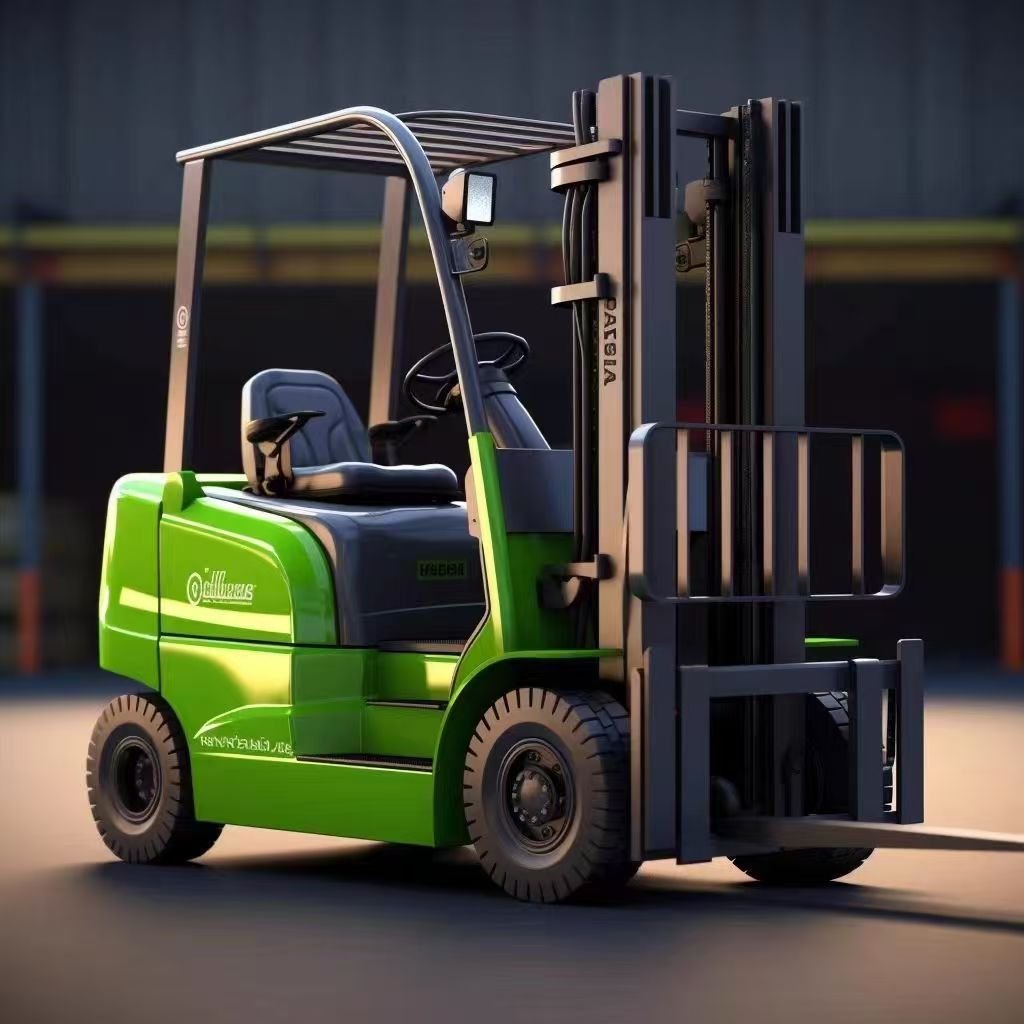
How to start a new energy electric forklift? Guide to start-up process and key parameters that must be read before procurement
For B2B buyers planning to purchase new energy electric forklifts, understanding the equipment startup process is not only the foundation of daily operation, but also an important part of evaluating the equipment's ease of use, safety, and training costs. Unlike internal combustion forklifts, the startup of new energy electric forklifts involves a battery management system (BMS), motor controller, and high-voltage safety logic, and the operation sequence is strictly regulated. This article will focus on the core question of "how to start a new energy electric forklift," breaking down the startup steps, selection points, application scenarios, and budget references in detail to help you make more informed purchasing decisions.
Detailed explanation of starting steps for new energy electric forklifts
Properly starting a new energy electric forklift typically involves five standard steps. Different brands may have slight differences in details, but the core logic remains the same:
- Step 1: Check around the vehicle —Confirm that the charging port is disconnected, the fork is unloaded, and there are no abnormalities in the tires and vehicle body. This is a prerequisite for safe startup.
- Step 2: Insert the key or swipe/fingerprint recognition —New energy electric forklifts are usually equipped with smart key systems or RFID card swiping, and some high-end models support fingerprint unlocking. After turning the key to the "ON" position or swiping the card, the instrument panel will perform a self-test.
- Step 3: Wait for the BMS self-test to complete —The instrument panel will display battery level, voltage, temperature, and fault codes. The self-test usually takes 3-5 seconds, during which time do not press the accelerator pedal.
- Step 4: Release the parking brake and select the direction of travel — Switch the direction switch to forward or reverse gear and release the parking brake (some models have an electronic handbrake, so you need to press the release button).
- Step 5: Slowly press the accelerator pedal —After confirming that there are no obstacles around, gently press the pedal and the vehicle should start smoothly. If the vehicle is unresponsive, check if the seat occupancy sensor or emergency stop button has been reset.
It is worth noting that some new energy electric forklifts are equipped with a "start password" or "administrator mode". When purchasing, you should confirm whether the supplier provides complete operation training videos and Chinese manuals. If you need a more detailed equipment operation guide, you can visit our News Centre Get technical documentation.
5 key parameters that must be paid attention to when purchasing new energy electric forklifts
The smoothness of the startup process is directly related to the following parameters, which must be checked one by one during procurement:
- Battery Type and Capacity Lithium iron phosphate batteries are the mainstream choice, with a cycle life of 2000-4000 times. Capacity (kWh) determines battery life; typically, an 8-hour workday requires at least a 20kWh battery. If you also need other new energy equipment, please refer to our New Energy Electric Forklift Product Page 。
- Startup method Key activation, card swiping activation, fingerprint activation, or remote activation via mobile APP. For multi-shift working conditions, it is recommended to choose card or fingerprint swiping for easier access control.
- Motor power and hill climbing ability The torque output during startup affects full-load climbing performance. Common 1.5-3 ton vehicles have motor power of 5-15kW, and the hill climbing capacity needs to be ≥15%.
- BMS intelligent protection function Overvoltage, undervoltage, overtemperature, and short-circuit protection are standard features. When purchasing, inquire whether the BMS supports CAN bus communication for future integration into the fleet management system.
- Dashboard information richness After startup, the battery level, fault code, mileage, and maintenance reminders should be clearly displayed. LCD instruments are superior to LED indicators.
Typical application scenarios and start-up precautions for new energy electric forklifts
Different scenarios have different requirements for startup logic:
- cold storage environment Battery activity decreases at low temperatures. The battery needs to be preheated before starting or a model with a low-temperature heating function should be selected. After starting, drive at low speed for 5 minutes before loading.
- Dusty workshop Before starting, check the air filter to prevent dust from entering the motor controller and causing startup failure.
- Logistics and warehousing high-frequency operations It is recommended to choose a model that supports "quick start" mode to reduce self-inspection waiting time and improve turnover efficiency.
- Outdoor rainy day work Check the waterproof rating (IP54 or higher) before starting to avoid short circuits in the starting circuit due to moisture.
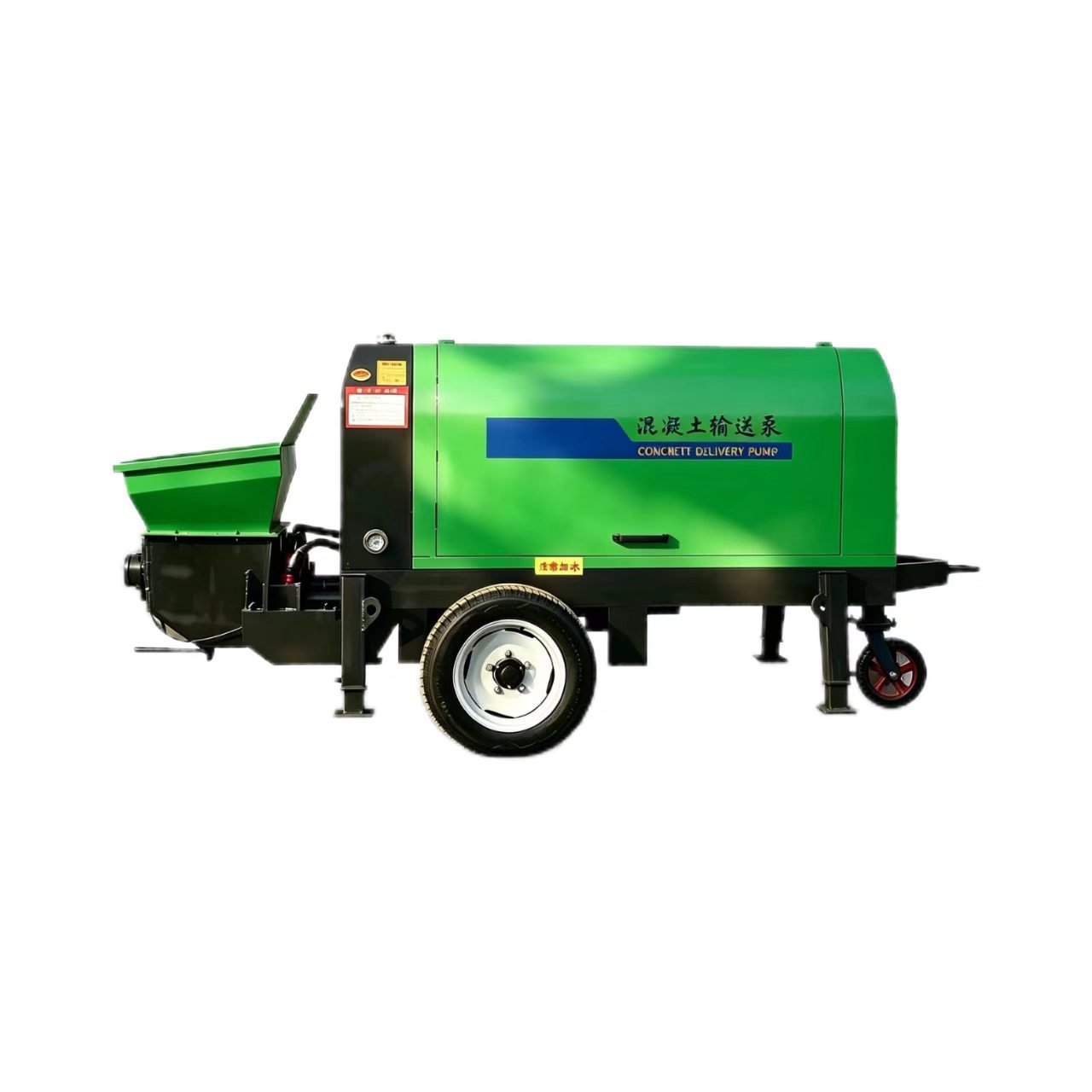
If you need equipment such as concrete pumps or mini excavators at the same time, with similar start-up logic but different safety specifications, it is recommended to train operators separately.
Cost vs. Budget Reference: The Value Behind Startup Ease
The procurement cost of new energy electric forklifts is typically 20%-30% higher than that of internal combustion forklifts of the same tonnage, but the ease of startup and low maintenance costs can make up for the price difference within 1-2 years. The following is a reference budget (taking the 1.5-2 ton model as an example):
- Basic model (key start, lead-acid battery) It costs approximately RMB 45,000-60,000, has a battery life of 4-5 hours, and is suitable for single-shift, light-load operation.
- Standard version (card swipe start, lithium iron phosphate battery) It costs approximately 70,000-90,000 RMB, has a battery life of 6-8 hours, supports opportunity charging, and is suitable for most warehousing scenarios.
- High-end model (fingerprint/APP launch, large-capacity lithium battery, intelligent BMS) It costs approximately RMB 100,000-140,000, has a range of 8-10 hours, supports fleet management, and is suitable for multi-shift, heavy-duty work conditions.
In addition, when purchasing, it is necessary to confirm whether the supplier provides start-up training, operating manuals, and warranty terms. Startup failures caused by improper operation may not be covered by the warranty.
sum up
The start-up process for new energy electric forklifts is not complicated, but the correct operating sequence and understanding of key parameters can significantly reduce failure rates and training costs. When purchasing, it is recommended to prioritize vehicles with flexible start-up methods, complete BMS functions, and clear instrument information, and require suppliers to provide on-site start-up demonstrations. If you have further needs for new energy electric forklifts or other products (such as precision folding table saws and woodworking band saws), please feel free to browse our... Product Center Alternatively, contact the sales team to obtain a customized