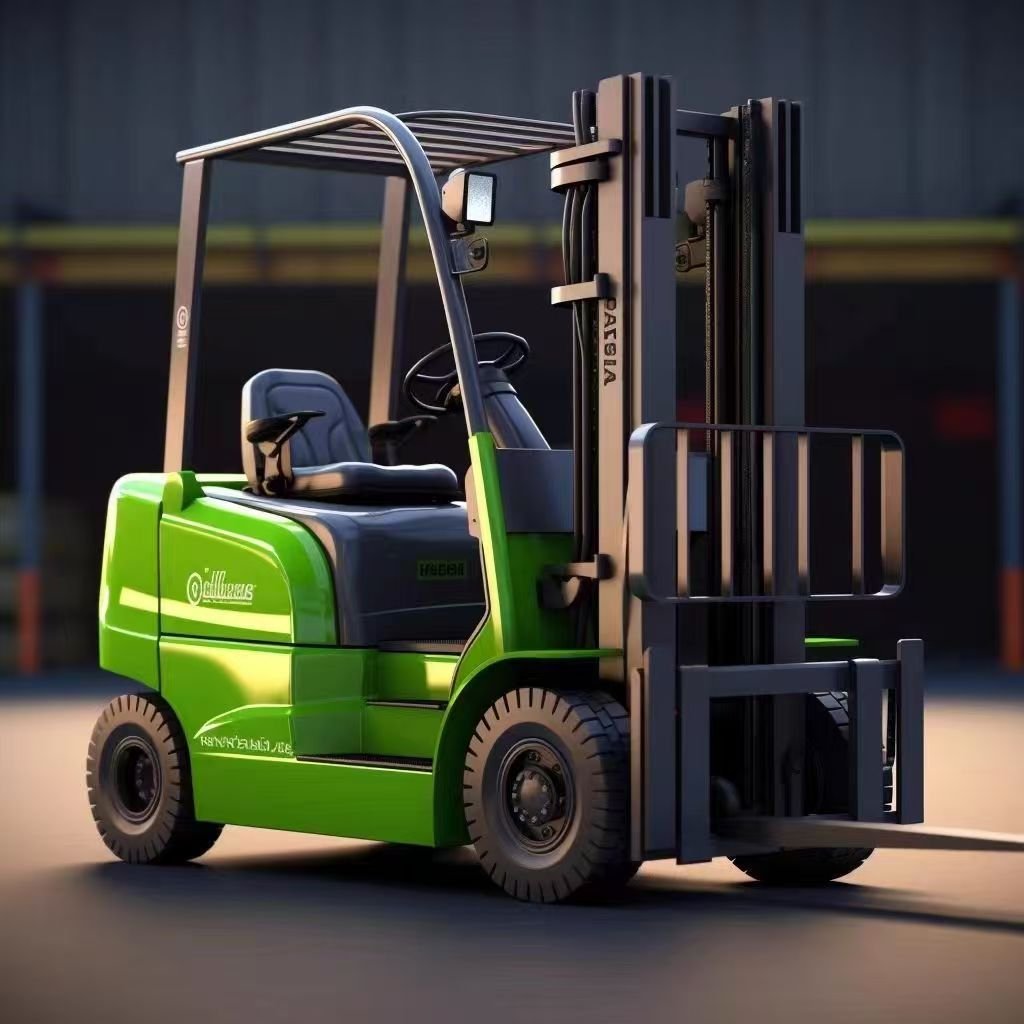
How to choose a new energy electric forklift? 5 Key Parameters and Procurement Guidelines
In today's industrial environment that emphasizes sustainable development, new energy electric forklifts have become the preferred choice for warehousing, logistics, and manufacturing companies. But with so many brands and models on the market, how do you choose the new energy electric forklift that best suits your business needs? This article will provide a detailed analysis of five key parameters from a procurement perspective and offer practical selection advice to help you make informed procurement decisions.
1. Define the work requirements and working environment.
The first step in choosing a new energy electric forklift is to clarify your operational needs. Consider the following factors:
- load capacity : Select the rated load based on the maximum weight of the goods handled on a daily basis. Common new energy electric forklifts have a load capacity range of 1.5 tons to 5 tons, and a 10%-20% margin needs to be reserved to cope with unexpected demands.
- lifting height : Determined based on the height of the warehouse shelves. Standard gantry frames typically have a lifting height of 3 meters. If a higher height is required, it can reach more than 6 meters, requiring a special gantry frame.
- Working environment Indoor operations require zero-emission electric forklifts; Off-road performance needs to be considered for outdoor or rough roads. New energy electric forklifts use lithium batteries and have no exhaust emissions, making them ideal for industries with high air quality requirements, such as food and pharmaceuticals.
- channel width Choose a compact or three-pivot forklift for narrow passages to ensure flexible steering.
For example, in New energy electric forklift In this application, cold chain logistics requires low-temperature resistant batteries, while the chemical industry requires explosion-proof designs. Clarifying these details can avoid selection errors.
2. Battery type and battery life
The core of new energy electric forklifts lies in the battery. Currently, lithium iron phosphate batteries are the mainstream choice, and their advantages include:
- Long cycle life It can reach 3000-5000 charge and discharge cycles, which is more than 3 times that of lead-acid batteries.
- fast charging Supports opportunity charging, can be fully charged in 1-2 hours, suitable for multi-shift operation.
- maintenance-free No need to add water or acid, reducing maintenance costs.
When purchasing, you should pay attention to battery capacity (kWh) and battery life. Typically, approximately 1.5-2 kWh of electricity is consumed per ton of load per hour. For example, a 2-ton forklift needs to be equipped with a battery of at least 12kWh to operate continuously for 4 hours. Additionally, confirm the charger specifications and charging times to ensure they match your work schedule.
3. Key performance parameters: speed, hill climb, and turning radius
These parameters directly affect job efficiency:
- driving speed Typically, the speed is 10-15 km/h; high-speed models can improve logistics turnover.
- climbing rate The full-load climbing rate should be no less than 15% to adapt to ramp operations.
- turning radius The smaller it is, the more flexible it is; a standard three-fulcrum forklift can have a turning radius as small as 1.6 meters.
It is recommended to test these performances against actual operating conditions or request detailed technical specifications from the supplier. For warehouses that require frequent turning, choosing a model with a smaller turning radius can significantly improve efficiency.
4. Safety features and user-friendly design
Safety is the top priority in procurement decisions. Modern new energy electric forklifts should be equipped with:
- OPS system The operator has a sensing system to prevent misoperation.
- anti-slip braking Ensure braking reliability on wet and slippery roads.
- LED lighting and warning lights Improve visibility in low-light environments.
- Comfortable seats and handling layout Reduce driver fatigue and improve productivity.
In addition, consider maintenance convenience, such as the accessibility of the battery compartment and the fault diagnosis interface. Choose a brand with a good after-sales network to ensure timely technical support.
5. Cost Analysis and Return on Investment
The initial procurement cost of new energy electric forklifts may be higher than that of internal combustion forklifts, but the total cost of ownership (TCO) is lower:
- Energy costs Electricity costs are about one-third that of diesel, which can save a lot of fuel costs every year.
- Maintenance costs Electric forklifts have a simple structure, long maintenance intervals, and an average annual maintenance cost that is 30%-50% lower than that of internal combustion forklifts.
- Policy subsidies Many regions offer purchase subsidies or tax incentives for new energy forklifts.
When calculating the return on investment, consider the number of hours worked per day, electricity prices, and maintenance costs. Typically, under moderate usage intensity, the incremental costs can be recovered in 2-3 years. Recommended reference New energy electric forklift Get detailed specifications on the product page and consult with suppliers for customized cost analysis.
sum up
When choosing a new energy electric forklift, it is necessary to comprehensively consider operational requirements, battery performance, key parameters, safety features, and cost-effectiveness. Through a detailed assessment of the five key parameters above, you will be able to select the most efficient, reliable, and economical new energy electric forklift for your business. It is recommended to conduct an on-site test drive before purchasing, and to refer to industry cases, such as Application of New Energy Electric Forklift in Cold Chain Logistics In order to make comprehensive decisions.