Best New Energy Electric Forklifts: 5 Key Parameters for B2B Buyers
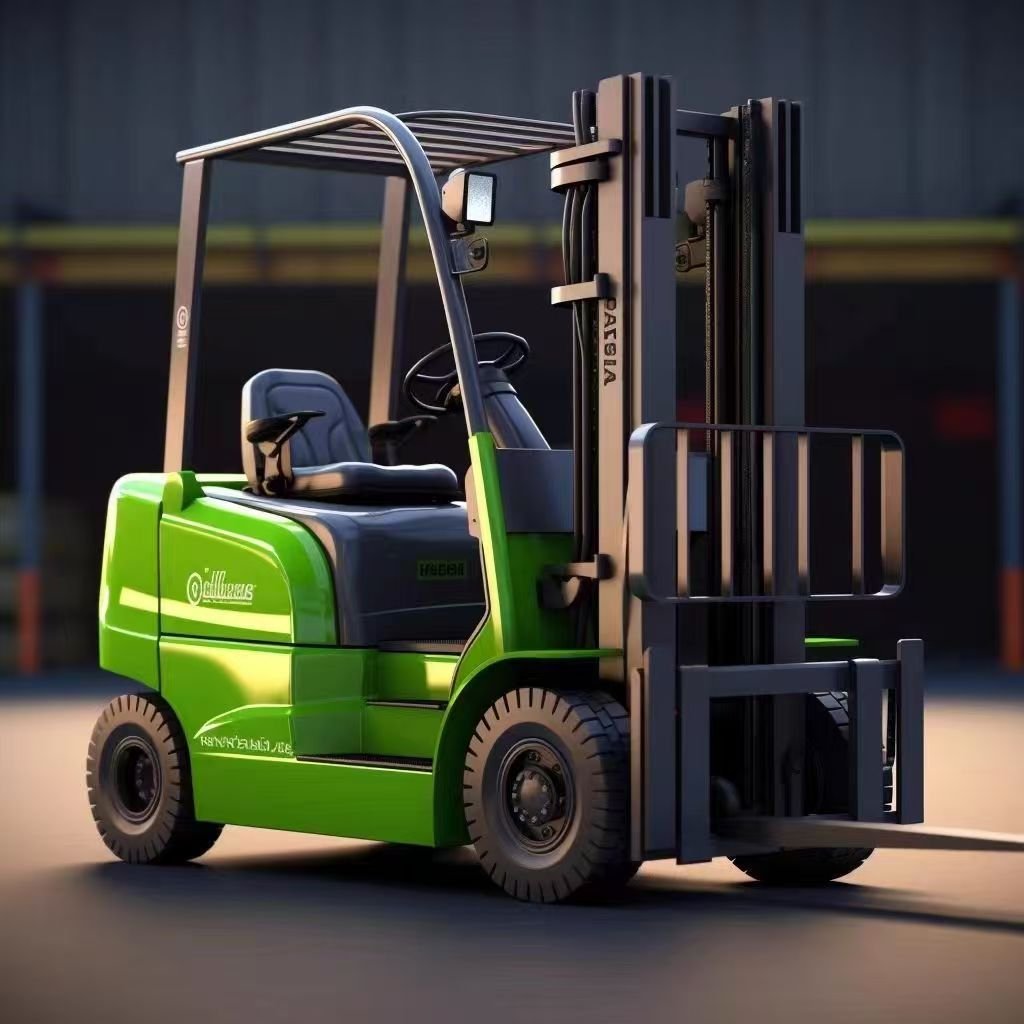
When searching for the best new energy electric forklifts, B2B buyers need to look beyond the sticker price. The global push for decarbonization and rising fuel costs have made electric forklifts a strategic investment, especially with the hydraulic hose market projected to expand through 2035 on the back of construction machinery demand (IndexBox). To ensure you select a forklift that delivers maximum uptime and lowest total cost of ownership, focus on these five critical parameters: battery capacity and chemistry, load capacity and lift height, energy efficiency and charging, safety and ergonomics, and total cost of ownership. This guide breaks down each factor with actionable data and procurement insights.
1. Battery Capacity and Chemistry: The Heart of New Energy Forklifts
The battery is the most defining component of a new energy electric forklift. Lithium-ion (Li-ion) batteries have become the industry standard for high-utilization operations, offering 2,000–3,000 charge cycles and up to 95% depth of discharge (DoD) without significant capacity loss. In contrast, traditional lead-acid batteries deliver only 1,200–1,500 cycles and should not be discharged below 50% to avoid damage.
For a single-shift operation (8 hours), a 48V/400Ah Li-ion battery typically suffices. For multi-shift use, consider a 80V/600Ah pack with opportunity charging capability. Key metrics to request from suppliers: energy density (Wh/kg), charge time (fast charge to 80% in 1–2 hours), and cycle life at 80% DoD. Ensure the battery management system (BMS) includes cell balancing and thermal management for safety.
When comparing models, ask for the new energy electric forklift specifications and verify the battery warranty (typically 5 years or 3,000 cycles).
2. Load Capacity and Lift Height: Matching Your Material Handling Needs
Load capacity and lift height directly determine the forklift's suitability for your warehouse or production floor. Standard electric forklifts range from 1.5 to 3.5 tons, with specialized models up to 5 tons. For most B2B applications—such as loading docks, racking systems, and container stuffing—a 2.0–2.5 ton capacity with a 3,000–4,500 mm lift height covers 80% of use cases.
Consider the load center: a 500 mm load center is standard, but if you handle wide loads, derating applies. For example, a 2.5-ton forklift at 600 mm load center may only safely lift 2.2 tons. Always request a load chart from the supplier. Lift height should account for your highest racking level plus 150–200 mm clearance. If you operate in containers or low-clearance areas, a three-stage mast with full-free lift is essential.
For operations that also require outdoor material handling, pair your forklift with a mini excavator for site preparation, ensuring a versatile fleet.
3. Energy Efficiency and Charging Infrastructure
Energy efficiency is a major cost driver. New energy electric forklifts consume 4–6 kWh per hour of operation, depending on load and terrain. Over a 2,000-hour annual workload, that translates to 8,000–12,000 kWh. At an industrial electricity rate of $0.12/kWh, annual energy cost is $960–$1,440—significantly lower than diesel (≈$6,000/year) or LPG (≈$4,500/year).
Charging strategy impacts productivity. Opportunity charging (plugging in during breaks) with Li-ion batteries eliminates the need for battery swapping. Ensure your facility has adequate charging stations: a 48V/100A charger can replenish a 400Ah battery from 20% to 80% in about 2.5 hours. For multi-shift operations, consider a 80V/200A fast charger. Also, check the charger's efficiency (≥92%) and compatibility with your local grid voltage.
If you operate a fleet, invest in energy management software to monitor charging patterns and avoid peak demand charges. Many suppliers now offer telematics as standard—request a demo to see real-time energy consumption data.
4. Safety and Ergonomics: Protecting Operators and Cargo
Safety features are non-negotiable in B2B environments. Look for: automatic parking brake, hill-hold assist, and regenerative braking. LED work lights, blue spot lights, and audible alarms enhance visibility. The operator compartment should offer a low step height (≤300 mm), adjustable steering column, and a suspended seat with lumbar support to reduce fatigue.
Advanced safety options include: pedestrian detection with automatic slowdown, load weight indicators, and fleet management systems that enforce speed limits. According to industry data, forklifts equipped with speed limiters reduce accident rates by up to 30%. Also, verify the forklift meets local standards such as ISO 3691 and CE certification.
Ergonomics affect productivity: a well-designed cockpit can improve operator throughput by 10–15%. Test-drive before purchase—most suppliers offer on-site demos.
5. Total Cost of Ownership: Beyond the Purchase Price
The purchase price of a new energy electric forklift ranges from $25,000 to $45,000 for 2–3 ton models, depending on battery capacity and brand. However, TCO analysis over 5 years reveals the true value. Consider these cost components:
- Energy: $1,000–$1,500/year (vs. $4,500–$6,000 for LPG/diesel)
- Maintenance: $500–$800/year (electric motors have fewer moving parts; no oil changes)
- Battery replacement: Li-ion batteries last 5–7 years; replacement cost ≈$8,000–$12,000
- Downtime: electric forklifts have 20–30% lower downtime than IC models
Over 5 years, a Li-ion electric forklift can save $15,000–$25,000 compared to a diesel equivalent. Financing options and government incentives for clean energy equipment can further improve ROI. For a detailed cost breakdown, refer to our procurement guide.
Summary
Selecting the best new energy electric forklifts requires a balanced evaluation of battery technology, load capacity, energy efficiency, safety, and TCO. Prioritize Li-ion batteries with high cycle life, match capacity and lift height to your application, plan charging infrastructure, insist on advanced safety features, and calculate TCO over at least five years. By focusing on these five parameters, B2B buyers can secure a forklift that not only meets operational demands but also delivers long-term savings and sustainability benefits.