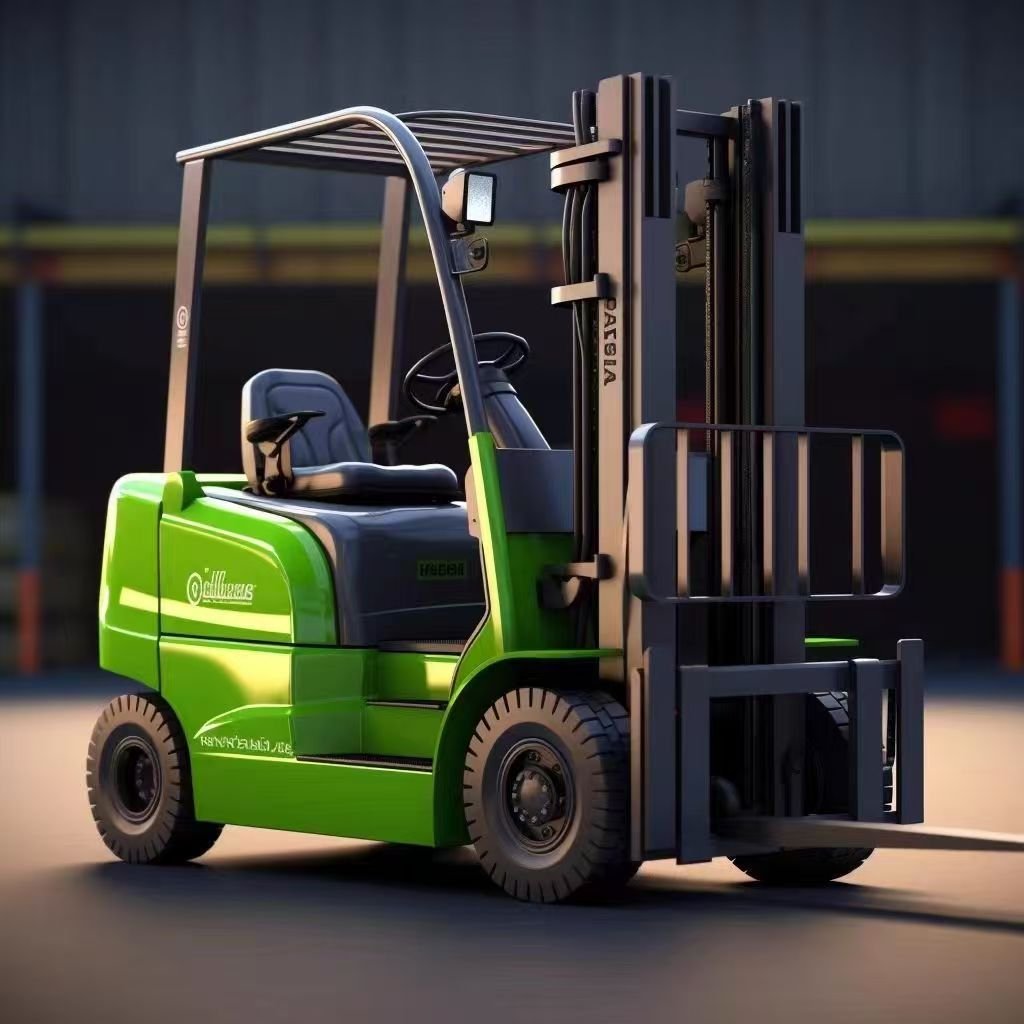
Best New Energy Electric Forklift for Sale: 2024 Buyer's Guide to Models, Specs & Pricing
If you're searching for the best new energy electric forklift for sale, you're likely weighing upfront cost against long-term savings, battery technology, and after-sales support. This guide cuts through the noise and gives you a practical framework to choose the right model for your warehouse or factory—without overpaying.
1. What Makes a Forklift 'New Energy'? Key Technologies Compared
New energy electric forklifts primarily use lithium-ion batteries instead of traditional lead-acid. Lithium-ion offers faster charging (1–2 hours vs. 8+ hours), longer cycle life (2,000–3,000 cycles), and zero maintenance for water topping. Some models also support opportunity charging during breaks, maximizing uptime.
- Lithium-ion vs. lead-acid: Lithium costs 20–30% more upfront but saves 40% on energy and eliminates battery replacement every 3–4 years.
- Charging infrastructure: Ensure your facility has the right voltage; most new energy models support 220V/380V fast charging.
- Regenerative braking: Recovers energy during deceleration, extending runtime by up to 15%.
2. Critical Specs to Match Your Application
Don't buy on price alone—match these parameters to your daily operation:
- Load capacity: 1.5–3.5 tons covers most warehouse and manufacturing needs. For heavy concrete or steel, consider 5-ton models.
- Lift height: Standard 3,000–4,500 mm; triple-stage mast for high-rack warehouses (up to 6,000 mm).
- Battery capacity (kWh): 48V/400Ah is typical for 8-hour shifts; calculate your energy consumption based on duty cycle.
- Turning radius: Narrow-aisle models (1.6–1.8 m) improve space utilization.
For operations that also handle outdoor or rough terrain, consider pairing your forklift fleet with a mini excavator for site preparation and material handling.
3. Cost & Budget Reference: What to Expect in 2024
Pricing for new energy electric forklifts varies by capacity and brand:
- 1.5–2.0 ton: $8,000–$12,000 (Chinese brands) to $18,000–$25,000 (European/Japanese brands).
- 2.5–3.5 ton: $12,000–$18,000 (Chinese) to $25,000–$35,000 (premium brands).
- Battery replacement: $2,500–$4,000 after 5–7 years, but lithium often lasts 8+ years.
Total cost of ownership (TCO) over 5 years is typically 30–40% lower than diesel/LPG forklifts due to fuel and maintenance savings. Request a TCO breakdown from suppliers.
4. Application Scenarios: Which Model Fits Your Industry?
Different industries demand different configurations:
- Warehousing & logistics: 2-ton, 3-stage mast, side-shift, and solid tires for smooth floors.
- Manufacturing: 3-ton with dual tires and high-capacity battery for 16-hour operations.
- Cold storage: Specialized lithium-ion batteries rated for -20°C, with heated cabins.
- Construction sites: Rough-terrain models with pneumatic tires; pair with a concrete delivery pump for efficient material placement.
5. Supplier Checklist: Avoid Common Pitfalls
Before you buy, verify:
- Certifications: CE, ISO, and local safety standards.
- Warranty: Minimum 2 years on battery and motor; 1 year on hydraulic components.
- After-sales: Local service network or remote diagnostics; spare parts availability within 48 hours.
- Test drive: Always request a video demo or on-site trial under load.
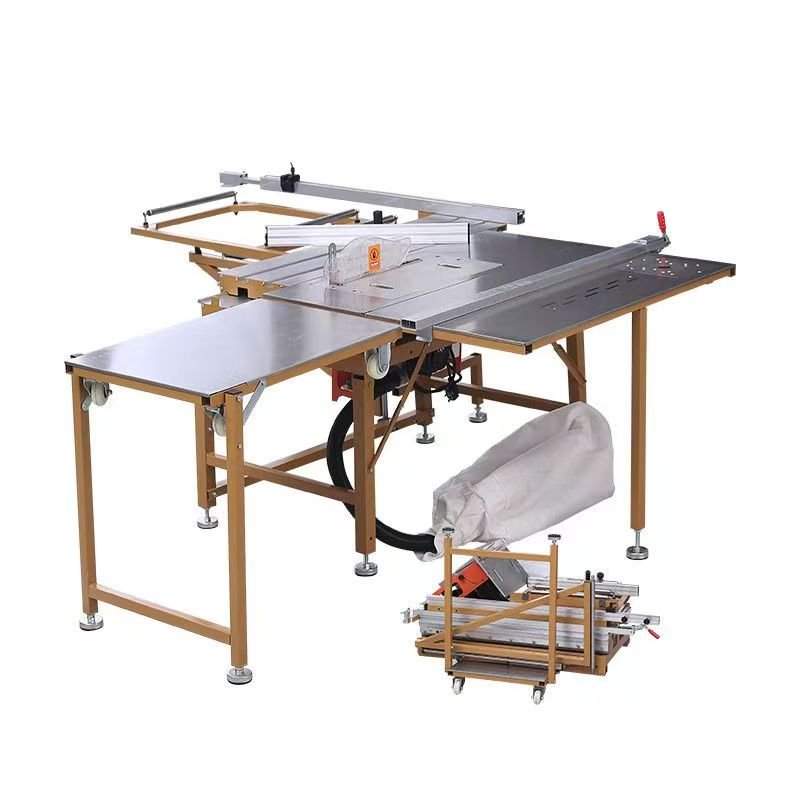
For woodworking operations needing both material handling and cutting, explore our precision folding sliding table saw to complete your equipment lineup.
Conclusion
The best new energy electric forklift for sale is the one that matches your load, lift height, and duty cycle—not just the lowest price. Focus on lithium-ion technology, verify supplier support, and calculate TCO over five years. With the right choice, you'll cut energy costs and downtime while boosting productivity.