In the field of woodworking machinery and engineering machinery, the scientific planning of workshop station is often neglected, but it directly determines the production efficiency, product quality and worker safety. Whether it is a custom workshop for making high-end musical instruments or a modern factory for mass production, a reasonable station design can significantly increase production capacity and reduce operational error rates. This paper will extract the general principles from the eight special workstations of musical instrument makers, and combine the selection suggestions of woodworking machinery and engineering machinery to provide a landing planning guide for workshop managers.
Core Logic of Workstation Planning: Functional Partitioning and Process Optimization
The foundation of an efficient workshop is clear functional zoning. Taking the musical instrument manufacturing workshop as an example, its workstations are usually divided into: material preparation area, roughing area, finishing area, assembly area, grinding area, painting area, quality inspection area and equipment maintenance area. Each station is equipped with specific tools and machinery to reduce material handling distances and process conflicts. For large woodworking machines (such as edge banding machines, multi-axis drilling machines) and construction machines (such as forklifts and lifting platforms), sufficient operating space and safe passage should be reserved in the workstation layout. A U-shaped or linear assembly line layout is recommended to minimize the workpiece flow path while ensuring separate operating areas and service spaces for each piece of equipment.
Key Station Design and Machine Selection
Material preparation and roughing station
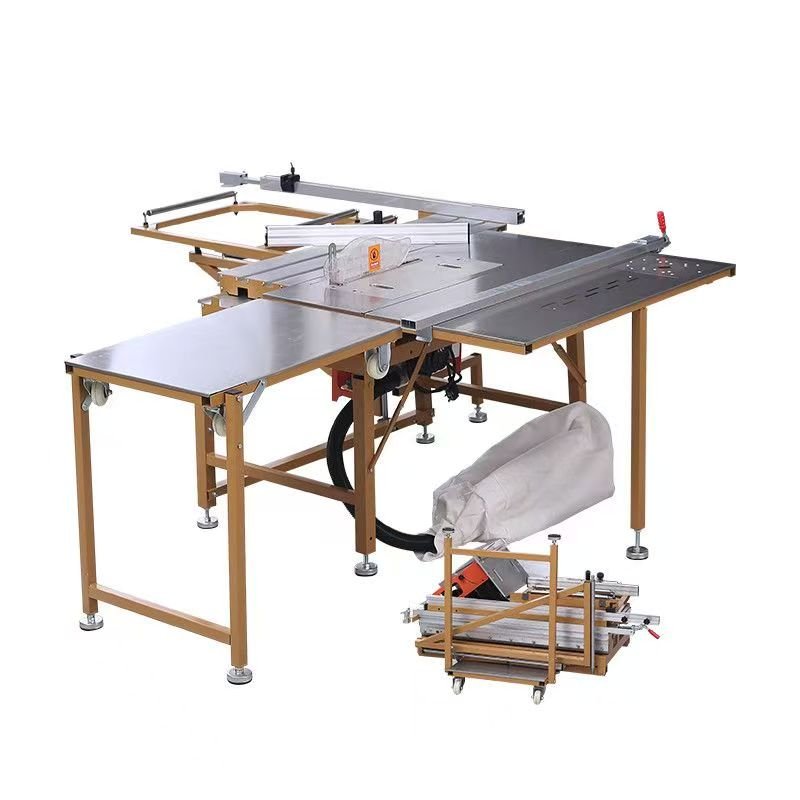
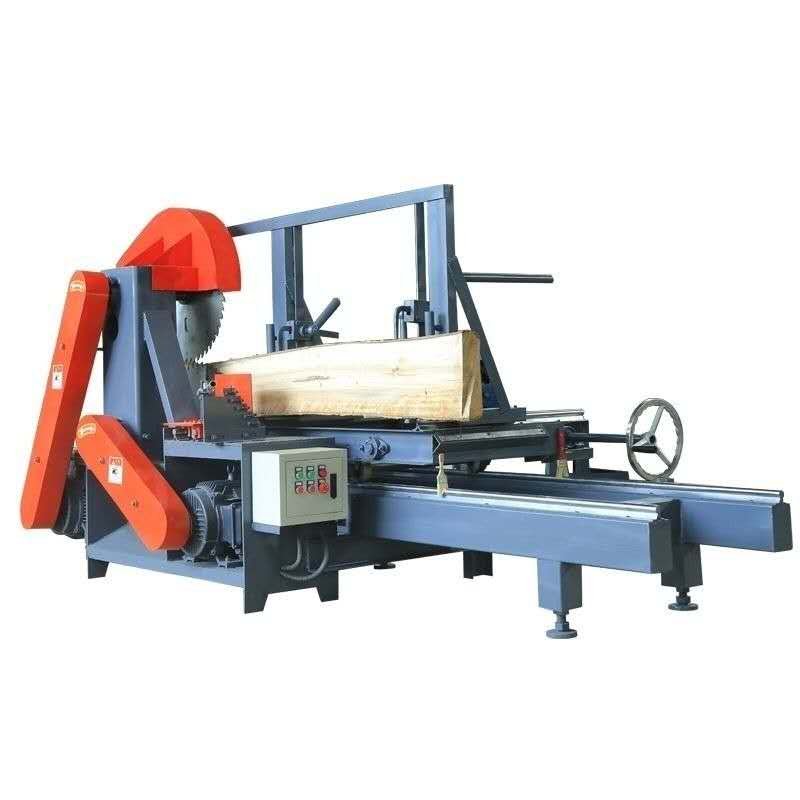
This station is responsible for sawing, shaving and preliminary shaping of logs and is the main source of dust and noise in the workshop. It is recommended to choose precision push table saws with dust collecting interfaces and heavy-duty flat planers, and configure mobile dust collectors. If dealing with large-size plates, automatic feeding roller table can be considered to reduce manual handling. Pay attention to sawing accuracy (within ±0.5mm) and motor power (at least 5.5kW) when selecting the type to cope with hardwood processing.
Finishing and forming stations
This station involves milling, tenon opening, drilling and other processes, which requires extremely high mechanical stability and handling. CNC router is the first choice to improve the efficiency of complex molding, and its repeated positioning accuracy can reach ±0.1mm. For small and medium batch production, vertical milling machines with digital display and precision bench drills can be selected. The station shall be equipped with a pneumatic quick clamp and a laser positioning device to reduce the clamping time.
Assembly and Pressure Stations
The assembly station needs to be equipped with a large workbench, pneumatic press and various clamping tools. For frame components, it is recommended to use a hydraulic assembly press with an adjustable pressure range of 2-10 tons to ensure tight gluing. At the same time, a cantilever crane or balancer can be installed above the workstation to assist in the turning of heavy workpieces. Anti-slip pads should be laid on the ground, and tool hanging boards should be set to keep the operation area clean and tidy.
Practical strategy of workstation optimization
In addition to hardware configuration, station optimization also involves ergonomics and process management. First of all, the height of the workbench should be adjustable (recommended range 75-90cm) to suit operators of different heights. Secondly, 5S management (sorting, rectifying, sweeping, cleaning, literacy) is implemented, and fixed positions are set for each tool and material, and different process areas are distinguished by color coding. In addition, the stopwatch is used to regularly record the beat time of each station, find out the bottleneck process, and balance the production line by adding auxiliary tooling or adjusting mechanical parameters. For example, a furniture factory increased its overall production capacity by 30% by changing the grinding station to a dual-station parallel.
Common Misunderstandings and Avoidance in Workstation Planning
Many workshops are prone to the following misunderstandings when planning: First, they neglect the maintenance space of machinery, which leads to the inability to quickly repair the equipment when it fails; Second, excessive pursuit of automation, neglecting the cost of operation training; Third, the dust and waste treatment system is not considered, resulting in environmental pollution and potential safety hazards. Avoidance method: In the equipment selection stage, the supplier is required to provide the installation size drawing, and at least 1 meter maintenance channel is reserved; For automation equipment, carry out small-scale pilot projects first, and then gradually promote them; At the same time, a central dust collection system is equipped to ensure that the dust concentration in the workshop is lower than the national standard of 2mg/m³.
sum up
Workshop station planning is a systematic engineering, which needs to combine product process, mechanical performance and personnel operation habits. By drawing on the fine zoning concept of musical instrument workshops and introducing modern woodworking machinery and construction machinery, enterprises can create an efficient, safe and sustainable production environment. It is recommended to evaluate the workstation layout regularly and make timely adjustments as the business grows. For more information on equipment selection, visit our Product Center , or read INDUSTRY INFORMATION Get the latest tech updates.