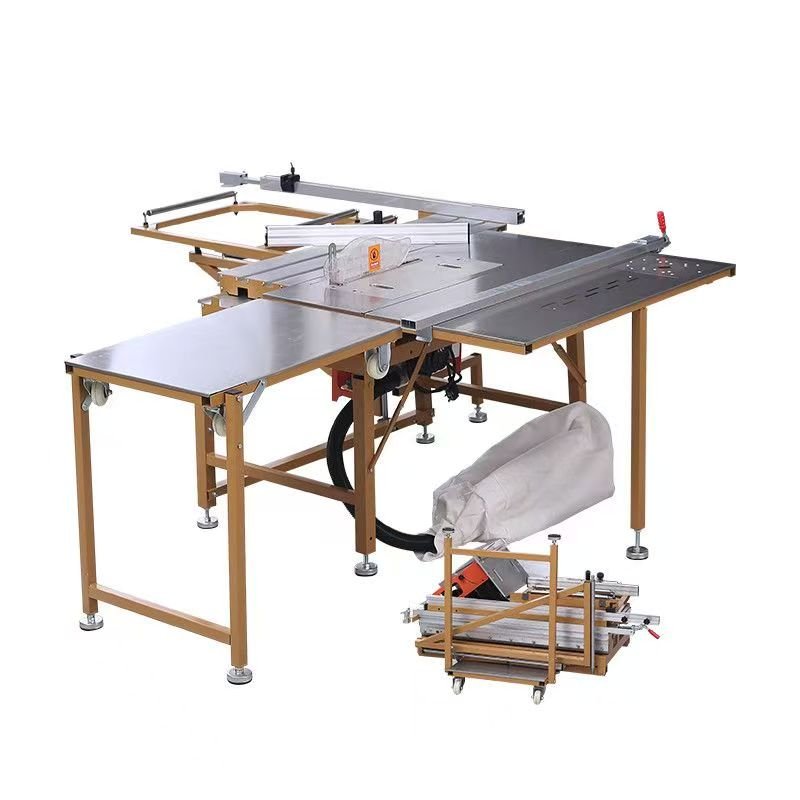
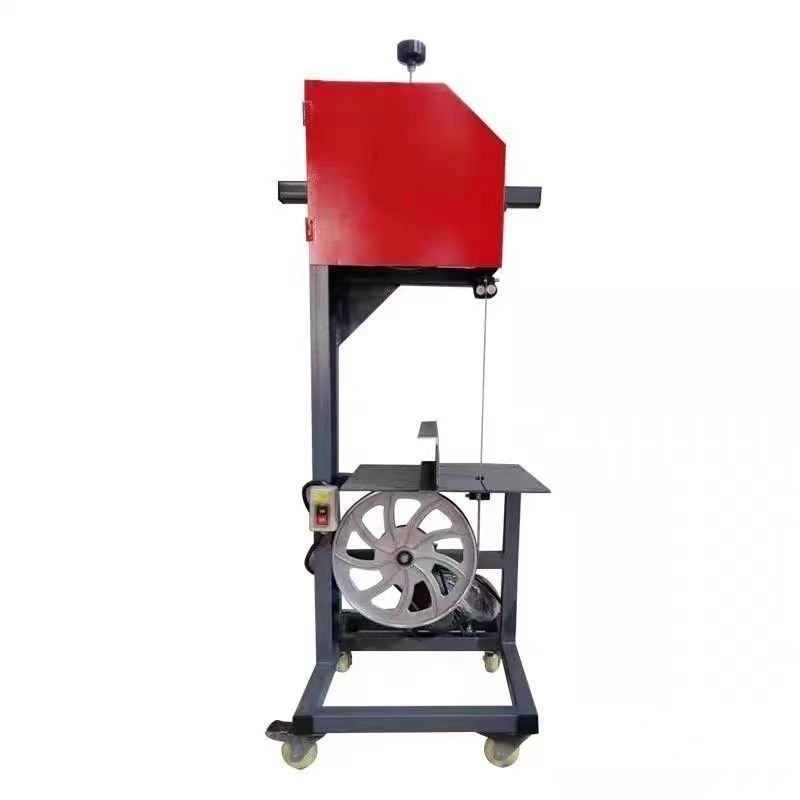
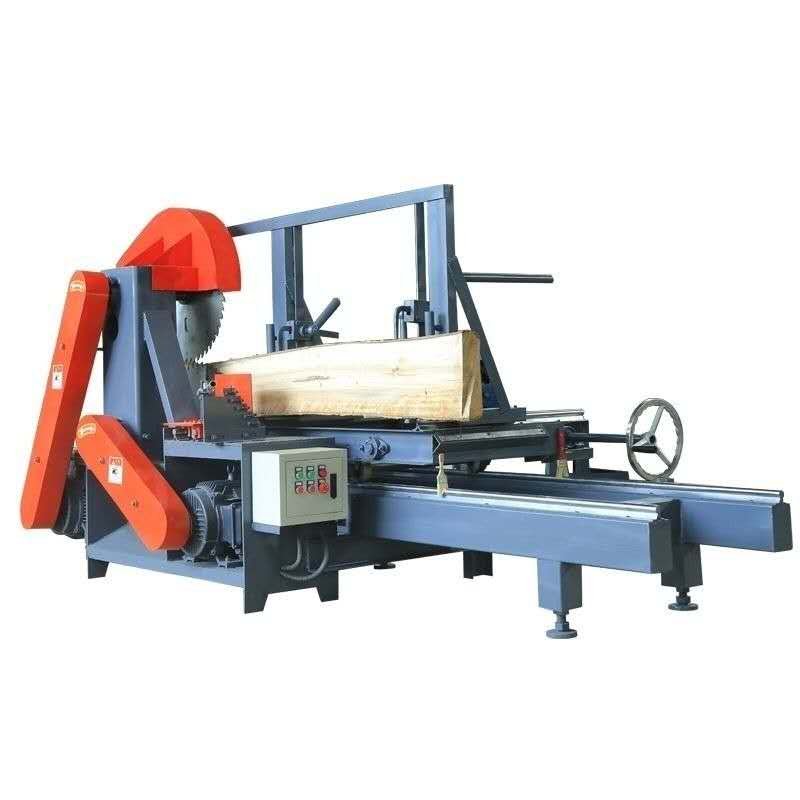
At the recent International Woodworking Machinery Exhibition (IWF), numerous manufacturers showcased their next-generation equipment, from CNC machining centers to intelligent sanders, demonstrating the rapid evolution of the woodworking machinery industry towards intelligence, high precision, efficiency, and environmental protection. For B2B buyers, understanding these trends and making informed equipment selection decisions is directly related to production efficiency and product quality. This article will analyze the core development direction of woodworking machinery from three dimensions: technical points, application scenarios, and selection recommendations.
Intelligentization and Automation: The Key to Improving Productivity
At this year's IWF, intelligentization became the most prominent theme. Several manufacturers have launched woodworking machinery that integrates IoT modules. For example, new CNC cutting saws can monitor tool wear in real time and automatically compensate for it, ensuring that cutting accuracy is maintained within ±0.2mm. Meanwhile, the application of automatic loading and unloading systems and robotic palletizing units enables the entire production line to operate with fewer or even no manpower.
For panel furniture companies, intelligent edge banding machines have also made breakthroughs. The new generation of equipment is equipped with laser preheating and automatic adhesive amount control functions, which not only increases the edge sealing strength by 30%, but also makes the adhesive lines thinner, greatly improving the aesthetics. These technologies not only reduce labor costs, but also significantly reduce material waste.
When selecting a model, it is recommended to prioritize equipment that supports open communication protocols (such as OPC UA) so that it can be connected to MES or ERP systems in the future and achieve full-process digital management.
High-precision machining: meeting customization and high-end needs
As consumers' demand for personalized furniture grows, high-precision machining has become another major highlight of woodworking machinery. Five-axis machining centers are no longer exclusive to the high-end market; their price threshold is gradually lowering, making them affordable for more small and medium-sized enterprises. These equipment can achieve a positioning accuracy of ±0.01mm and a surface roughness Ra of ≤3.2μm when processing complex curved surfaces, providing a reliable guarantee for high-end custom furniture and solid wood doors and windows.
In addition, the fusion of laser cutting and CNC engraving technologies allows wood processing to achieve extremely fine patterns and irregular shape cutting. For example, the new fiber laser cutting machine can cut hardwood with a thickness of 20mm at a speed of up to 2 meters per minute, with a very small heat-affected zone and no secondary treatment of the edges.
For buyers who require high precision, it is recommended to pay attention to the spindle speed, servo system response speed, and bed structure rigidity when selecting a model. At the same time, be sure to ask the supplier to provide trial processing services to verify that the equipment meets your actual accuracy standards.
Environmental Protection and Energy Conservation: Green Manufacturing Becomes a Hard Indicator
With increasingly stringent environmental regulations, the dust collection and VOC treatment capabilities of woodworking machinery have become important considerations in procurement. At the IWF site, many devices integrate efficient central dust removal interfaces, achieving a dust capture efficiency of over 99.5%. At the same time, the widespread use of water-based paint spraying equipment and UV curing lines has significantly reduced organic solvent emissions.
In terms of energy saving, the new servo motor-driven equipment consumes approximately 40% less energy than traditional hydraulic equipment. For example, a certain brand's all-electric injection molding machine consumes only 0.8 kWh/kg of energy per unit product in the molding of wood-plastic composite materials, which is far lower than the industry average.
When purchasing, the equipment's environmental certifications (such as CE and CARB) should be verified, and its operating noise and energy consumption data should be assessed. In the long run, although high-efficiency energy-saving equipment requires a high initial investment, it can usually recoup its costs within 2-3 years by saving on electricity and material costs.
Selection recommendation: Consider production capacity and return on investment.
Faced with numerous technical options, buyers should make reasonable selections based on their own production needs. First, clarify the production capacity target: if the monthly output is less than 5,000 pieces, single-machine automation can meet the requirements; If there are more than 10,000 pieces, then connected production needs to be considered. Secondly, calculate the return on investment cycle, taking into account equipment price, maintenance costs, energy consumption, and labor savings.
In addition, it is recommended to examine the supplier's after-sales service network and spare parts supply capabilities. Woodworking machinery suffers significant downtime losses, making it crucial to choose a supplier with a local service team and quick response. You can in our Product Page View detailed parameters and configurations of various woodworking machinery and obtain professional technical consultation.
At the same time, paying attention to industry trends is also an important part of the selection process. Please visit us regularly. News Centre Learn about the latest technical assessments and market analysis.
sum up
The woodworking machinery industry is rapidly developing towards intelligence, high precision, and green development in 2025. Buyers should keep up with these trends, combine their own production needs, and select equipment that can improve efficiency, ensure quality, and meet environmental protection requirements. By making reasonable selections, companies can not only maintain their competitiveness in the current market, but also lay the foundation for future intelligent manufacturing transformation.