Where is the fuse located on a new energy electric forklift? Procurement Selection and Maintenance Guide
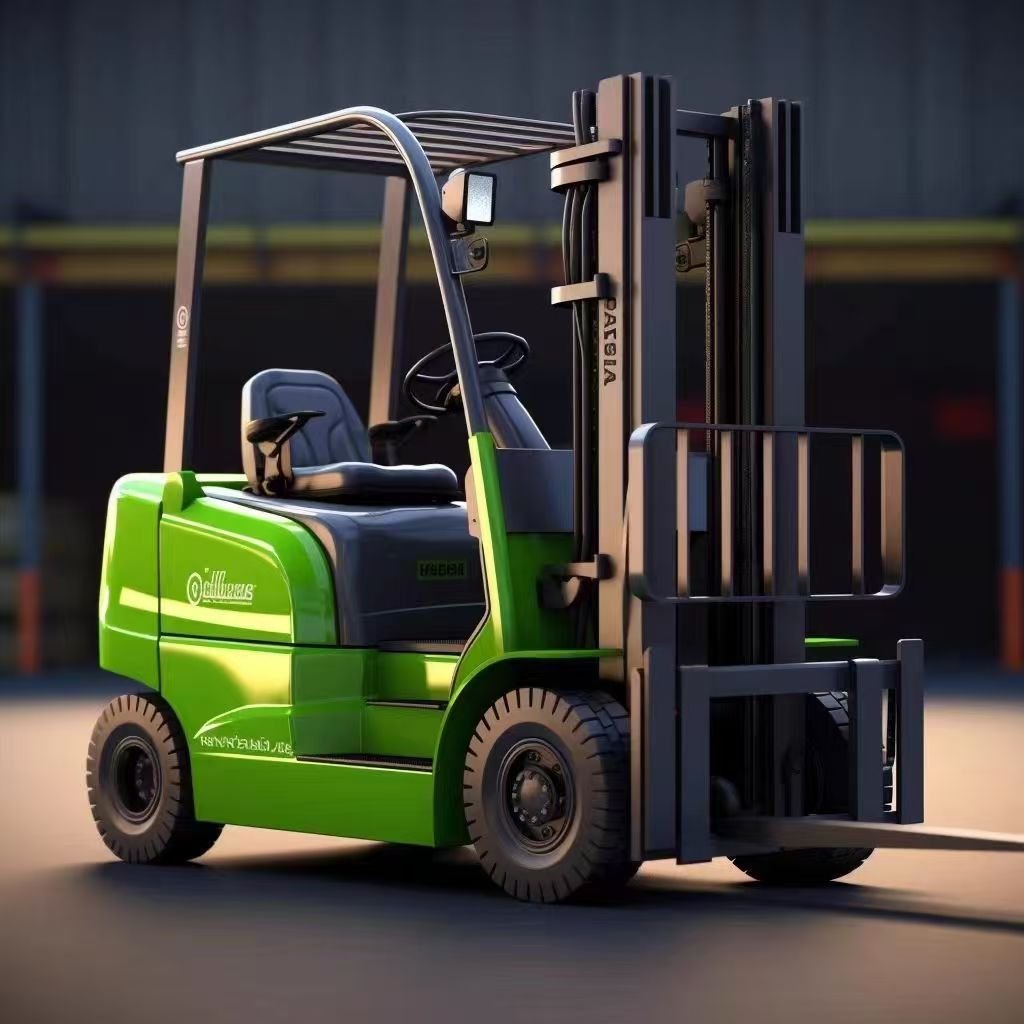
If you are searching new energy electric forklift fuse location It's very likely you've encountered a forklift circuit malfunction, or you're evaluating the maintainability of a new energy electric forklift. The location of the fuse in new energy electric forklifts varies depending on the brand and model, but it is typically concentrated in three areas: Electrical control box under the cockpit, main circuit fuse holder near the battery compartment, and auxiliary circuit board behind the instrument panel 。 Taking mainstream 48V/80V new energy electric forklifts as an example, the main fuses (rated current 200A-400A) are mostly located near the positive output of the battery pack, while the control circuit fuses (5A-30A) are concentrated in the central relay box in the cockpit. When purchasing, it is essential to obtain electrical schematic diagrams from the supplier, as this is a prerequisite for quickly positioning the fuse. This article will provide a practical guide for B2B buyers from the perspectives of model selection, parameters, and maintenance costs.
I. Detailed Explanation of Fuse Locations in New Energy Electric Forklifts: Three Common Areas
Different brands of new energy electric forklifts differ significantly in fuse layout, but the following three positions cover more than 90% of the models:
- Battery compartment main fuse: Located on the positive output cable of the battery pack, it is usually a square or bolted fuse with a rated current of 200A-400A. For example, in 48V electric forklifts from brands such as Heli and Hangcha, the main fuse is mostly installed on the insulating plate on the side wall of the battery compartment. When replacing, you must first disconnect the main battery switch and wear insulated gloves.
- Cockpit Electrical Control Box: Opening the cover under the cockpit seat reveals a centralized relay and fuse box. This usually includes fuses for circuits such as travel control, hydraulic pump control, and lighting, and the specifications are mostly 10A-30A plug-in fuses. Some models (such as BYD new energy forklifts) will mark this box on the label inside the cover.
- Auxiliary circuit behind the instrument panel: The fuses for low-voltage circuits such as the instrument panel, CAN bus communication, and sensors are usually hidden in the wiring harness behind the instrument panel and need to be removed to see them. These types of fuses have a lower rated current (5A-15A) and are recommended to be operated by a professional electrician.
If you are purchasing New energy electric forklift It is recommended that the contract clearly require the supplier to provide complete electrical schematic diagrams and fuse layout diagrams. This can not only shorten the troubleshooting time, but also serve as material for subsequent maintenance training. For more information on industrial vehicle selection, please refer to Product Center The electric forklift series.
II. Procurement of New Energy Electric Forklifts: Key Points for Fuse Selection
Fuse location is just a microcosm of maintainability. As a B2B buyer, you need to pay more attention to the following selection parameters related to electrical systems:
- Voltage Platform: 24V, 48V, and 80V are common voltage levels for new energy electric forklifts. The higher the voltage, the lower the current at the same power, and the lower the rated current of the main fuse. For example, the main fuse for a 3-ton forklift on an 80V platform is typically 250A, while 400A may be required on a 48V platform. When purchasing, it is necessary to confirm whether the fuse specifications are easily available in the local market.
- Battery Type: Lithium iron phosphate batteries and lead-acid batteries have different short-circuit current characteristics, and the fuse selection also differs. Lithium battery systems typically require faster blowing speeds (such as aR types), and when purchasing, it should be confirmed whether the fuse has the corresponding blowing capability.
- Protection level: Electric forklifts often operate in dusty and humid environments. The protection rating of the fuse box is recommended to be no lower than IP54 to prevent dust accumulation from causing poor contact. If your work conditions involve woodworking dust (such as furniture factories), you can refer to Industry News Recommendations regarding equipment maintenance in woodworking workshops.
- Maintainability design: Prioritize models where fuses are centrally arranged and can be replaced without removing a large number of panels. Some brands design the main fuse outside the battery compartment, which can shorten the replacement time to less than 10 minutes.
III. Fuse Troubleshooting and Replacement Cost Reference
Fuse blowouts in new energy electric forklifts are usually caused by the following reasons: circuit short circuit, overload operation, internal battery pack failure, or fuse aging. Recommended troubleshooting steps: First, disconnect the main power supply and use a multimeter to measure the on/off of both ends of the fuse; If the fuse is blown, further check for a short circuit on the load side.
In terms of replacement costs, the main fuse (200A-400A) costs about 50-200 RMB per unit, while the plug-in fuse costs about 2-10 RMB per unit. However, the losses caused by the shutdown are far greater than those of the fuse itself. Therefore, it is recommended to include a set of commonly used fuse spare parts when purchasing, and to train operators to master the basic replacement process. For concrete delivery pump 、 Precision folding sliding table saw The maintainability of equipment such as electrical systems is also an important dimension in procurement evaluation.
IV. The overall reliability of new energy electric forklifts from the perspective of fuse position
Whether the fuse location design is reasonable reflects the manufacturer's emphasis on after-sales maintenance. Excellent new energy electric forklift brands will make optimizations in the following aspects: clear fuse box labels, strong versatility of spare parts, electrical schematic diagrams provided with the vehicle, and status indicators for key fuses (such as circuit breaker indicator windows). Buyers can specifically check these details during factory inspections or prototype testing.
In addition, the electrical system of new energy electric forklifts and Mini excavator 、 spider crane Construction machinery such as these share similarities, facing challenges such as dust, vibration, and humidity. Choosing equipment with high protection levels and reasonable fuse layout can significantly reduce long-term maintenance costs.
sum up
The fuses in new energy electric forklifts are mainly located behind the main circuit of the battery compartment, the cockpit electrical box, and the instrument panel. When purchasing, don't just focus on price and load capacity; the maintainability of the electrical system is equally crucial. Requiring suppliers to provide electrical schematics, confirm fuse specification compatibility, and equip them with commonly used spare parts can help you reduce downtime. If you are selecting new energy electric forklifts or other industrial equipment, please feel free to browse our... Product Center Get detailed parameters.