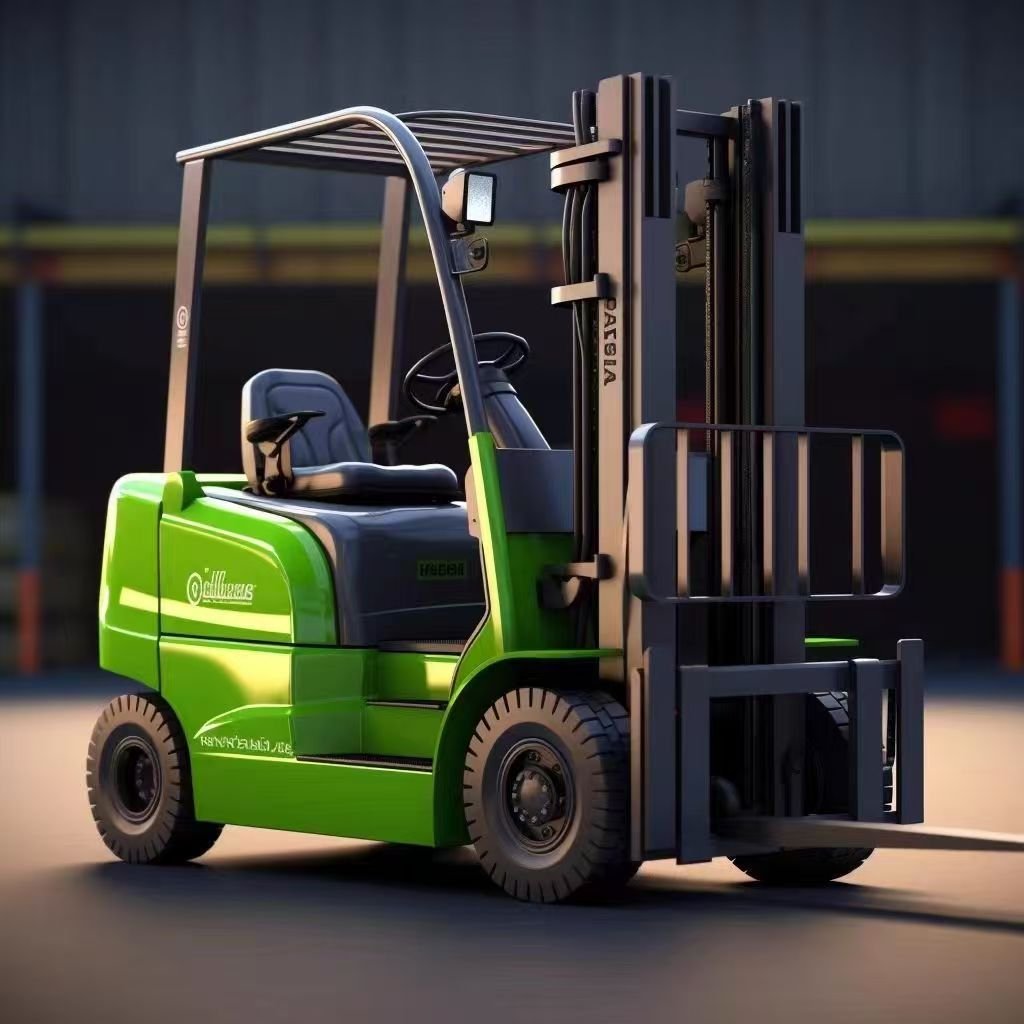
Quick Start Guide for New Energy Electric Forklifts: Key Points for Procurement, Selection and Operation
Are you looking for a New Energy Electric Forklift Quick Start Guide In order to quickly put it into operation after procurement? As a B2B buyer, you not only need to understand the basic operation of equipment, but also master selection parameters, application scenarios, and cost control. This article will focus on the quick-start process of New Energy Electric forklifts, combining it with a procurement perspective to provide you with practical selection advice and operational tips to help you make informed procurement decisions.
I. Quick Start Steps for New Energy Electric Forklifts
New energy electric forklifts typically refer to electric forklifts that use lithium batteries or hydrogen fuel cells. Their startup process is similar to that of traditional lead-acid battery forklifts, but attention needs to be paid to battery management and safety matters. Here are the basic steps for a quick start:
- Check battery status: Confirm that the battery is fully charged (above 20% is recommended) and check that the battery connector is tight and corrosion-free.
- Turn on the power: Insert the key and rotate to the "ON" position, the instrument panel self-checks and waits for the system to be ready (usually a few seconds).
- Release the parking brake: Release the parking brake lever and confirm that the forklift is in neutral.
- Test basic functionality: Operate the lifting, lowering, and tilting handles to check if the fork moves smoothly; Test steering and braking.
- Start Job: Accelerate slowly, pay attention to your surroundings, and ensure safety.
For newly purchased equipment, it is recommended to read the operating manual carefully before starting it for the first time and arrange for operators to receive training. If you need to learn more about electric forklift selection, you can visit our website. Product Center View the new energy electric forklift series.
II. Key parameters for procuring new energy electric forklifts
When purchasing a new energy electric forklift, in addition to the convenience of quick start-up, you also need to pay attention to the following key parameters to ensure that the equipment meets your operating requirements:
- Rated Load: Depending on the weight of the goods being handled, the common range is 1.5 tons to 3.5 tons. Overloading can seriously affect battery life and safety.
- Battery type and capacity: Lithium batteries have high energy density and fast charging, making them suitable for multi-shift operations; Lead-acid batteries are low-cost but require regular maintenance. We recommend choosing a lithium battery version that supports fast charging and opportunistic charging.
- Lifting height: Depending on the warehouse rack height selection, the standard two-section gantry frame has a lifting height of 3 meters, while the three-section gantry frame can reach more than 6 meters.
- Turning radius: It affects the width of the lane. In narrow spaces, a vehicle model with a small turning radius should be chosen.
- Protection level: For use in humid or dusty environments, it is recommended to choose an IPX4 or higher protection rating.
In addition, the range of new energy electric forklifts is directly related to battery capacity, and the amount of electricity required should be estimated based on daily working hours when purchasing. For example, if you work 8 hours a day, it is recommended to choose a lithium battery with a capacity of no less than 48V/400Ah.
III. Application Scenarios and Selection Recommendations
New energy electric forklifts are widely used in industries such as warehousing and logistics, manufacturing, food and beverage, and cold chain. Different scenarios have different requirements for forklifts:
- Warehousing and logistics: Focusing on turning radius and lifting height, it is recommended to choose a model with a three-section gantry and side-moving function to improve space utilization.
- Manufacturing workshop: For vehicles that require frequent handling of heavy objects, a high-load, durable model should be chosen, and fast battery charging should be considered to reduce downtime.
- Food and Beverage Industry: For high hygiene requirements, it is recommended to choose a forklift made of stainless steel or with anti-corrosion treatment, and pay attention to whether the battery meets food-grade safety standards.
- Cold chain environment: Battery performance degrades at low temperatures, so low-temperature lithium batteries should be selected and equipped with a battery heating system.
If you also involve other material handling equipment, such as concrete delivery pump or Mini excavator We can also provide corresponding solutions. Welcome to visit our product page for more information.
IV. Cost and Budget Reference
The procurement cost of new energy electric forklifts is usually higher than that of internal combustion forklifts, but the operating cost is lower. The following is the budget reference (in RMB):
- 1.5 ton lithium battery forklift: Approximately 80,000-120,000 yuan, suitable for light to medium-sized warehousing.
- 2.5 ton lithium battery forklift: It costs approximately 120,000 to 180,000 yuan and is suitable for manufacturing and logistics centers.
- 3.5-ton lithium battery forklift: It costs approximately 180,000 to 250,000 yuan and is suitable for heavy-duty work conditions.
In addition, it is necessary to consider the cost of charging facilities (fast charging piles are about 10,000-30,000 yuan) and maintenance costs (lithium batteries are maintenance-free, while lead-acid batteries need to be refilled regularly). It is recommended to confirm the battery warranty period with the supplier at the time of purchase (usually 5 years or 2000 cycles).
V. Frequently Asked Quick Start Issues and Maintenance Recommendations
To ensure the long-term stable operation of new energy electric forklifts, the following maintenance points should be noted after purchase:
- Check the battery connector regularly: Avoid poor contact due to loosening.
- Maintain good battery heat dissipation: Avoid prolonged continuous operation in high-temperature environments.
- Follow charging specifications: Use the original charger to avoid over-discharging.
- Training Operators: Ensure familiarity with the rapid start process and emergency response.
For more industry news or procurement guides, please visit our News developments page.
sum up
The rapid start-up of new energy electric forklifts not only depends on correct operating procedures, but also requires careful selection during the procurement stage. By paying attention to key parameters such as battery type, load capacity, and application scenarios, and combining this with budget planning, you can select the device that best suits your business needs. Hopefully, this guide will help you efficiently launch your new energy electric forklift project and improve operational efficiency.