New Trends in B2B Procurement from the Perspective of Woodworking Industry Dynamics: A Guide to Wood Processing and Hardware Selection in 2026
Recently, many noteworthy developments have emerged in the woodworking and furniture manufacturing sector, from tool upgrades to process innovation. These changes are quietly influencing B2B procurement decisions. For buyers, understanding the technological evolution of upstream industries can not only optimize the supply chain, but also find a better balance between cost and quality. This article, based on the latest industry observations, outlines key selection points for wood processing and hardware accessories for B2B buyers, helping you seize opportunities in your purchasing in 2026.
I. Upgrading Woodworking Tools: A Turning Point in Procurement from Manual to Intelligent
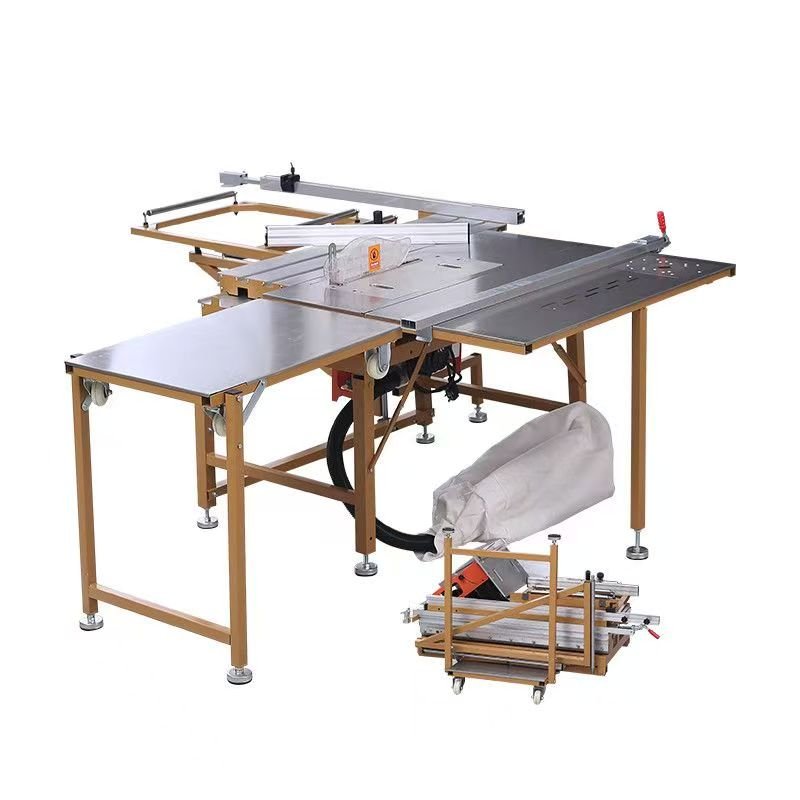
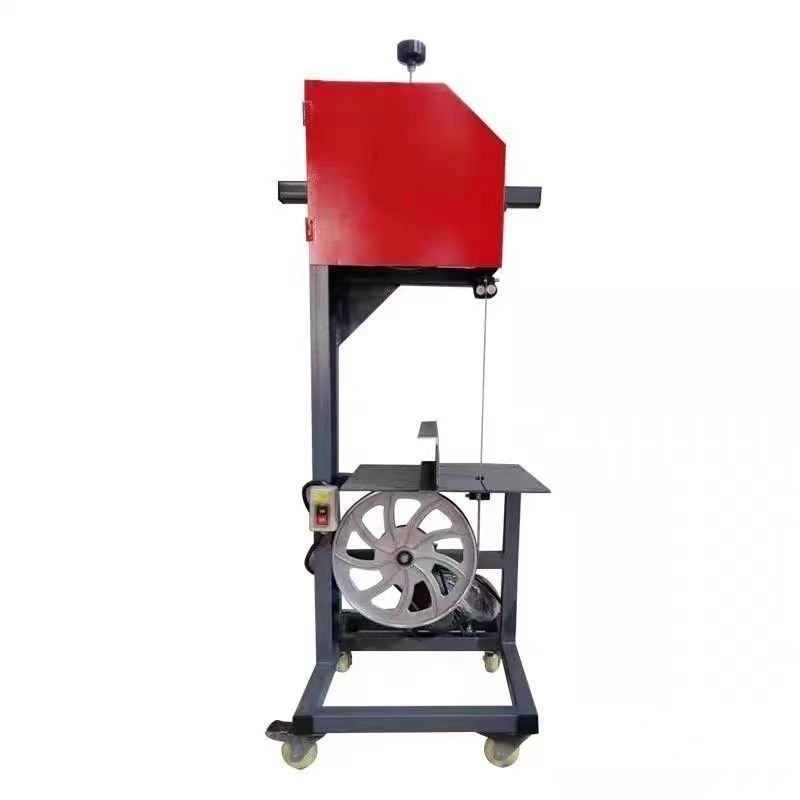
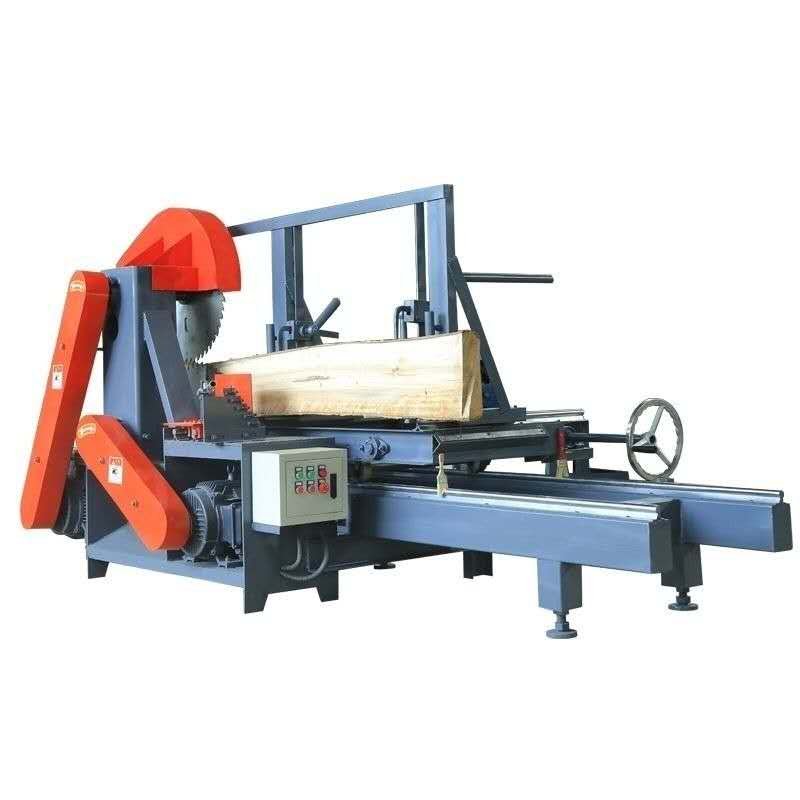
Traditional woodworking workshops are undergoing a wave of tool upgrades. More and more manufacturers are introducing CNC equipment and intelligent monitoring systems. What does this mean for B2B procurement? First, Tool accuracy directly determines the finished product pass rate. 。 For example, laser-positioned cutting equipment can control the error to within ±0.1 mm, improving efficiency by nearly 40% compared to manual operation. Secondly, intelligent tools are typically equipped with data interfaces to facilitate integration with MES systems and achieve production traceability. When evaluating suppliers, buyers can prioritize manufacturers who have updated their equipment lists, which often indicates stronger quality control capabilities. If you are looking for a reliable woodworking machinery supplier, feel free to browse our Product Catalogue Select partners with intelligent production lines.
II. Wood Drying and Processing Technology: Key Variables Affecting Cost
The drying process of wood is directly related to the stability and service life of furniture. Currently, the industry mainstream uses two methods: high-frequency vacuum drying and conventional kiln drying. The high-frequency vacuum drying cycle is short (about 3-5 days), but the equipment investment is high; Conventional kiln drying takes 7-15 days, which is less expensive but has slightly poorer moisture content uniformity. For B2B procurement, The matching timber grade needs to be selected based on the end product positioning. 。 For example, high-end furniture exported to Europe and the United States is required to have a moisture content of 8%-10% and must provide FSC certification. It is recommended that the purchaser specify the drying standards in the contract and conduct regular random inspections. Recent reports indicate that some manufacturers have reduced the drying defect rate from 12% to below 5% by improving kiln drying airflow circulation. Such technological upgrades deserve attention. For more industry technical analysis, please refer to our News Centre 。
III. Hardware Accessory Selection: Small Components Have a Significant Impact
Although small, hardware components such as hinges, sliding rails, and connectors directly affect the durability and user experience of furniture. Three key dimensions need to be considered when purchasing B2B:
- Materials and coatings Cold-rolled steel with galvanized coating is suitable for indoor dry environments, while stainless steel is suitable for humid areas. The salt spray test requires more than 48 hours.
- Load bearing and lifespan The drawer slide rail must pass 50,000 opening and closing tests, and the hinge must meet more than 80,000 tests. Suppliers may be required to provide SGS reports at the time of purchase.
- compatibility Ensure that the hardware is designed to match the thickness and hole positions of the plate to avoid rework during installation.
IV. Environmental Regulations and Sustainable Procurement
Global requirements for the legality of timber sources are becoming increasingly stringent. The EU EUDR regulation requires all timber products to provide proof of geographical coordinates starting in 2026. B2B buyers should prefer suppliers with PEFC or FSC certification and establish due diligence profiles. In addition, the application ratio of water-based coatings and low-formaldehyde adhesives has increased to 65%, and VOC emissions should be considered when purchasing. Green procurement is not only a compliance requirement, but can also enhance brand premium.
V. Selection Recommendations: Building a Resilient Supply Chain
Considering the above trends, the following strategies are recommended for B2B buyers:
- Diversify supplier geographies to avoid relying on a single source;
- Share demand forecasts with suppliers to shorten delivery times;
- Regularly evaluating new technologies, such as AI visual wood sorting, can reduce labor costs by 30%.
In conclusion, the dynamics of the woodworking industry provide a new perspective for B2B procurement. From tool upgrades to environmental compliance, every step affects the competitiveness of the final product. Maintaining sensitivity to upstream technologies will help you take the initiative in negotiations and selection.