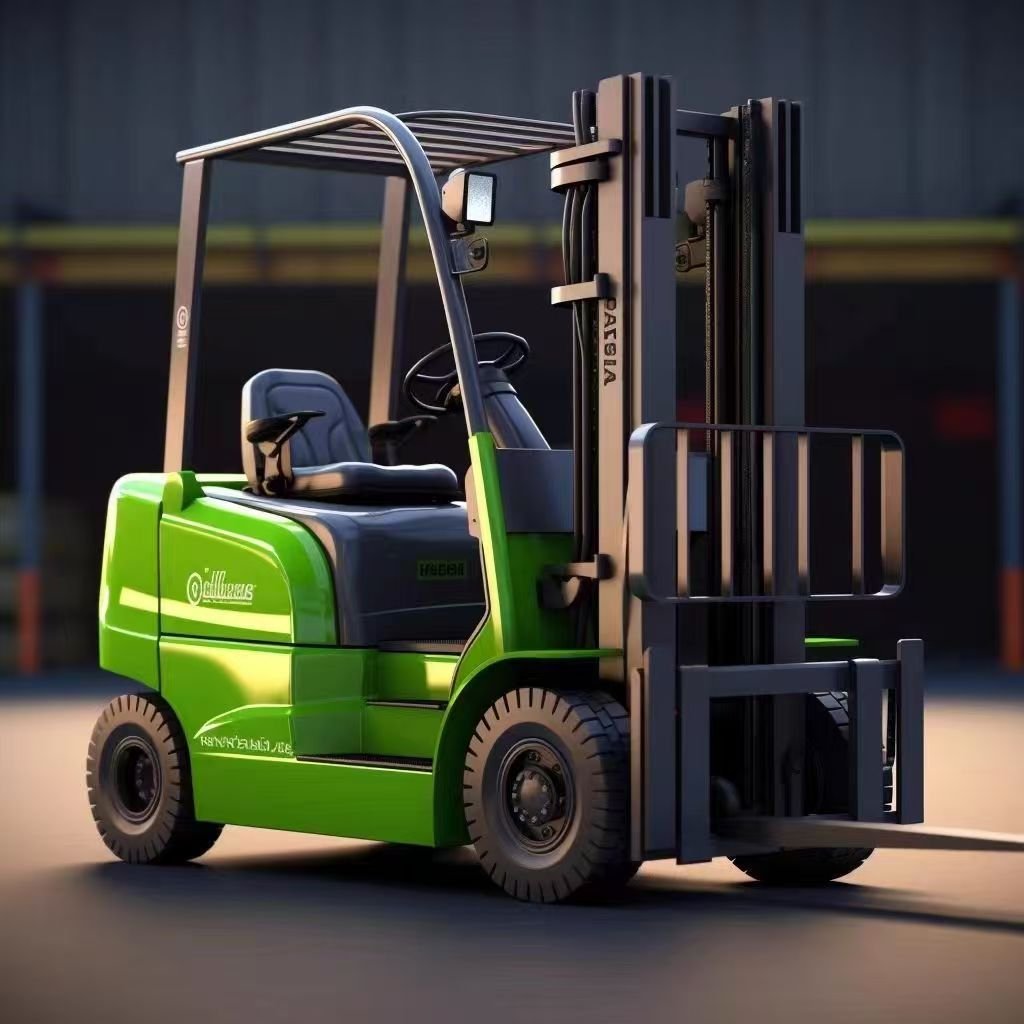
New Energy Electric Forklifts vs. Propane Forklifts: 5 Key Dimensions for Procurement Decisions
In the selection of warehousing and logistics equipment, "new energy electric forklifts vs. propane forklifts" is one of the most frequent comparisons faced by purchasing managers. New energy electric forklifts (lithium battery/hydrogen energy) are rapidly penetrating the market with their zero emissions, low noise and low maintenance costs, while propane forklifts still hold a place in specific scenarios with their stable range and fast refueling. This article provides quantifiable procurement references across five dimensions: total cost of ownership, operating condition adaptability, environmental compliance, ease of maintenance, and residual value performance, helping you make data-driven decisions.
1. Total Cost of Ownership (TCO) Comparison: Electric Forklifts Have Clear Long-Term Advantages
In terms of procurement costs, the initial purchase price of new energy electric forklifts of the same tonnage (2-3 tons) is usually 10%-20% higher than that of propane forklifts, but the operating costs differ significantly. Based on 2000 hours of annual operation, the fuel consumption of a propane forklift is approximately 1.5-2.0 kg/h. Assuming a propane price of 3.5 yuan/kg, the annual fuel cost is approximately 10,500-14,000 yuan. New energy electric forklifts consume approximately 5-6 kWh/h of electricity. Based on an industrial electricity price of 0.8 yuan/kWh, the annual electricity cost is approximately 8,000-9,600 yuan. If peak-off-peak electricity pricing is adopted, costs can be reduced by another 30%. In terms of maintenance, electric forklifts do not require changing engine oil, spark plugs, etc., and their annual maintenance costs are 40%-50% lower than those of propane forklifts. According to comprehensive calculations, electric forklifts can typically recoup their premium within 2-3 years.
2. Working condition adaptability: Continuous operation and cold storage environments need to be treated differently.
Propane forklifts only need 5-10 minutes to refuel, making them suitable for multi-shift continuous operation; If new energy electric forklifts use fast charging technology, they can be fully charged to 80% in 1-2 hours, but corresponding charging facilities are required. Propane forklifts have stable performance in low-temperature environments such as cold storage, while electric forklifts need to choose low-temperature batteries and allow for range attenuation (about 15%-20%). If your work area is scattered and charging is inconvenient, propane forklifts are still flexible; If the location is fixed and there is a nighttime charging window, electric forklifts are better. In addition, the zero-emission characteristics of electric forklifts make them the first choice for cleanrooms such as food and pharmaceuticals.
3. Environmental Compliance and Policy Trends: Electric Forklifts Receive Greater Preference
With the tightening of carbon emission reduction policies, many regions have implemented traffic restrictions or levied carbon taxes on propane forklifts, while new energy electric forklifts can enjoy priority right-of-way, subsidies, and green credit support. If you plan to export or serve multinational customers, electric forklifts are more likely to meet ESG audit requirements. Local environmental regulations must be confirmed when purchasing to avoid premature obsolescence of equipment.
4. Match ease of maintenance with team skills
Propane forklifts have complex structures and require regular oil and filter changes, and propane storage and transportation require safety qualifications. The three electric systems (battery, motor, and electronic control) of electric forklifts have a long maintenance-free cycle, but technicians are required to have knowledge of high-voltage safe operation. If the existing team lacks electrical maintenance experience, training costs need to be assessed. It is recommended to prioritize suppliers that offer localized after-sales service and battery warranty (typically 5 years/10,000 hours).
5. Residual Value and Technology Iteration Risks
New energy electric forklift technology is iterating rapidly, and battery degradation may affect their second-hand value; Propane forklift technology is mature, and the residual value rate is relatively stable. However, with the decline in lithium battery costs, the residual value of electric forklifts is gradually improving. Battery leasing solutions can be considered when purchasing to reduce the risk of technological obsolescence.
In summary, if you are looking for low operating costs, environmental compliance, and adequate charging facilities, new energy electric forklifts are a better long-term investment. Propane forklifts are still worth considering if continuous operation, convenient refueling, or low-temperature environments are required. It is recommended to combine 5-year TCO model Make the final decision based on on-site test drives. For more equipment selection guides, please visit Product Center Or check Industry News 。