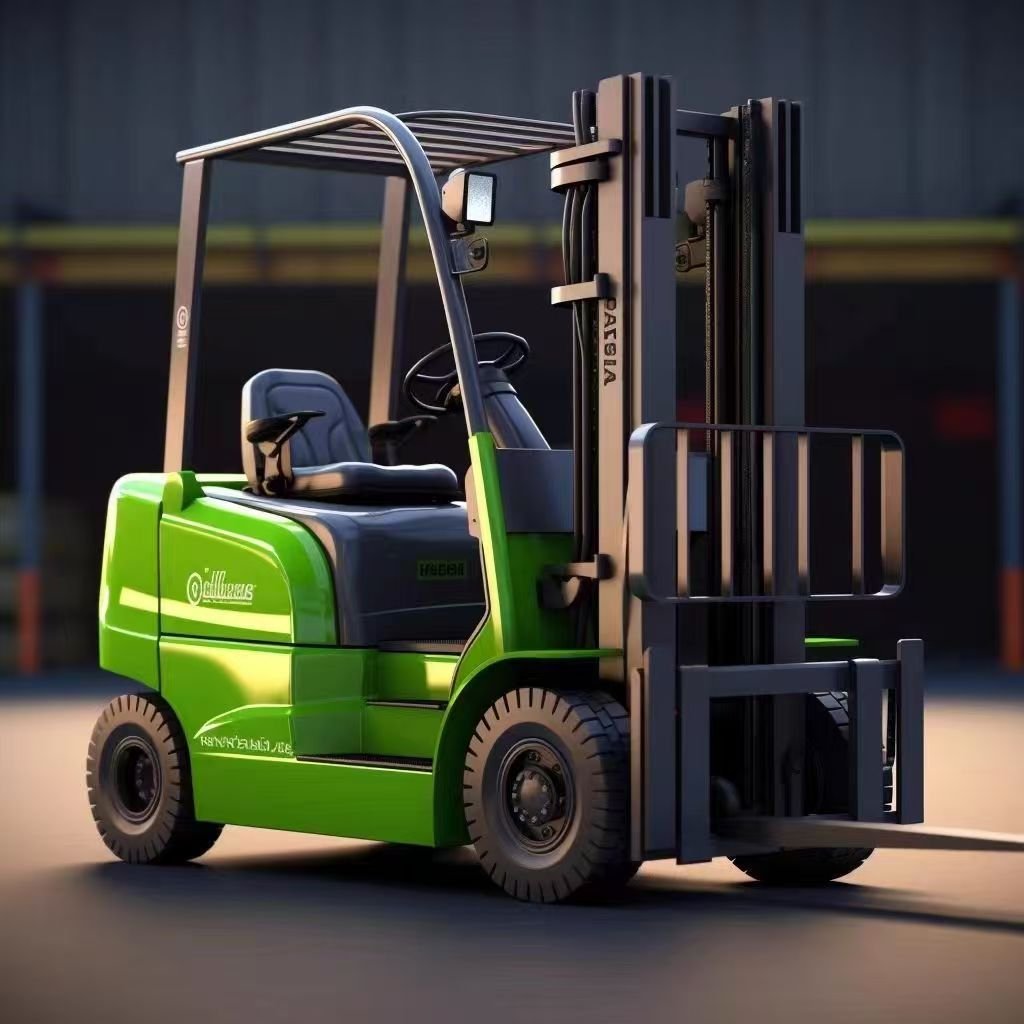
Why is the user manual key to the procurement of new energy electric forklifts?
When purchasing new energy electric forklifts, many buyers only focus on price and basic configuration, while ignoring the importance of the user manual. In fact, a detailed user manual is not only an operating guide, but also a reflection of the equipment's safety, compliance, and full lifecycle costs. For B2B buyers, user manuals allow them to quickly understand equipment performance boundaries, maintenance requirements, and safety specifications, enabling them to make more informed purchasing decisions. This article will focus on the new energy electric forklift user manual, analyze 5 key parameters that you must pay attention to when purchasing, and provide practical operation and maintenance suggestions.
1. Battery Type and Range Parameters: Core Data in the User Manual
The core of a new energy electric forklift lies in its power battery. The user manual usually clearly states the battery type (such as lithium iron phosphate, lithium ternary), capacity (kWh), nominal voltage (V), and battery life (hours). When purchasing, you should pay close attention to whether these parameters match actual operating conditions. For example, if your warehouse operates on a multi-shift basis, you need to choose a battery configuration that supports fast charging and long battery life. In addition, the manual will also specify the battery's cycle life (e.g., more than 2,000 cycles) and warranty policy, which directly affect the cost of use. It is recommended to obtain an electronic version of the user manual before purchasing to verify that the battery parameters are consistent with the supplier's advertisement.
2. Load capacity and lifting height: match your handling needs
The user manual details the forklift's rated load (kg) and maximum lifting height (mm), and indicates the load curve at different load center distances. When purchasing, be sure to choose the appropriate model based on the weight of your goods, shelf height, and aisle width. For example, if you need to move 1.5 tons of goods to a 6-meter-high shelf, you should choose a vehicle with a rated load of 2 tons and a lifting height of 6.5 meters or more, and ensure that the load curve in the manual still meets the requirements at the corresponding height. The manual also provides parameters such as gantry type and tilt angle to help you assess operational efficiency.
3. Safety Configuration and Operating Procedures: Key Compliance Points in the Manual
Safety features for new energy electric forklifts occupy a significant portion of the user manual, including emergency braking, anti-tipping systems, ramp assist, and warning lights. When purchasing, check that the manual clearly lists these functions and their triggering conditions. For example, the anti-rollover system should automatically limit the speed when the vehicle body tilts beyond a set angle; Ramp assist shall be capable of maintaining braking on the ramp. In addition, the manual will provide daily checklists and operating procedures, such as prohibiting overloading and carrying people. These contents are not only the basis for safe operation, but also necessary conditions for passing industry certifications (such as CE and ISO).
4. Maintenance Intervals and Costs: Hidden Value in the Manual
The user manual details the maintenance cycle and requirements for each component, such as deep discharging the battery once a month, changing the hydraulic oil every 2,000 hours, and checking the brakes every 500 hours. This information helps you estimate annual maintenance costs. When purchasing, you can compare the maintenance intervals and wearable parts replacement cycles in the manuals of different brands to choose a model with lower maintenance costs. For example, vehicles using maintenance-free batteries can reduce water filling operations and lower labor costs. In addition, the manual also provides a fault code table to facilitate quick troubleshooting and reduce downtime.
5. User interface and training requirements: Reduce the learning curve
New energy electric forklifts are typically equipped with an electronic instrument panel and fault diagnosis system, and the user manual will illustrate the functions of each instrument indicator and operation button. When purchasing, attention should be paid to whether the manual is available in multiple languages (such as Chinese and English) and whether it includes an operational training module. For companies with multiple driver shifts, a simple and clear operating interface and detailed training materials can significantly reduce the risk of operational errors. In addition, the manual will specify regular training requirements to ensure that operators are certified to work.
Summary: Arm your purchasing decisions with user manuals
The new energy electric forklift user manual is not only an operating guide, but also an important tool for procurement evaluation. By carefully studying the battery parameters, load curves, safety configurations, maintenance cycles, and operating instructions in the manual, you can comprehensively assess the equipment's performance, compliance, and operating costs, avoiding procurement errors. It is recommended that suppliers be required to provide a complete user manual during the inquiry phase and verified against the five key parameters mentioned in this article. For more tips on selecting new energy electric forklifts, please visit our website. Product Center Or read Industry News 。