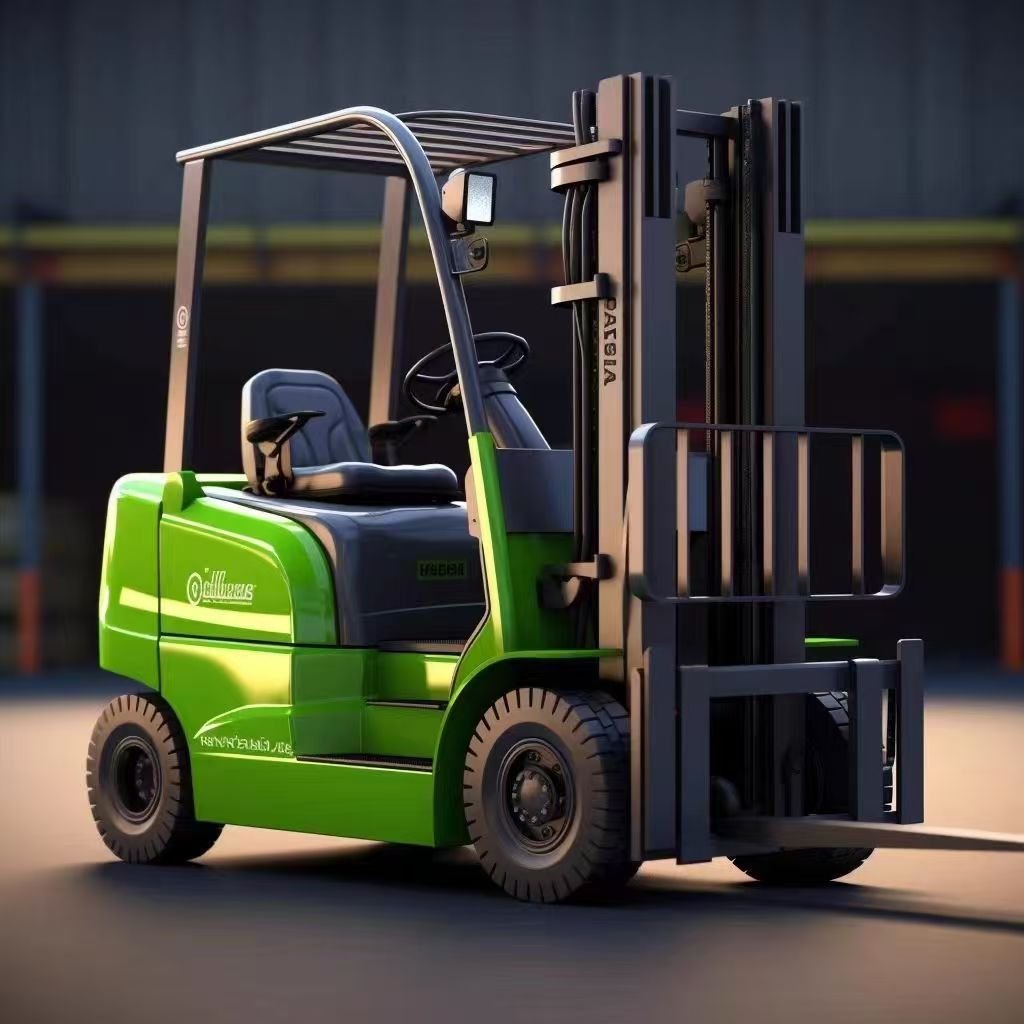
New Energy Electric Forklift Cost: What Drives the Price in 2025?
If you're sourcing a new energy electric forklift, the first question is almost always: how much does it cost? In 2025, prices for new energy electric forklifts (lithium-ion and hydrogen fuel cell models) range from $18,000 to $65,000 depending on capacity, battery type, and configuration. Unlike traditional lead-acid models, new energy forklifts offer lower operating costs, faster charging, and zero emissions—but the upfront investment is higher. This guide breaks down the real cost factors, typical price ranges, and procurement tips so you can budget accurately and avoid hidden expenses.
1. Key Cost Factors: Battery, Capacity, and Brand
The biggest cost driver is the battery system . Lithium-ion batteries add $8,000–$15,000 compared to lead-acid, but last 3–5 years longer and require no maintenance. Hydrogen fuel cell models cost even more ($20,000+ premium) but suit multi-shift operations. Other factors:
- Load capacity: 1.5-ton models start around $18,000; 3.5-ton models exceed $45,000.
- Lift height: Standard 3m is base; 6m+ adds $5,000–$10,000.
- Brand & origin: Chinese brands (eg, HELI, Hangcha) are 20–30% cheaper than European brands (Linde, Toyota) with similar specs.
- Attachments: Custom forks, clamps, or rotators add $2,000–$8,000.
For a detailed comparison of new energy forklift models and configurations, see our product catalog .
2. Typical Price Ranges by Application (2025)
Here's a realistic breakdown based on current market data:
- Light warehouse (1.5–2.0 tons, li-ion): $18,000–$28,000
- General manufacturing (2.5–3.0 tons, li-ion): $30,000–$42,000
- Heavy duty (3.5–5.0 tons, li-ion): $45,000–$65,000
- Hydrogen fuel cell (3.0 tons): $55,000–$75,000
Note: These are FOB China prices. Import duties, shipping, and local taxes can add 15–30% depending on your country. Always request a landed cost quote from suppliers.
3. Hidden Costs: Charging, Maintenance, and Training
New energy forklifts save on fuel but require infrastructure. Budget for:
- Charging station: $3,000–$10,000 for a fast charger (lithium models).
- Battery replacement: After 5–7 years, a new li-ion pack costs $6,000–$12,000.
- Training: Operators need certification for high-voltage systems ($500–$1,500 per person).
- Maintenance: Lower than diesel, but annual service contracts run $800–$1,500.
These costs are often overlooked. For a full procurement checklist, read our industry news & guides .
4. How to Reduce New Energy Electric Forklift Costs
Smart sourcing can cut your total cost by 20–40%:
- Buy directly from manufacturers: Skip trading companies—Chinese factories offer 10–15% lower prices.
- Choose lithium-ion over hydrogen: Unless you run 24/7, li-ion is more cost-effective.
- Lease instead of buy: Monthly leases start at $500–$1,200, preserving cash flow.
- Order multiple units: Volume discounts of 5–10% apply for 3+ units.
- Consider refurbished: Certified pre-owned new energy forklifts cost 30–50% less with warranty.
5. ROI: When Does the Higher Upfront Cost Pay Off?
A new energy electric forklift typically costs $10,000 more than a diesel equivalent. But over 5 years, you save:
- Fuel: $12,000–$18,000 (electricity vs. diesel)
- Maintenance: $4,000–$6,000 (fewer moving parts)
- Carbon credits: Up to $2,000 in some regions
Break-even is usually 2–3 years . After that, it's pure savings. For a personalized ROI calculation, contact our team via the product page .
Conclusion
New energy electric forklift cost depends on battery type, capacity, and sourcing strategy. Expect $18,000–$65,000 upfront, but factor in charging infrastructure and training. By buying directly, choosing li-ion for most applications, and leveraging volume discounts, you can secure a competitive price. Always request a landed cost quote and verify warranty terms. With a 2–3 year ROI, new energy forklifts are a smart long-term investment for B2B buyers.