Looking at North American woodworking machinery procurement trends from woodworking exhibitions: How B2B buyers can accurately select models
For B2B buyers, industry exhibitions are not only a window for technical exchange, but also a key scenario for understanding market trends and selecting high-quality suppliers. Take the upcoming Woodworking in America 2026 as an example. This grand event, which brings together the elites of the North American Woodworking industry, will showcase the latest achievements from traditional hand tools to intelligent CNC equipment. For companies planning to upgrade or expand their production lines, how can they efficiently obtain procurement decision-making information from exhibitions? This article provides a practical guide for B2B buyers from three dimensions: technology trends, application scenarios, and selection strategies.
I. Woodworking Machinery Technology Trends: Automation and Precision Become Core Demands
In recent years, the North American woodworking industry has faced the dual pressures of a shortage of skilled workers and growing demand for customization, driving the rapid iteration of equipment towards automation and high precision. At Woodworking in America 2026, the following technologies are expected to be in focus:
- Popularization of numerical control machining center (CNC) The demand for compact CNC equipment has increased significantly in small and medium-sized woodworking workshops. This type of equipment can complete multiple processes such as milling, drilling, and grooving, with a positioning accuracy of ±0.05mm, greatly reducing the dependence on operator experience.
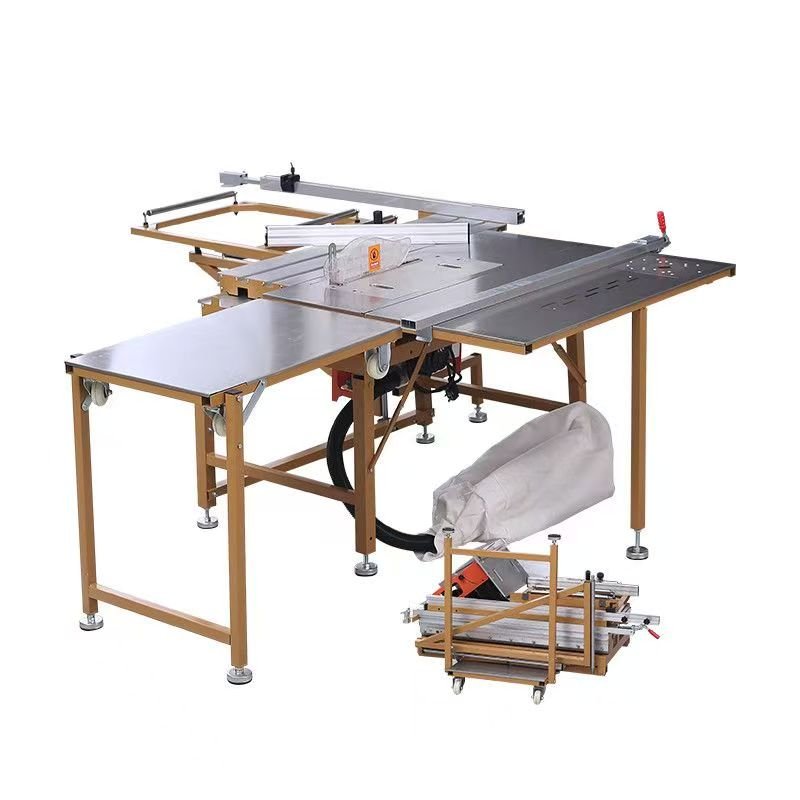
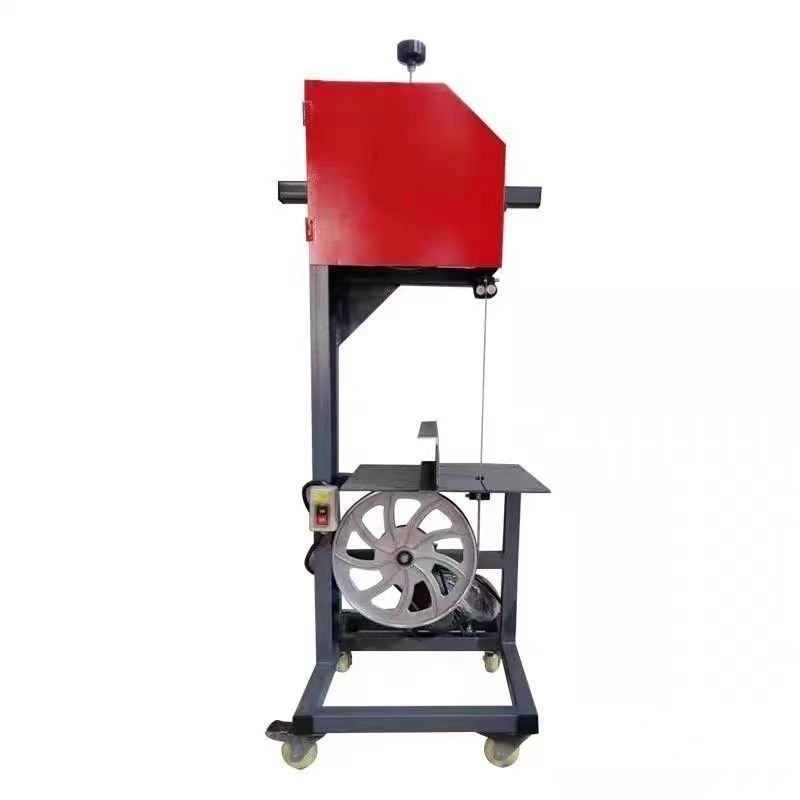
- intelligent sawing system Table saws and band saws equipped with laser positioning and automatic feeding devices can improve material utilization by more than 15% while reducing safety accidents caused by human error.
- Integrated solution for dust removal and environmental protection With stricter environmental regulations in North America, the demand for high-efficiency dust collection systems in woodworking workshops is growing by approximately 12% annually, with particular attention paid to filtration accuracy and energy consumption indicators.
For B2B buyers, it is recommended to focus on examining the equipment's repeated positioning accuracy, tool change speed, and whether it supports interoperability with existing MES systems at the exhibition. For specific product parameters, please refer to this website. Product Center Detailed technical specifications.
II. Application Scenario Matching: From Mass Production to Customization
Woodworking companies of different sizes have significant differences in equipment selection logic. According to North American market research data, factories with an annual output value of less than $5 million are more likely to purchase all-in-one machines, while large manufacturers are focusing on production line automation integration.
- Batch furniture manufacturing Priority should be given to high-speed edge banding machines and multi-row drills, requiring a cycle time of less than 45 seconds per piece and supporting rapid changeover. In such scenarios, equipment stability is more important than absolute accuracy.
- Custom cabinets and wooden doors It needs to be equipped with a five-sided drill and machining center, with a focus on examining the machining capabilities of special-shaped parts. For example, CNC equipment with C-axis functionality can complete complex surface engraving with a single clamp.
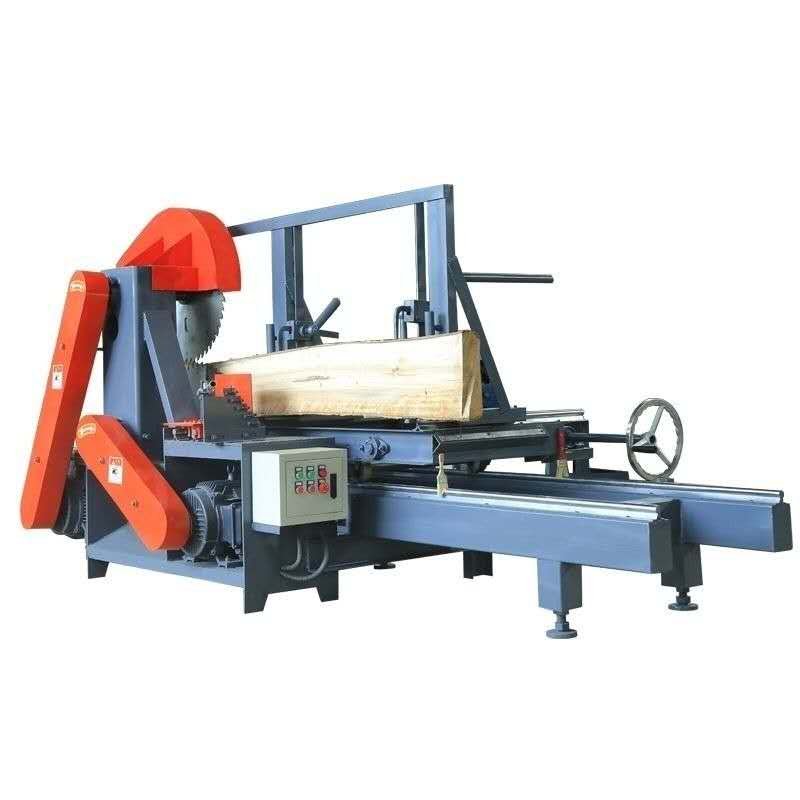
- Architectural wood structure processing Large gantry saws and finger joint production lines are core equipment. When purchasing, attention should be paid to the maximum processing section (such as 300mm×600mm) and the tool life management function.
It is worth noting that there are often on-site demonstrations during the Woodworking in America exhibition, where buyers can bring typical workpieces for trial processing to intuitively verify the compatibility of the equipment. For more industry cases, please refer to this website. News developments Application analysis in.
III. B2B Selection Recommendations: Emphasize Cost, Service, and Compliance
Procurement decisions should not focus solely on the initial price. According to a survey of 50 woodworking companies in North America, maintenance and downtime losses account for as much as 35% of the total lifecycle cost of equipment. Therefore, it is recommended to evaluate suppliers from the following dimensions:
- Total Cost of Ownership (TCO) : Calculate energy consumption, tool wear, regular maintenance and potential downtime losses. For example, although a high-efficiency dust collector is 20% more expensive, it can save about $3,000 per year on filter replacement costs.
- Localized service capabilities Confirm whether the supplier has a spare parts warehouse and technical support team in North America, and the response time should not exceed 48 hours. At the exhibition, you can directly inquire about the location of service outlets.
- Safety and Compliance Certification Ensure that the equipment complies with North American electrical standards such as UL and CSA, and has CE or ISO 12100 safety certification. Equipment lacking compliance markings may be at risk of not being insured.
In addition, buyers are advised to exchange technical solutions with multiple suppliers at the exhibition and request reference cases from similar customers. For projects requiring customized chemical production lines, suppliers can be required to provide capacity simulation reports.
sum up
Woodworking in America 2026 is not only a technology showcase platform, but also an opportunity for B2B buyers to optimize their supply chains. By focusing on automation accuracy, scenario adaptability, and full lifecycle cost, companies can select equipment solutions that truly align with long-term development. It is recommended to develop a procurement list in advance, compare and test it on-site at the exhibition, and leverage this website. Product Center with News developments Continuously update and improve the supplier evaluation system.