In the woodworking machinery and construction machinery industry, enterprises often focus on technological innovation and market expansion, but few people realize that public welfare projects can not only give back to society, but also inject unique value into brands. Recently, a story about John Spaziani, a woodworking enthusiast, resonated in the industry: after he defeated cancer, he used woodworking skills to make rehabilitation tools for other cancer patients and convey hope. This case provides profound enlightenment for B2B enterprises-the value of mechanical equipment lies not only in production efficiency, but also in its ability to empower human well-being. This paper will explore how woodworking machinery enterprises can learn from this idea, enhance brand influence through public welfare projects, and give concrete implementation suggestions.
Public Welfare and Branding: From Personal Goodwill to Corporate Strategy
John Spaziani's story stems from a woodworking magazine article where he uses lathes to create personalized wooden canes and prosthetic aids for cancer patients, tools that are not only practical but also carry emotional care. For woodworking machinery enterprises, this reminds us that equipment can become a carrier of public welfare. For example, CNC engraving machines can be customized for rehabilitation aids, sanding machines can handle environmentally friendly materials, and precision sawing equipment can ensure safety and precision. If an enterprise shifts part of its production capacity to public welfare production, it can not only gain social recognition, but also establish the image of "responsible supplier" among B2B customers. According to industry data, more than 70% of buyers prefer to cooperate with socially responsible suppliers, which is directly related to order stability and long-term cooperation opportunities.
Technology Empowerment: Equipment Selection and Application Scenarios in Public Welfare Projects
The implementation of public welfare projects needs to be matched with suitable equipment. Taking rehabilitation aids as an example, it is recommended to use a five-axis machining center (such as our High-end CNC Machining Centers ) to handle complex curved surfaces, while lightweight bench lathes are suitable for small-volume customization. In application scenarios, enterprises can join hands with hospitals or rehabilitation centers to use the remaining production capacity to produce wheelchair accessories, grip strength trainers, etc. There are three points to pay attention to when selecting: First, the ease of use of the equipment to ensure that volunteers or employees can get started quickly; Second, safety, especially when it comes to medical uses, it needs to meet the ISO 13485 standard; Third, the maintenance cost. The budget of public welfare projects is limited, so it is more suitable to choose models with durability and low energy consumption. Our team of engineers can provide free selection consultation to help enterprises balance public welfare input and output.
Case Practice: From Wood to Hope Transformation Process
Drawing on John's experience, a complete public welfare project process includes: demand research, material procurement, design proofing, production quality inspection and delivery feedback. For example, enterprises can use woodworking machinery to process donated hardwood scraps into canes, and engrave patients' names or blessings through laser engraving machines to enhance emotional value. In the quality inspection process, it is necessary to ensure that the surface is smooth and burr-free, and the structural strength reaches the standard. We recommend that businesses establish standard operating procedures (SOPs) and record production data, which not only guarantees quality but also provides fodder for the brand story. In addition, enterprises can invite customers to participate in public welfare days and experience equipment operation, which can not only enhance customer stickiness, but also show equipment performance, and achieve a win-win situation of "public welfare + marketing".
Selection and Cost: Balancing Public Welfare Investment and Commercial Return
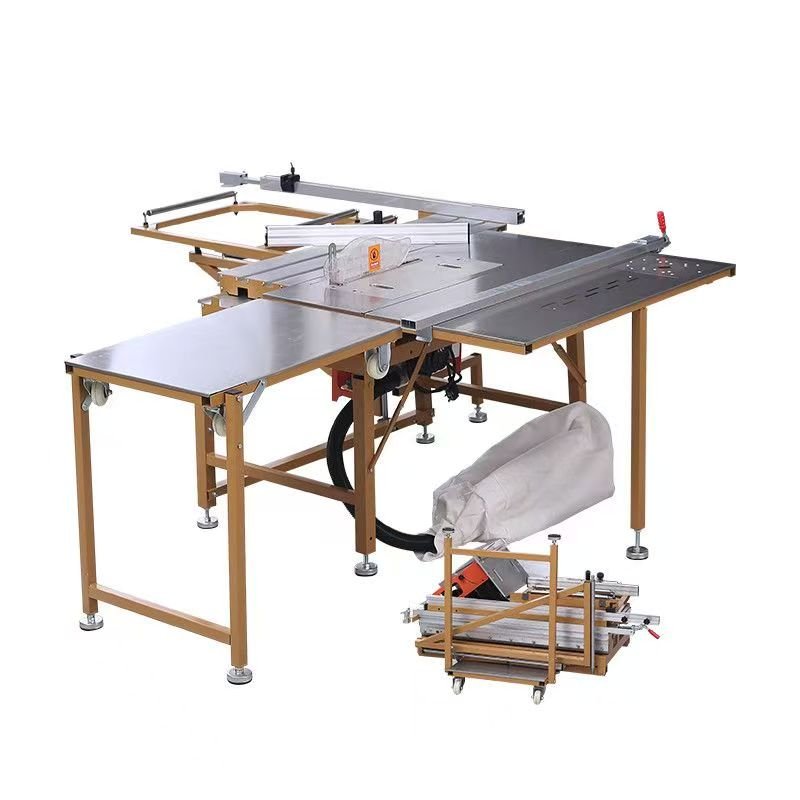
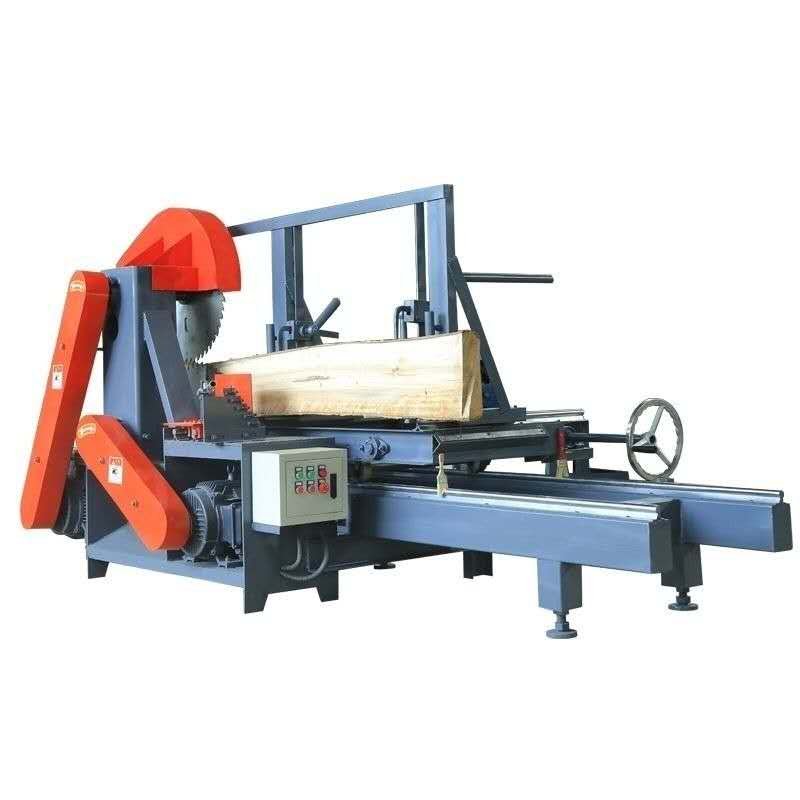
Public welfare projects do not mean losses. Through reasonable planning, enterprises can arrange public welfare production and normal orders out of peak, make use of the idle time of equipment, and the marginal cost is extremely low. For example, an automatic feeding circular saw machine can process public welfare components during off-peak hours, and power consumption and tool wear can be controlled within 5% of the total cost. We recommend that businesses set an annual public welfare budget (e.g. 1%-2% of profits) and apply for subsidies from governments or industry organizations. At the same time, public welfare projects can be written into corporate social responsibility reports as cases to improve the bidding score. When selecting specific equipment, you can pay attention to our Multifunctional woodworking combination machine It integrates sawing, planing and drilling, occupies a small area, and is suitable for small and medium-sized public welfare workshops.
sum up
John Spaziani conveys the hope of fighting cancer with a lathe, and woodworking machinery enterprises can also show the technical temperature through public welfare projects. This is not only a moral responsibility, but also a brand strategy. Through equipment empowerment, process optimization and cost control, enterprises can win the trust and loyalty of B2B customers while giving back to society. In the future, we expect more enterprises to integrate public welfare into production, so that every machine will become a tool to change the world. To learn more about the use of devices in public welfare, please visit our Industry Information Center 。