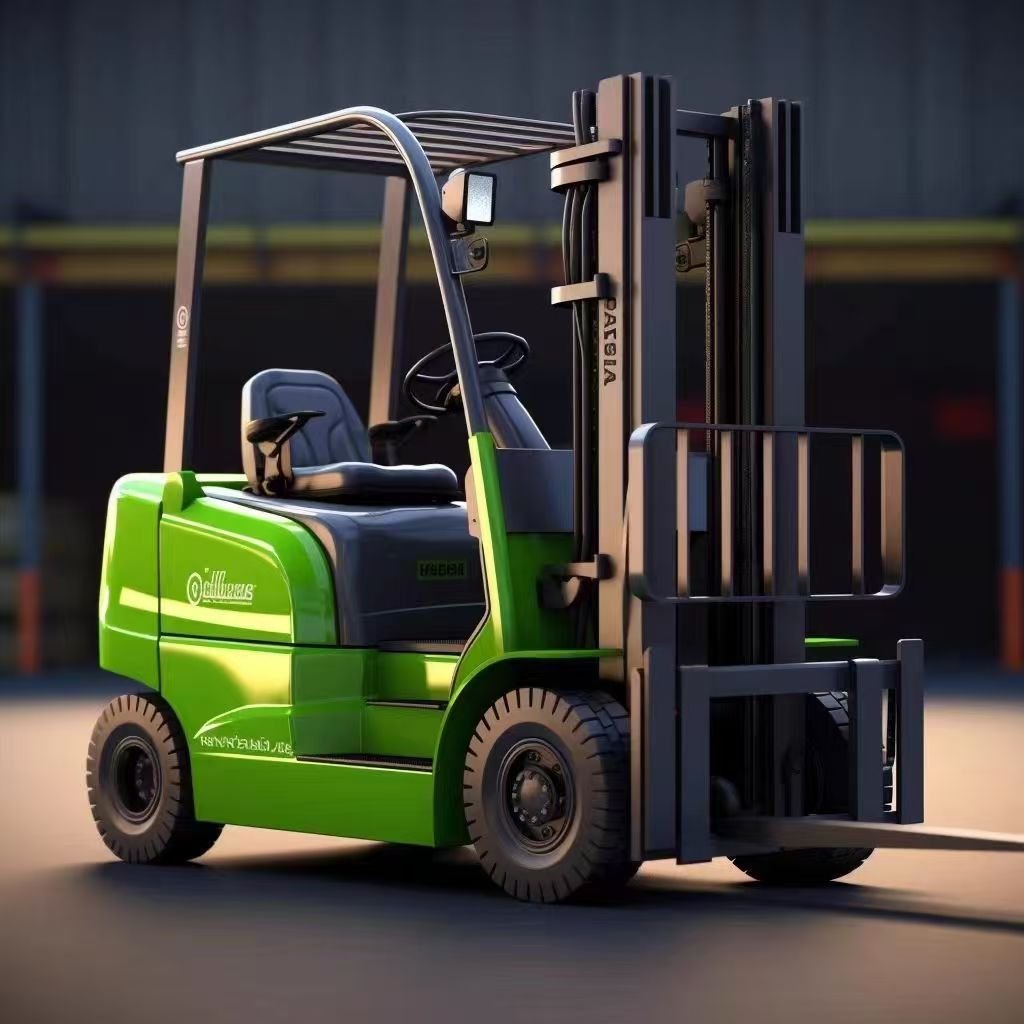
How to use a new energy electric forklift? Essential Operation Guide and Selection Points for Buyers
For companies purchasing new energy electric forklifts for the first time, the most pressing questions are often: How to use a new energy electric forklift ? Compared with internal combustion forklifts, electric forklifts have significant differences in operating procedures, daily maintenance, and charging management. This article will provide a detailed analysis of the operating steps, key precautions, and 5 core parameters to consider when purchasing and selecting new energy electric forklifts from a practical usage perspective, helping you get started quickly and make informed purchasing decisions.
I. Basic operating procedures of new energy electric forklifts
The operation of a new energy electric forklift can be summarized as "one check, two starts, three drives, four operations, and five returns to its original position". The specific steps are as follows:
- Pre-operation inspection Check whether the battery level is sufficient (it is recommended that the battery level be above 30%), tire pressure, fork is intact, and braking is sensitive. If any abnormality is found, report it for repair immediately, and it is strictly forbidden to work with the defect.
- start vehicle Insert the key or start using a fingerprint/card swipe (supported by some high-end models), confirm that there is no malfunction alarm on the dashboard, and then release the parking brake.
- driving operation The electric forklift is controlled by the accelerator pedal and steering wheel to accelerate smoothly. Sudden acceleration and sharp turns should be avoided to prevent the goods from tipping over.
- Cargo loading and unloading Adjust the fork spacing so that the center of gravity of the goods is between the two forks, slowly insert the pallet, then lift the forks to the appropriate height, tilt the gantry backwards before moving.
- Return to position after work Lower the fork to the ground, turn off the power, remove the key, and charge as required.
It is worth noting that new energy electric forklifts are usually equipped with a regenerative braking system, which generates braking force and recovers energy when the accelerator pedal is released, which requires the driver to adapt to. It is recommended to conduct 1-2 hours of adaptation practice in an open area before formal operation.
II. 5 Key Parameters for Procurement Selection
Before answering the question "how to use a new energy electric forklift", choosing the right model is equally important. Here are 5 parameters you must pay attention to when purchasing:
- rated load Choose according to the weight of the goods you handle daily, with common options including 1.5 tons, 2 tons, and 3 tons. It is recommended to reserve a margin of 10%-20% to avoid long-term full-load operation.
- lifting height : Depends on shelf height and container operation requirements. Standard two-section gantry frames have a lifting height of 3 meters, while three-section gantry frames can reach over 6 meters.
- Battery Type and Capacity Most new energy electric forklifts use lithium iron phosphate batteries, with capacities ranging from 20kWh to 80kWh. The larger the capacity, the longer the battery life, but the higher the price. It needs to be selected based on the duration of single/double shift work.
- Charging method Models that support fast charging can be fully charged to 80% in 1-2 hours, making them suitable for multi-shift work; Normal charging takes 6-8 hours. On-site power supply conditions need to be confirmed during procurement.
- Turning radius and channel width This directly impacts warehouse space utilization. The turning radius of electric forklifts is usually smaller than that of internal combustion forklifts, but it still needs to be matched according to the width of the shelf aisle.
If you would like to learn more about other key selection points for new energy construction machinery, you can check out our... Product Center To obtain more technical information.
III. Routine Maintenance and Safety Precautions
New energy electric forklifts are simpler to maintain than internal combustion forklifts, but there are still several key points:
- battery maintenance Avoid over-discharging (charge promptly when the battery level is below 20%), and replenish the battery once a month when not in use for a long time. The battery should be stored in a dry, well-ventilated place, away from fire sources.
- hydraulic system Change the hydraulic oil every 500 hours and check the oil pipes for leaks.
- braking system Regularly check the wear of brake fluid and brake pads.
- safe operation Overloading and excessive loading are strictly prohibited; The fork is 10-20 cm off the ground when driving; When driving on a slope, move forward uphill and retreat downhill.
In addition, the range of new energy electric forklifts will decrease by about 20%-30% in low-temperature environments, so northern users need to choose models with battery heating systems. If you are interested in specific operation videos of electric forklifts, you can visit our website. News developments This section allows you to view related tutorials.
IV. Cost and Budget Reference
The procurement cost of new energy electric forklifts is typically 20%-30% higher than that of internal combustion forklifts of the same tonnage, but the operating cost is much lower. Taking a 2-ton vehicle as an example:
- Purchase price Domestic new energy electric forklifts cost approximately 80,000 to 150,000 RMB, while imported brands cost approximately 150,000 to 250,000 RMB.
- Cost of use Electricity costs are about one-third of diesel costs, and there is no need to change engine oil, filters, etc., which can save 20,000 to 40,000 yuan per year.
- Maintenance costs The annual maintenance cost of electric forklifts is approximately 50% of that of internal combustion forklifts.
In summary, if electric forklifts operate for more than 4 hours a day, they can recoup the incremental costs within 2-3 years.
sum up
Using new energy electric forklifts is not complicated; the key is to master the correct operating procedures and daily maintenance methods. When purchasing, be sure to select the appropriate vehicle model based on parameters such as load capacity, lifting height, and battery capacity, and also consider charging facilities and after-sales support. Hopefully, this article will help you quickly get started with new energy electric forklifts and make informed purchasing decisions.