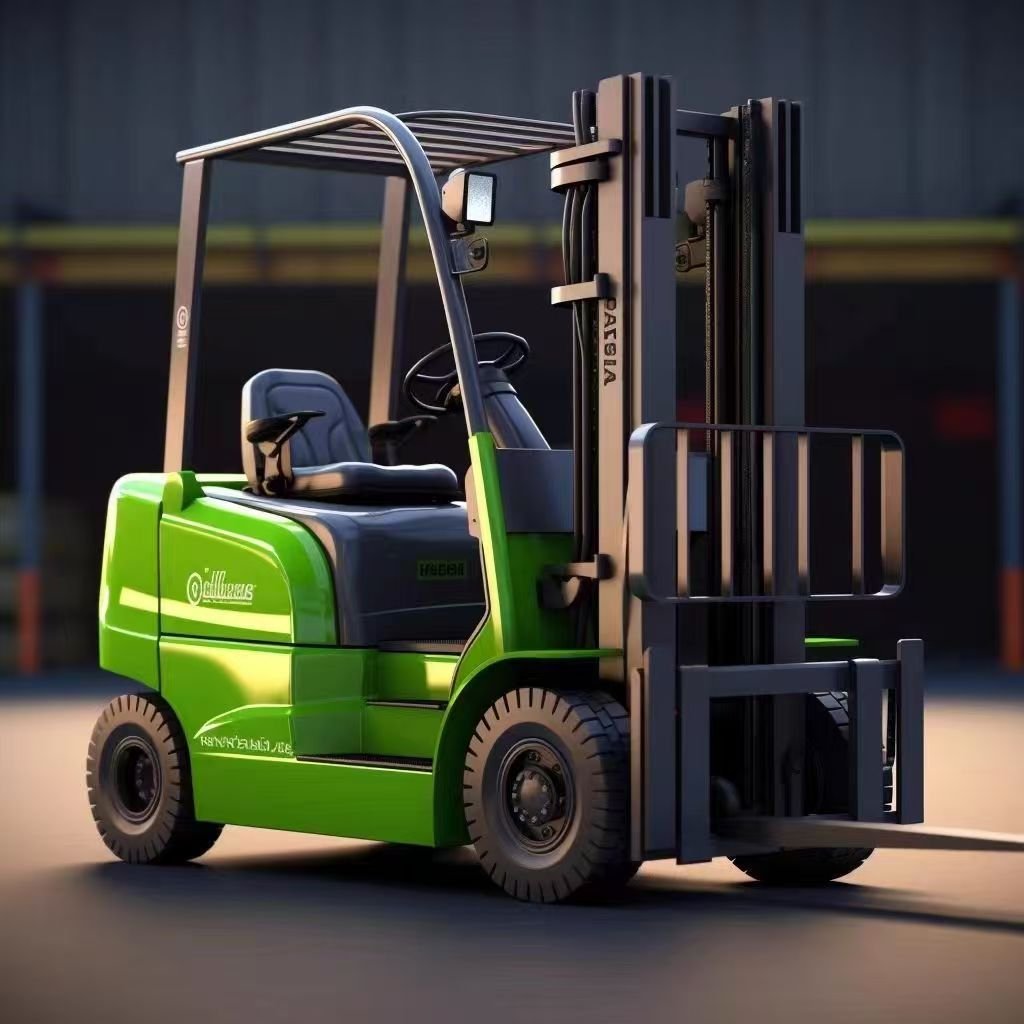
How to choose a new energy electric forklift model? 5 Key Parameters and Procurement Guidelines
In today's industrial environment that emphasizes sustainable development, new energy electric forklifts have become the preferred choice for warehousing, logistics, and manufacturing. However, faced with numerous models and configurations on the market, buyers are often confused: how to choose the most suitable new energy electric forklift model for their business needs? This article will provide a detailed analysis of 5 key parameters to consider when choosing a new energy electric forklift model, and provide a practical purchasing guide to help you make an informed decision.
1. Load capacity: Match your cargo weight
Load capacity is the primary parameter for choosing a forklift model. You need to determine the rated load of the forklift based on the maximum weight of the goods you handle on a daily basis. Typically, the load capacity of new energy electric forklifts ranges from 1 ton to 5 tons, with special models reaching 10 tons. When selecting, it is recommended to reserve a 10%-20% margin to accommodate future business growth or occasional overweight shipments. For example, if you usually move 1.5 tons of goods, it is safer to choose a 2-ton forklift. Also, note that load capacity is highly correlated with lifting – when stacking at a high position, the actual load will decrease, so be sure to consult the load graph.
2. Lifting height: to meet your warehouse layout
The lifting height determines the maximum number of shelf layers that the forklift can stack. Standard forklifts typically have a lifting height of 3 meters, but with an optional gantry, it can reach 6 meters or even higher. When selecting, measure the height of the highest level of your warehouse rack and ensure that the maximum lifting height of the forklift is slightly above this value. At the same time, consider the type of gantry: two-stage gantry is suitable for low-height operations, while three-stage gantry provides higher lifting height and more flexible operating capabilities. For scenarios that require access to containers or low-rise spaces, the free lifting height of the forklift also needs to be considered.
3. Battery Type and Range: Balancing Efficiency and Cost
The core of new energy electric forklifts lies in the battery. Currently, the mainstream battery types include lead-acid batteries and lithium batteries. Lead-acid batteries have lower costs, but long charging times (typically 8-10 hours) and require maintenance; Lithium batteries support fast charging (1-2 hours), have a longer lifespan, are maintenance-free, but require a higher initial investment. Choose battery capacity according to your work intensity: Standard capacity batteries can be selected for single-shift operations (8 hours), while large capacity batteries or backup battery solutions need to be considered for multi-shift operations. In addition, pay attention to the battery's cycle life and warranty policy. For high-intensity operations, the total cost of ownership of lithium batteries may be lower. If you need other new energy equipment at the same time, such as New energy electric forklift Please refer to our product page for more information.
4. Working environment and mobility: Adapt to your site conditions
The operating environment directly affects the selection of forklift models. Indoor operations require consideration of forklift emissions (electric forklifts have zero emissions and are suitable for indoor use), noise, and turning radius. For narrow passage operations, a compact or forward-moving forklift should be selected, which has a small turning radius and high flexibility. For outdoor operations, attention should be paid to the forklift's protection level (IP level) and tire type (pneumatic or solid tires). In addition, if the ground is uneven, an off-road forklift should be selected. For cold chain environments, a low-temperature special model must be selected. Assess your aisle width, ground load capacity, and operating frequency to ensure your forklift is operating efficiently.
5. Brand and after-sales service: ensuring long-term operation
Choosing a reliable brand and excellent after-sales service is crucial. Well-known brands usually offer more comprehensive technical support and spare parts supply. Before purchasing, understand the supplier's after-sales service network, response time, warranty period, and training support. For example, some suppliers offer on-site repair and regular maintenance services, which can reduce downtime. At the same time, consider the maintainability of the forklift, such as the ease of battery replacement and the advanced nature of the fault diagnosis system. You can check Industry News Stay informed about the latest technology trends and supplier developments.
sum up
When choosing a new energy electric forklift model, it is necessary to comprehensively consider load capacity, lifting height, battery type and range, operating environment and mobility, as well as brand and after-sales service. It is recommended that you list your specific needs, communicate with the supplier in detail, and arrange an on-site test drive whenever possible. By evaluating the above five key parameters, you will be able to select the most suitable new energy electric forklift for your business needs, improve operational efficiency, and reduce total cost of ownership.