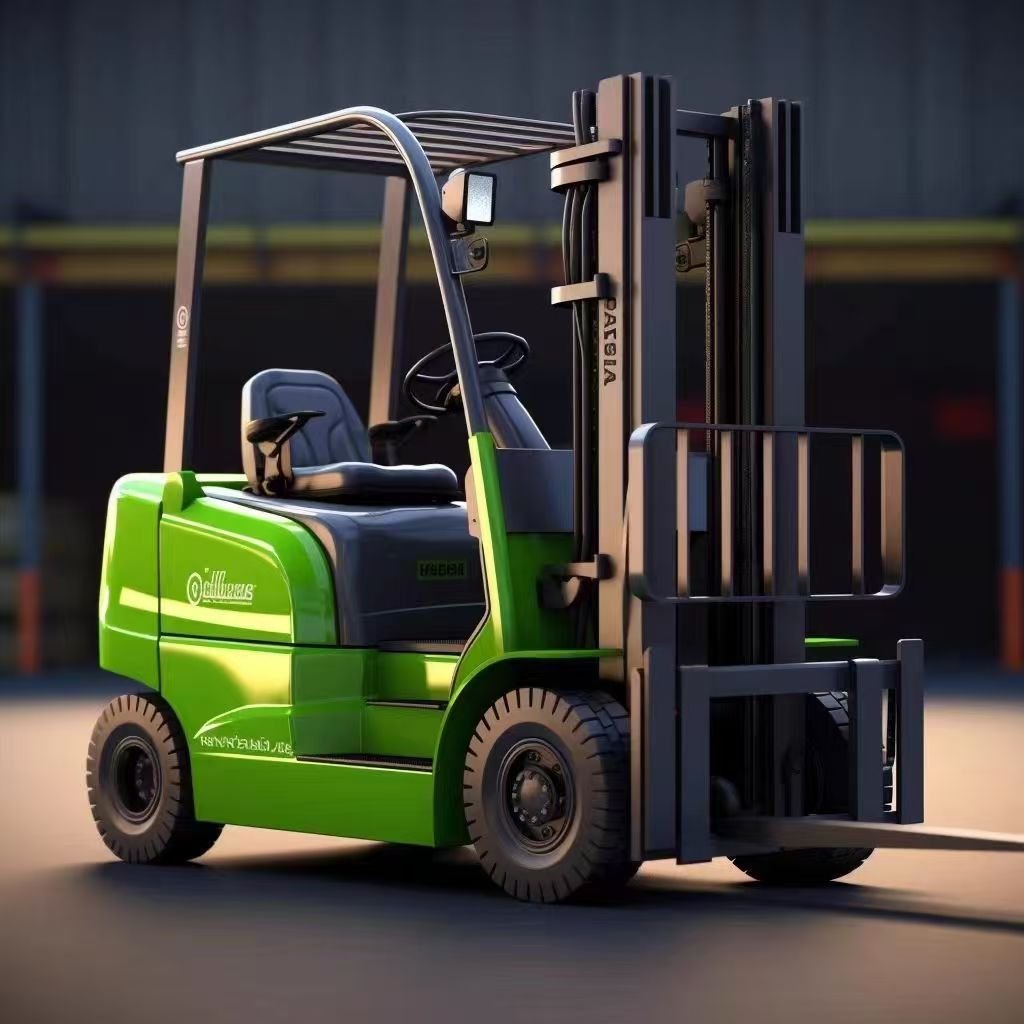
How to choose a new energy electric forklift company? 5 Key Evaluation Indicators and Procurement Cost Reference
Driven by the "dual carbon" target and high fuel costs, more and more manufacturing, warehousing and logistics companies are turning their attention to new energy electric forklifts. However, faced with numerous new energy electric forklift companies on the market, buyers often face a dilemma: should they look at battery type, motor power, or manufacturer qualifications? This article, from a practical procurement perspective, directly answers "how to select reliable new energy electric forklift companies" and provides quantifiable evaluation indicators and budget references.
I. Why have new energy electric forklifts become a new procurement trend?
Although traditional internal combustion forklifts are powerful, exhaust emissions, noise, and fuel consumption are becoming increasingly prominent in indoor warehousing scenarios. New energy electric forklifts (mainly referring to lithium battery and hydrogen fuel cell models) have advantages such as zero emissions, low noise, and high energy conversion efficiency (up to 85% or more). Taking a 3-ton lithium-ion battery forklift as an example, the hourly electricity cost is about one-third that of a fuel-powered forklift, and it eliminates the hassle of engine maintenance. Therefore, choosing a technologically mature new energy electric forklift company directly affects operating costs over the next 5-8 years.
II. 5 Key Indicators for Evaluating New Energy Electric Forklift Companies
When comparing new energy electric forklift companies, buyers are advised to rate them based on the following five dimensions (out of 5):
- 1. Battery system and battery life: Do lithium battery packs use cells from top-tier brands (such as CATL and BYD)? Is the nominal range based on actual operating conditions (e.g., full-load hill climbing, continuous operation)? The supplier is required to provide a third-party range test report and specify the battery cycle life (typically ≥2000 cycles).
- 2. Motor and electrical control efficiency: Permanent magnet synchronous motors are 8%-12% more efficient than AC asynchronous motors and are smaller in size. The electronic control system should have an energy recovery function and be able to reverse charge when going downhill or braking.
- 3. Security and Certification: Has the company passed ISO 9001, CE, UL, etc. certifications? Is the forklift equipped with OPS (Operator Presence Sensing System), blue dot safety light, and anti-skid function? These details reflect the manufacturer's design maturity.
- 4. After-sales network and response time: The repair of new energy forklifts relies on professional electricians, requiring manufacturers to have service outlets within 300 kilometers of the purchaser and to promise to arrive within 24 hours. After-sales evaluations from existing customers may be requested.
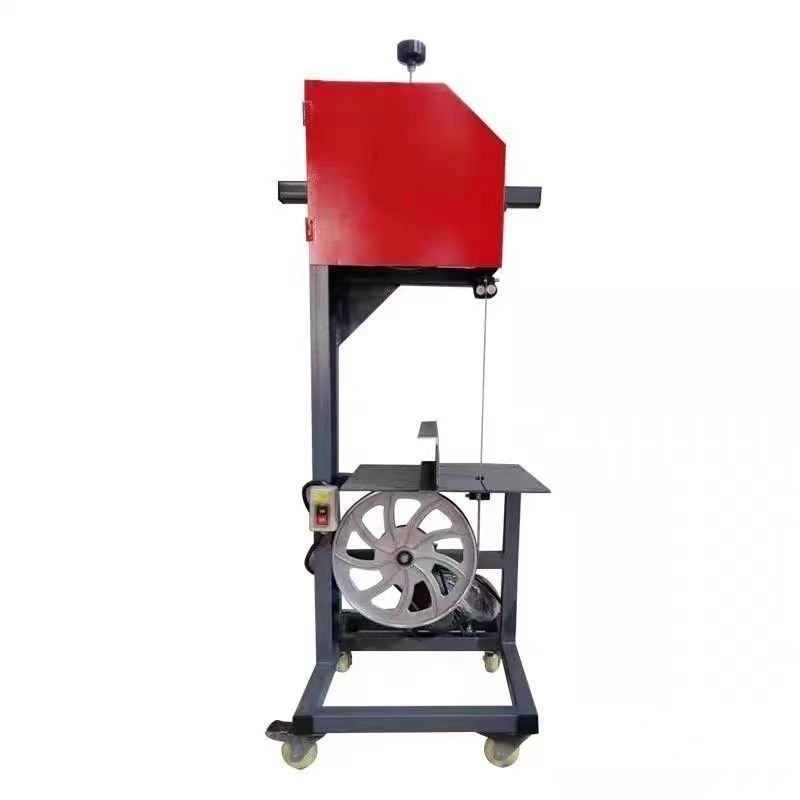
- 5. Customization and integration capabilities: If you also need concrete delivery pump or Precision folding sliding table saw For equipment such as these, priority should be given to suppliers who can provide multi-category collaboration to reduce overall procurement costs.
III. Budget Reference for New Energy Electric Forklifts of Different Tonnages
The following prices are the domestic market reference prices including tax (excluding subsidies) in 2025. The actual transaction price will fluctuate by 10%-15% depending on allocation and order volume:
- 1.5-2 ton lithium battery forklift: 80,000-120,000 RMB. Suitable for lightweight warehousing and e-commerce sorting.
- 3-ton lithium battery forklift: 130,000-180,000 RMB. Mainstream models, suitable for manufacturing workshops and port shuttles.
- Heavy-duty lithium battery forklifts over 5 tons: 250,000-400,000 RMB. To customize a large-capacity battery, it is recommended to contact the technical team of the new energy electric forklift company directly.
- Hydrogen fuel cell forklift: Currently, the purchase cost is about 1.8-2.2 times that of lithium battery models, but the hydrogen refueling time is only 3-5 minutes, making it suitable for three-shift continuous operation scenarios.
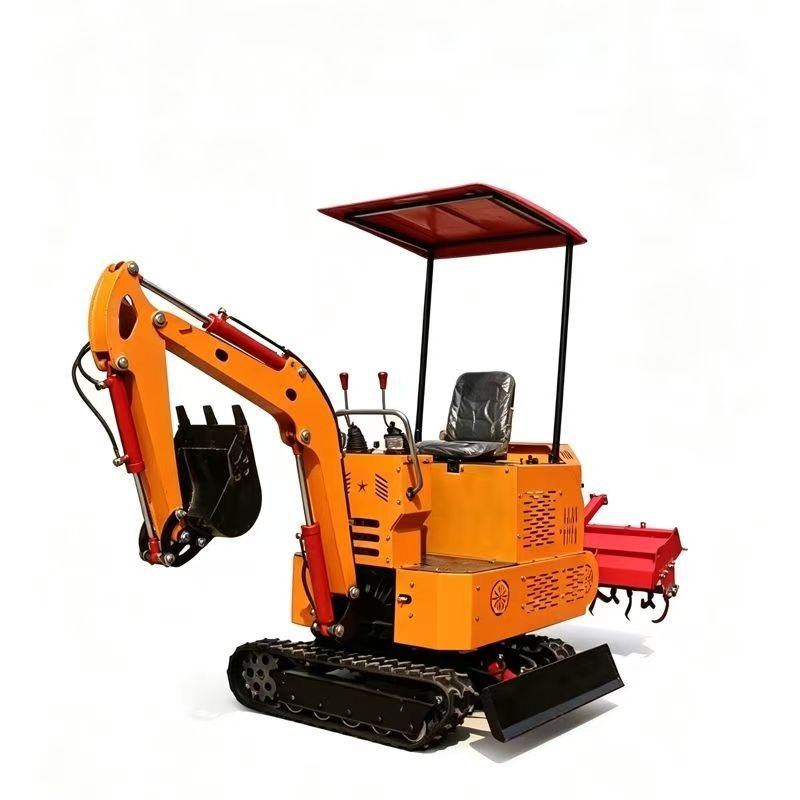
In addition, if your work scenario involves outdoor earthmoving or agricultural tillage, you can pay attention to Mini excavator (excavator + rotary tiller integrated machine) This enables multiple uses of one machine and reduces idle equipment.
IV. Common Pitfalls in Procuring New Energy Electric Forklift Companies
1. Falsely claiming battery life: Some companies use no-load and constant-speed data to impersonate full-load operating conditions, resulting in a 40% discount in actual battery life. Make sure to stipulate in the contract that "if the battery life does not meet the standards, it can be returned or exchanged".
2. Battery warranty reduced: They verbally promised a 5-year warranty, but the contract stated "3 years or 600 cycles". The scope of warranty is required to be clearly defined (battery cells, BMS, complete package).
3. Refurbished battery cells: The allure of low prices may lie in the tiered use of battery cells, whose lifespan is only 50% that of new battery cells. Proof of battery cell procurement is required.
V. Summary: Identifying High-Quality Suppliers in Three Steps
The first step is to select 3-5 new energy electric forklift companies and require them to provide battery specifications, range test reports, and industry case studies; The second step is to conduct an on-site inspection of the factory, focusing on the battery cell warehouse, aging test line, and after-sales spare parts warehouse; The third step is to test 1-2 units in small batches and record the actual energy consumption, failure rate and after-sales response speed. Only by combining technical specifications with commercial terms can a new energy electric forklift truly suit its own operating conditions be selected.