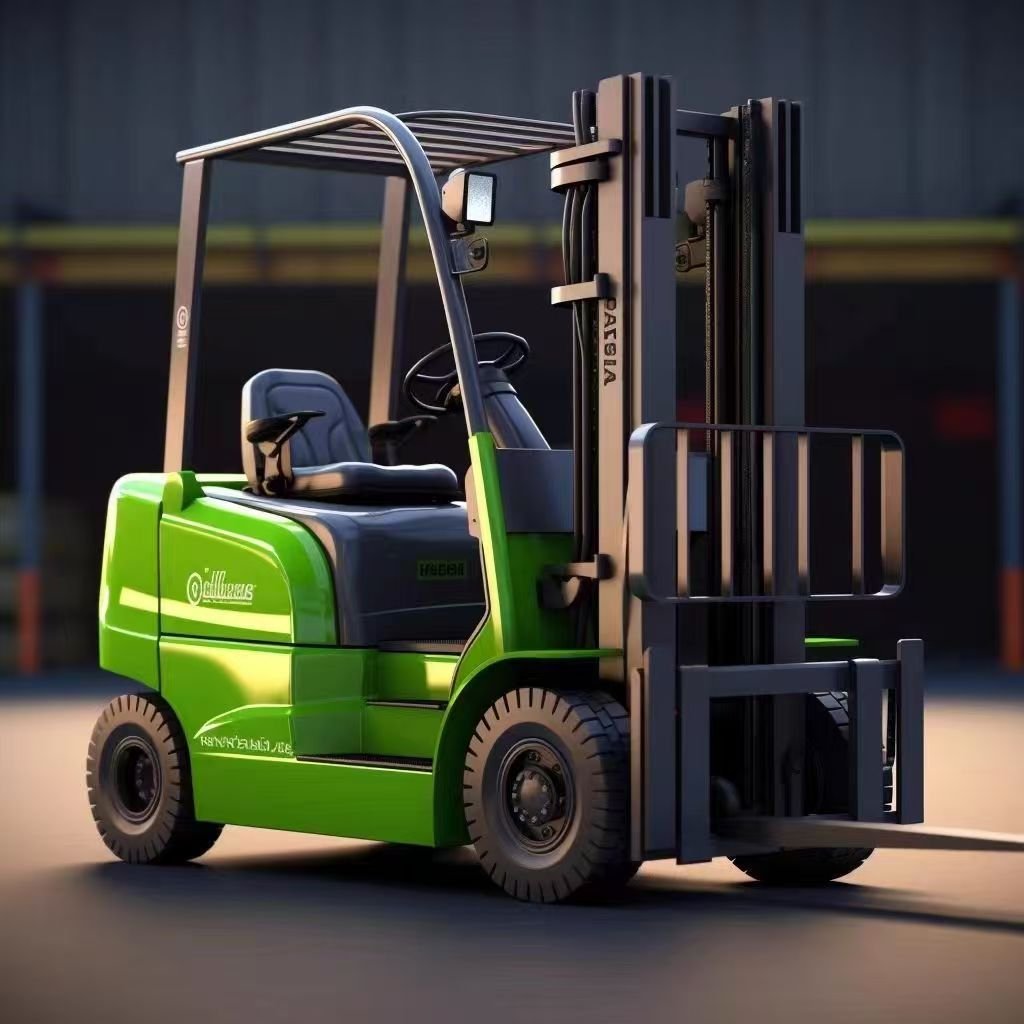
How to choose a new energy electric forklift? 5 Key Parameters and Procurement Guidelines
With warehousing and logistics costs continuing to rise, new energy electric forklifts are becoming the preferred choice for more and more B2B buyers due to their lower operating costs and zero emissions. But faced with a dazzling array of brands and configurations on the market, how do you make an accurate selection? This article, from a procurement perspective, extracts five key parameters that determine user experience and return on investment, helping you quickly identify the model that suits your operating conditions.
1. Battery Type and Capacity: Determine Range and Charging Strategy
The core of new energy electric forklifts lies in the battery. Currently, the mainstream solution is lithium iron phosphate batteries, which typically have a cycle life of over 3,000 cycles, far exceeding the 800-1200 cycles of traditional lead-acid batteries. When purchasing, focus on battery capacity (kWh) and voltage platform. For example, 1.5-ton forklifts used in light operating conditions are usually equipped with 48V/400Ah batteries, which have a range of about 6-8 hours; Under heavy working conditions, it is recommended to choose an 80V platform and appropriately increase the capacity. If a battery swapping mode is used, it is also necessary to confirm the standardization of the battery pack and the compatibility of the battery swapping equipment.
2. Rated load and lifting height: match actual handling needs
The rated load is the basic parameter for forklift selection, but it should be noted that the manufacturer's nominal value is usually based on the standard load center distance (usually 500mm). If the actual center of gravity of the goods is shifted, the load must be reduced according to the graph. The lifting height directly affects the shelving layout, with the maximum lifting height of common three-stage gantry frames reaching more than 6 meters. When purchasing, a comprehensive assessment should be made based on the net height of the warehouse, the number of shelf layers, and the size of the goods to avoid investment waste caused by "large horses pulling small carts".
3. Drive and hydraulic systems: Impact on efficiency and maintenance costs
New energy electric forklifts mostly use AC drive motors, which are maintenance-free and highly efficient. In the hydraulic system, fully hydraulic steering and load-sensitive variable pumps can significantly reduce energy consumption. When purchasing, it is necessary to confirm whether the power of the drive motor (e.g., walking motor 5-8kW) and the power of the hydraulic motor match the load. In addition, the braking system recommends prioritizing regenerative braking, which can recover energy and extend range.
4. Safety and intelligent configuration: Enhancing operational security
Modern electric forklifts have evolved from simple handling tools to intelligent terminals. When purchasing, pay attention to the following configurations: OPS (Operator Presence Sensing System), blue dot collision avoidance lights, speed limit function, and fleet management system interface. For multi-shift work scenarios, a driver identification and working hour statistics module can be considered to facilitate safety management and performance accounting. While these configurations increase initial costs, they can effectively reduce the risk of accidents.
5. Full lifecycle costs: Calculate the overall ledger before making decisions.
The procurement cost of new energy electric forklifts is usually higher than that of internal combustion forklifts, but their operating cost advantage is obvious. Taking a 1.5-ton model as an example, the hourly electricity cost of an electric forklift is about one-third of the fuel cost of an internal combustion forklift, and there are fewer maintenance requirements. It is recommended that buyers calculate TCO (Total Cost of Ownership) based on a 5-year lifespan, including: purchase cost, energy costs, maintenance, battery replacement (if not under lifetime warranty), and residual value. At the same time, it is necessary to confirm the supplier's after-sales network coverage and the timeliness of spare parts supply to avoid downtime losses.
In summary, choosing a new energy electric forklift requires a comprehensive weighing of five dimensions: battery, load capacity, drive, safety, and TCO. It is recommended to clarify your own peak working condition requirements before purchasing and request actual measurement data and industry cases from suppliers. For more information on selecting new energy logistics equipment, please visit Product Center Or check Industry News 。