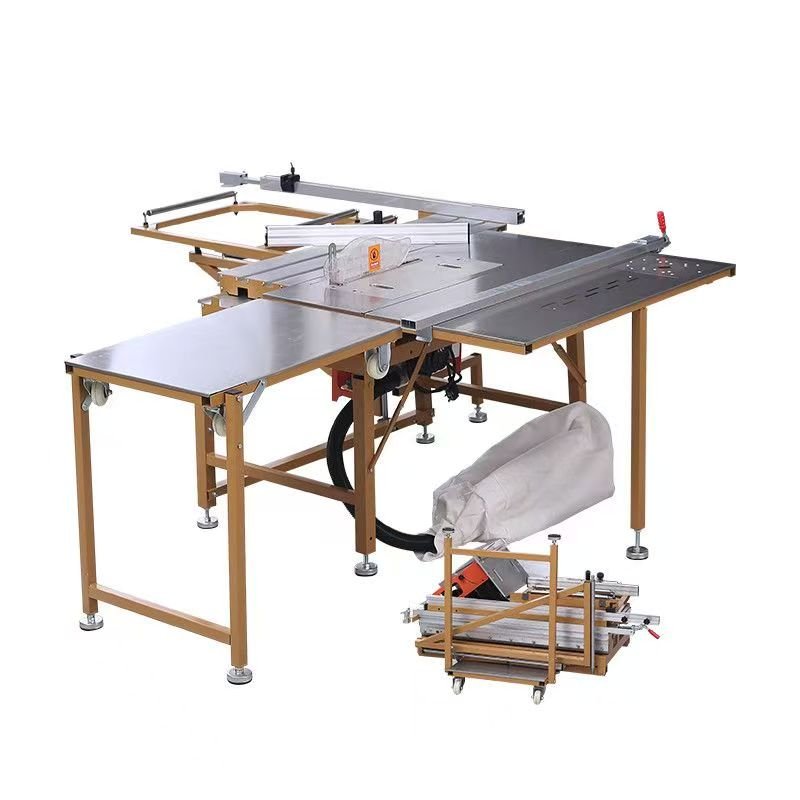
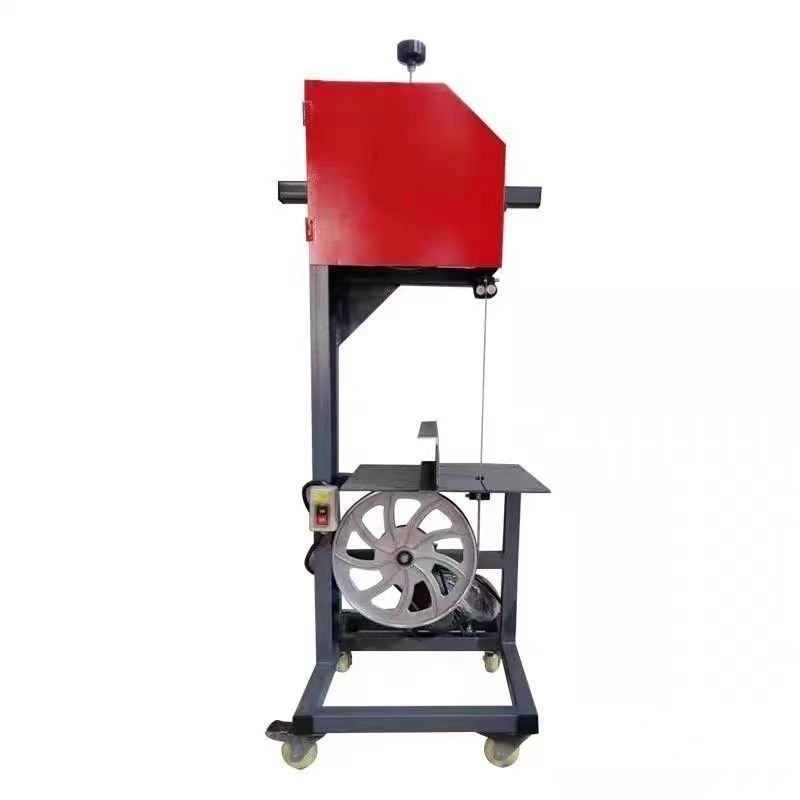
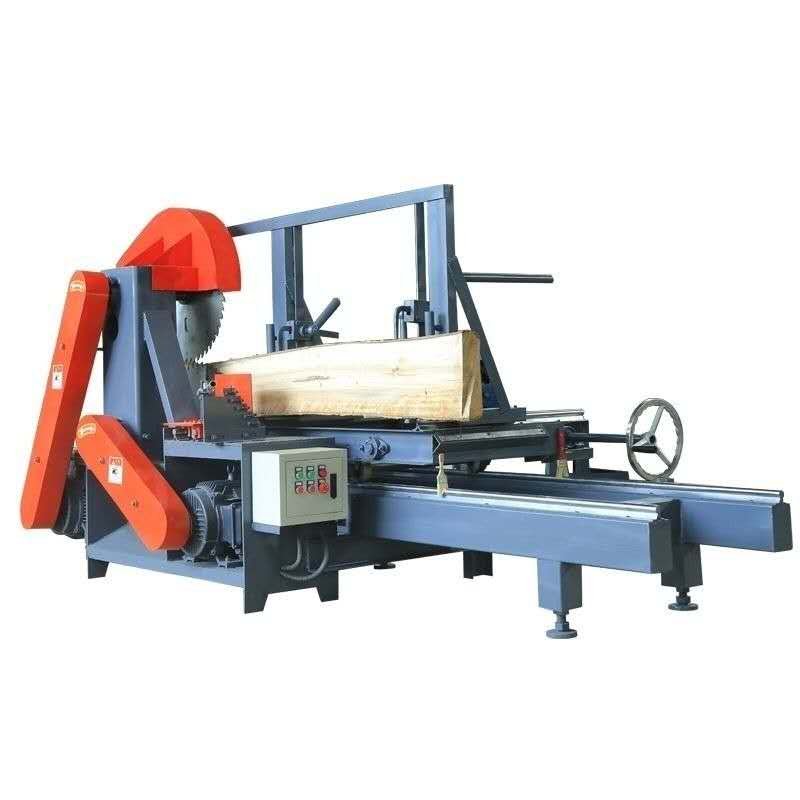
In the field of woodworking machinery processing, dish workpieces (such as pallets, fruit plates, decorative plates) are common product types, which are widely used in furniture, handicrafts and catering industries. However, many woodworking enterprises, especially small and medium-sized factories, often regard disc processing as a simple operation, ignoring the key points of process accuracy and equipment selection. This paper will explore how to complete the turning of disc workpieces efficiently and with high quality from three dimensions: technical points, application scenarios and equipment selection, so as to help buyers optimize the production process and enhance the added value of products.
1. Key points of core technology of disc workpiece processing
The turning of disc workpieces seems simple, but in fact, there are strict requirements for tool path, rotational speed control and clamping mode. First of all, Moisture content of wood Is the key factor affecting the stability of the finished product. It is recommended that the moisture content of wool should be controlled between 8% and 12% to avoid deformation and cracking caused by dry shrinkage and wet swelling after processing. Secondly, Turning speed It needs to be adjusted according to the hardness of wood: 800-1200 rpm can be selected for softwood (such as pine), and 600-900 rpm is recommended for hardwood (such as oak and walnut). Too high speed is easy to produce burning marks. In addition, tool angle It is crucial that the rake angle of the turning tool should be kept at 15°-20° and the rear angle at 10°-15° to ensure smooth cutting and reduce edge chipping.
In clamping mode, disc workpieces are often fixed by chuck or flower disk. For large diameter thin-walled parts, it is recommended to use vacuum suction cups or special fixtures to reduce workpiece vibration and improve surface finish. At the same time, the turning process should be divided into two steps: rough turning and finish turning, leaving a margin of 1-2mm during rough turning, and adopting a small feed rate (0.1-0.3mm/revolution) during finish turning, which can obtain more delicate texture.
Typical application scenarios of disc workpieces
Disc workpieces occupy an important position in a number of industries. In Furniture Manufacturing Field, round table tops, decorative trays, etc. are common elements in living rooms and dining rooms, requiring smooth surfaces and rounded edges, which require high turning accuracy. In Crafts industry Products such as wooden fruit plates and candlestick bases pay attention to the aesthetic appearance and feel, and often require complicated curved surface turning. In addition, Catering industry The wooden dinner plates and sushi plates used not only require hygiene and safety, but also need heat-resistant and moisture-proof characteristics, which put forward higher requirements for wood treatment and surface coating.
In the case of a pallet, the diameter is typically between 200-400 mm and the thickness is 10-20 mm. When machining such workpieces, in addition to turning, post-processing such as sanding, waxing or painting is required. If the traditional manual lathe is adopted, the efficiency is low and the consistency is poor; The use of numerical control lathe (CNC) can realize mass production, and the tolerance is controlled within ±0.1mm, which greatly improves the product quality.
3. Suggestions on Equipment Selection for Disc Processing
According to the production requirements of different scales, equipment selection should be emphasized. For Small workshop or customized production Lightweight woodworking lathe can be selected, such as power 1.5kW-2.2kW, center distance 600-1000mm, with continuously variable speed function, which can adapt to a variety of wood. This kind of equipment has low investment cost and high flexibility, but its production efficiency is limited.
For Medium-scale batch production It is recommended to choose a CNC woodworking lathe, which has the functions of automatic feeding and multi-axis linkage, and can process complex curved surfaces. Key parameters include spindle speed range (200-3000 rpm), machining diameter (maximum above 400mm) and positioning accuracy (±0.05mm). At the same time, it is equipped with a dust collection system to ensure a clean workshop environment.
For Large factory Consider integrating an automated production line to connect turning, sanding, testing and other processes in series to realize unmanned processes throughout. When purchasing, be sure to pay attention to the rigidity and stability of the machine tool, which directly affects the machining accuracy and equipment life. It is recommended to inspect the operation of the equipment on the spot, and request to provide test pieces for processing tests.
In addition, regardless of the equipment you choose, you need to pay attention to Safety protection : The lathe shall be equipped with an emergency stop button and a protective cover, and the operator shall have undergone professional training. In terms of maintenance, regular checks for spindle bearings, rail lubrication, and tool wear can effectively extend the service life of the equipment.
For more information on the selection parameters and latest technology of woodworking lathes, visit our Product Center Or browse INDUSTRY INFORMATION Get cutting edge dynamics.
sum up
Although the processing of disc workpieces is not complicated, in order to improve the efficiency while ensuring the quality, it must be comprehensively considered from many aspects such as wood treatment, tool parameters and equipment selection. It is recommended that enterprises choose suitable lathe types according to their own production capacity and product positioning, and pay attention to process details. Through reasonable planning, dish processing can not only become the profit growth point of enterprises, but also show the charm of woodworking skills. For further discussion, please contact our technical team.