From podcasts to sourcing: How the refurbishment of used woodworking tools and Nordic woodworking culture affect the B2B supply chain
A recent well-known woodworking podcast (ShopNotes Podcast No. 288), with the theme of "Vikings are a full-time job", shared listener comments, techniques for renovating old tools, and experiences on the Danish-Swedish woodworking journey. This program may seem like a chat between enthusiasts, but it reflects several noteworthy trends in B2B woodworking machinery and tool procurement: the renovation and reuse of used equipment, the profound impact of Nordic design on tool ergonomics, and End user feedback on how to reverse drive supply chain selection. For purchasing managers, dealers and manufacturers, understanding these trends can help find a balance between cost control, inventory optimization and product differentiation.
Refurbishment of old tools: win-win results in cost and sustainability in B2B procurement
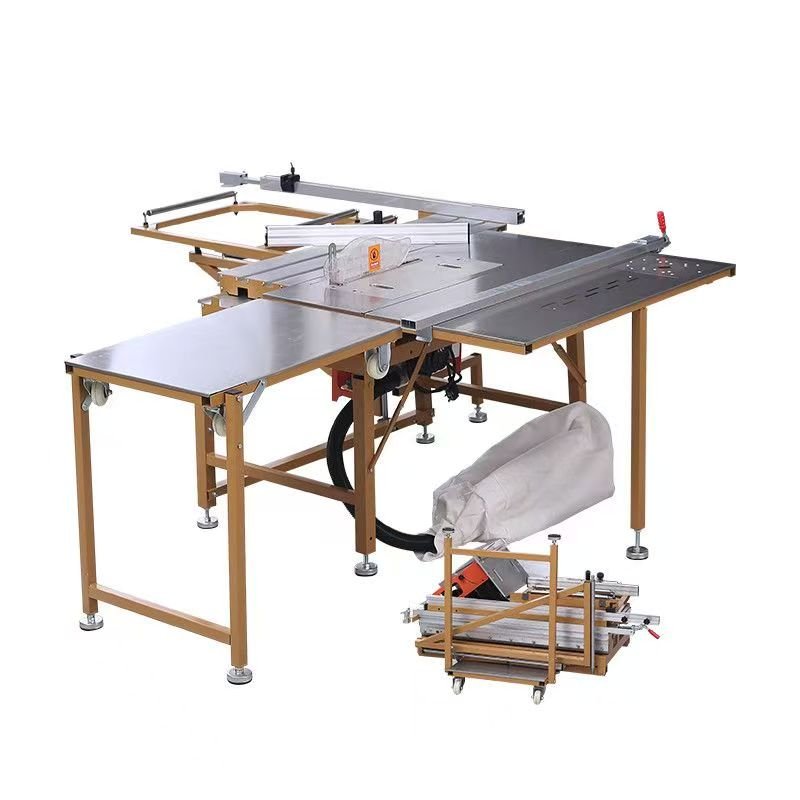
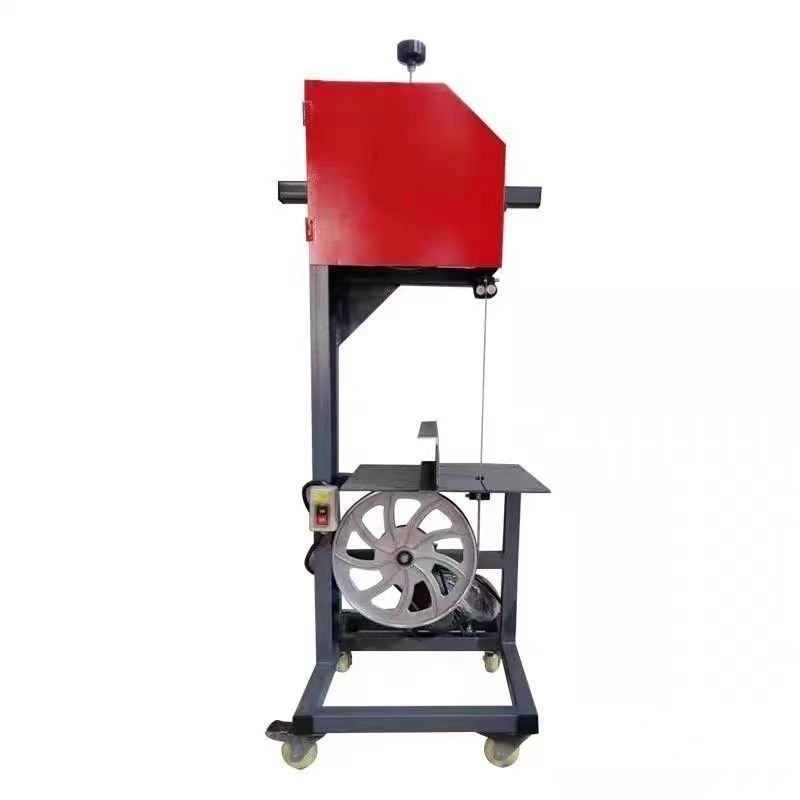
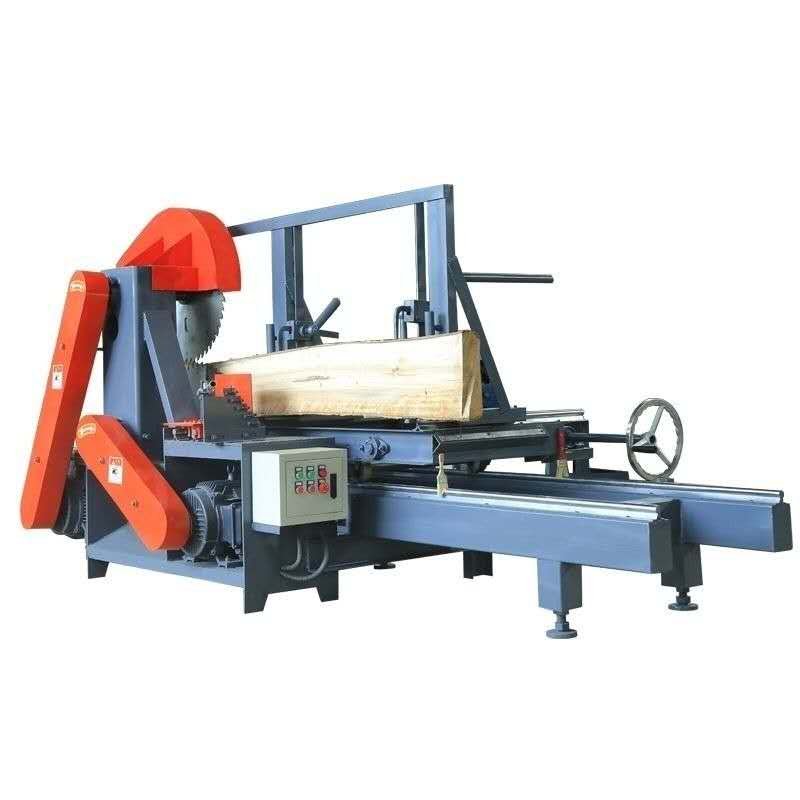
The podcast discussion of "fixing old tools" is not nostalgia, but a pragmatic economic choice in the B2B space. In woodworking workshops, furniture manufacturers and building construction sites, a large number of old but well-structured band saws, table saws, planers and handheld power tools are left idle due to burned motors, worn bearings or corroded guide rails. Through a systematic renovation process, these equipment can be restored to near original accuracy, and the cost is usually only 30%-50% of the newly purchased equipment.
From a procurement perspective, refurbished tools are particularly suitable for non-critical processes, alternate production lines or training scenarios. For example, if a renovated 15-inch press plane is replaced, the parallelism of the workbench is corrected, and the sharpening blade is re-sharpened, its processing accuracy can be controlled within 0.1 mm, which is enough to meet most solid wood processing needs. We recommend that the purchaser establish a "renovation evaluation list", focusing on checking the radial runout of the main shaft, guide rail wear and electrical insulation resistance. For buyers who want to purchase refurbished equipment in bulk, you can visit ourproduct catalog, screen for certified remanufactured woodworking machinery.
In addition, the renovation business is also in line with the EU Circular Economy Action Plan and domestic "double carbon" goals. According to industry estimates, for every renovation of a medium-sized woodworking machine tool, carbon emissions can be reduced by approximately 1.2 tons of carbon dioxide equivalent. For companies with ESG assessment requirements, incorporating renovated equipment into their asset portfolios is a low-cost carbon reduction path.
Enlightenment from Nordic woodworking culture for tool design: Ergonomics and durability
The Danmark-Sweden journey mentioned in the podcast drew many listeners 'attention to the profound influence of the Nordic woodworking tradition on modern tool design. Woodworking in the Viking era focused on shipbuilding and construction, emphasizing the reliability of tools in cold and humid environments and the comfort of long-term handheld operations. This gene continues to this day: Nordic brands such as Sweden's Bahco, Denmark's Nilfisk, etc. have unique characteristics in saw blade heat treatment, handle coating materials and center of gravity distribution.
For B2B buyers, this means that when evaluating woodworking tools, you cannot just look at price and power parameters. The following three dimensions are worthy of inclusion in the supplier score card:
- Ergonomic design:The anti-slip texture, tiger's mouth support and weight distribution of the handle directly affect worker fatigue. Nordic tools usually move the center of gravity forward to reduce wrist torque and are suitable for long-term and meticulous operations.
- Environmental adaptability:The Nordic climate requires tools to maintain lubrication and battery efficiency at low temperatures. If your factory is located in a high-humidity or low-temperature area, preference will be given to power tools that have been verified by salt spray testing and low-temperature discharge.
- Maintainability:Most Nordic tools adopt a modular design, and carbon brushes, switches and gearboxes can be replaced separately, extending the entire life cycle. This is in line with the renovation concept.
we worked onindustry informationAfter analyzing the import data of Nordic woodworking machinery, we found that China's imports of woodworking tools and accessories from Sweden and Denmark have increased by an average of 12% annually in the past three years, of which ergonomically improved products account for more than 60%.
How end-user feedback drives B2B selection: From podcast comments to purchasing decisions
Another main theme of this podcast is "listener comments"-users will share their real-life experience using a tool, including advantages, faults and modification options. This kind of UGC (user-generated content) has reference value for B2B procurement, because feedback from front-line carpentry and workshop managers is often more authentic than manufacturer brochures. For example, a best-selling portable table saw was repeatedly pointed out in the podcast comment section that "the backing locking mechanism is easy to loosen", and the brand subsequently strengthened the specifications of the locking bolt in the next generation of products.
Buyers can establish a "user feedback collection mechanism":
- Regularly collect operation complaints and modification suggestions from workshop teams on existing tools, and sort them according to failure frequency.
- Focus on discussion topics in vertical communities and podcasts, identify common flaws, and use them as vetoes for supplier reviews.
- In bidding for new equipment, suppliers are required to provide use reports from at least three similar companies and allow on-site testing.
It is worth noting that user feedback from refurbished tools is equally important. If repeated failures occur in the renovated equipment, it means that the original design is defective, and the purchaser should avoid purchasing second-hand equipment of the same model in bulk. Conversely, if a model performs stably after renovation, it can be used as an alternative for long-term procurement.
Selection suggestions: Balancing new purchase, renovation and leasing
Based on the discussions in the podcast and B2B procurement practices, we recommend that companies adopt a mixed strategy based on frequency of use, accuracy requirements and budget:
- High-frequency core equipment:For example, CNC machining centers and high-precision push-table saws are given priority to new purchases to ensure after-sales and precision stability.
- Low-frequency auxiliary equipment:For example, belt machines and vacuum cleaners, certified refurbished machines can be purchased, and the cost can be reduced by about 40%.
- Short-term project equipment:Consider leasing to avoid idle assets. There are mature woodworking machinery rental platforms in the Nordic market, and they are also emerging in China.
No matter which method is chosen, suppliers should be required to provide clear accuracy test reports and warranty terms. For refurbished equipment, the recommended warranty period is no less than 6 months and covers the spindle and motor.
summary
The value of a woodworking podcast goes far beyond entertainment. It reveals three changes taking place in the B2B woodworking industry: refurbishing old tools is moving from the fringes to the mainstream, Nordic ergonomic design is becoming a differentiating selling point, and end-user feedback is reshaping procurement standards. For purchasers, incorporating refurbishment into the supply chain, referring to Nordic design concepts, and establishing a user feedback loop can reduce the total cost of ownership of tools by 15% to 30% without sacrificing quality. In the future, enterprises that can integrate renovation services, data-driven selection and sustainable procurement will occupy a more favorable position in competition.