Introduction: From "self-imposing limits" to "pushing boundaries"
In the carpentry and construction machinery industry, we often hear such voices: "We use this kind of equipment all the time, there is no need to replace it with a new one." Or "We can't do this kind of craft because the equipment doesn't support it." This kind of thinking is essentially a kind of "self-limiting", just like a carpenter making chairs based on experience alone. Although it can solve the immediate problem, it is difficult to break through the bottleneck of the craft. In fact, the advancement of modern woodworking machinery and construction machinery is precisely to break these restrictions and allow enterprises to change from "what I can do" to "what I want to do". This paper will explore how to break through production limitations and enhance competitiveness through equipment innovation from three dimensions: technology upgrade, scenario application and model selection strategy.
1. Technological upgrade: qualitative change from "usable" to "easy to use"
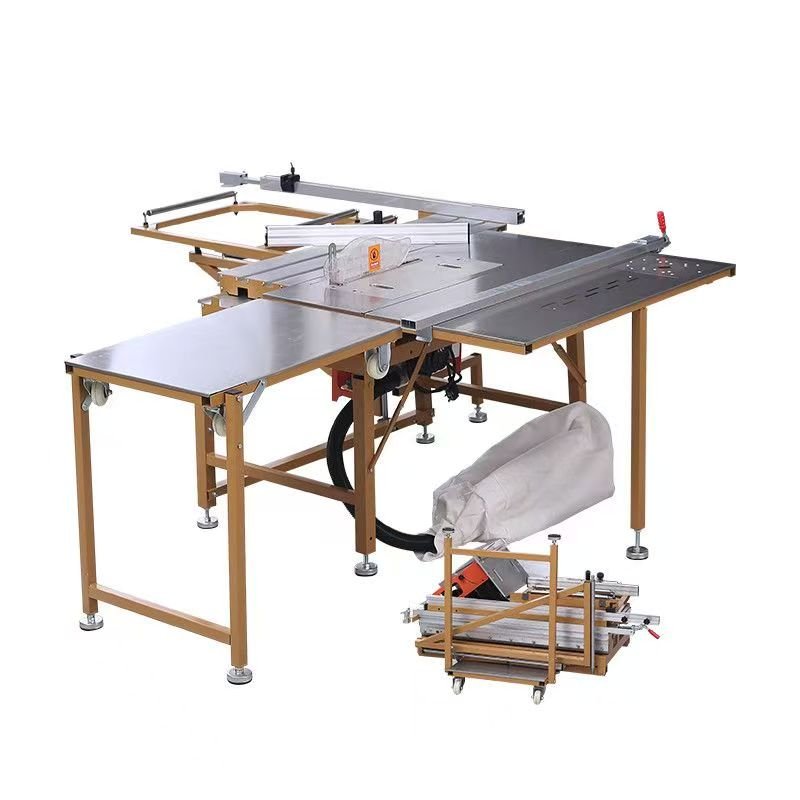
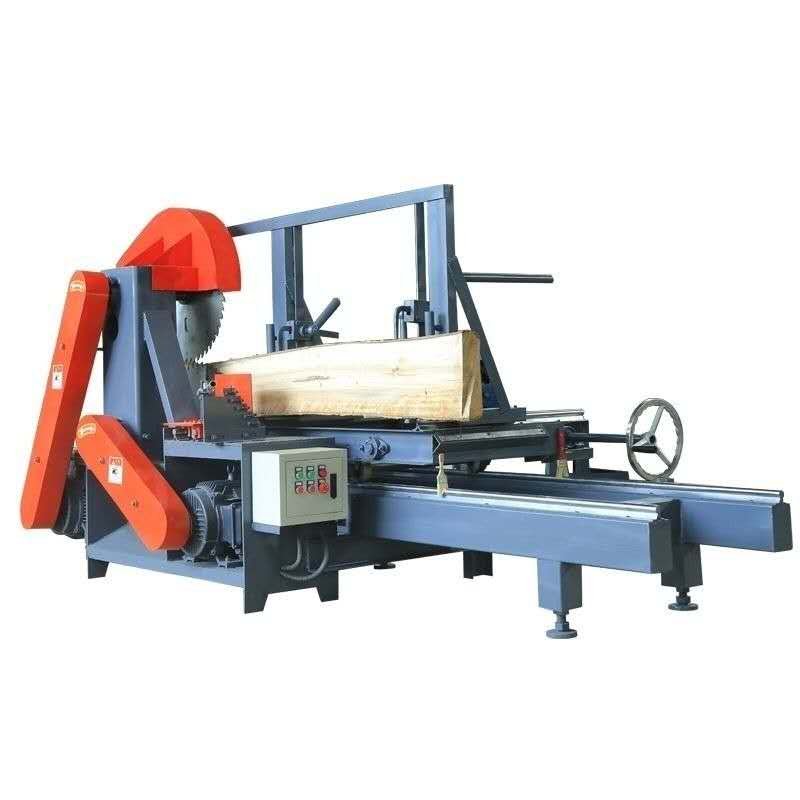
Traditional woodworking machinery often relies on human experience, and accuracy and efficiency are limited by operator skills. Modern CNC woodworking machinery, such as five-axis machining center, driven by CAD/CAM software, can realize one-time forming of complex curved surfaces with repeatability of ±0.1mm. This improvement in accuracy not only reduces scrap rates, but also emboldens designers to try more complex structures. Take solid wood furniture as an example. Traditional mortise and tenon processing requires high-skilled woodworking, while CNC mortise opening machine can complete a high-precision mortise in 3 minutes, increasing the efficiency by more than 5 times. The same is true in the field of construction machinery, where hydraulic excavators, for example, are equipped with an intelligent control system that automatically adjusts power according to the load, reducing fuel consumption by 15% while extending equipment life. These technological breakthroughs are the key to breaking the "manpower restriction".
2. Application scenario: How to expand the production boundary of equipment
Equipment upgrades not only solve existing problems, but also create new application possibilities. For example, the demand for customization in the woodworking industry is growing day by day, and traditional assembly lines struggle to cope with small batches and multi-variety orders. The flexible manufacturing unit (FMC) can switch machining tasks online through automatic tool change and programmable logic controller (PLC), and the switching time is shortened from 2 hours to 10 minutes, allowing enterprises to easily take personalized orders. In the field of construction machinery, remote-controlled excavators can be operated in dangerous environments (such as slope cleaning and underwater operations) to ensure the safety of personnel and expand the scope of operation.
Additionally, the intelligent maintenance system monitors equipment status in real-time through IoT sensors, and predictive maintenance reduces unplanned downtime by 30%. For example, vibration monitoring systems can warn bearing failures in advance and avoid production interruption. The expansion of these application scenarios is the embodiment of the upgrade of equipment from "tools" to "productivity engines".
3. Selection suggestions: from "empiricism" to "data-driven"
In the face of many devices, buyers often fall into the trap of "parameter comparison" and ignore their own production pain points. Scientific selection should be based on the following steps:
- Requirements analysis: Clarify whether the current bottleneck is efficiency, precision or flexibility? For example, if the product is mainly special-shaped parts, five-axis linkage equipment should be selected instead of three-axis.
- Return on investment calculation: The payback period is calculated by considering equipment depreciation, maintenance costs, energy consumption and labor savings. For example, if a CNC edge banding machine replaces three workers, the annual cost per capita is 60,000 yuan, and the annual saving is 180,000 yuan. If the equipment price is 360,000 yuan, the payback period is 2 years.
- Supplier Assessment: Investigate the supplier's after-sales service, spare parts supply and training system. Priority is given to brands that offer remote diagnostics and localization services.
- Test Machine Verification: It is required to use your own workpiece for trial machining to verify the actual effect, rather than just looking at the sample parameters.
At the same time, pay attention to the scalability of the equipment, such as whether it supports subsequent automation upgrades (such as manipulator loading and unloading) to avoid secondary investment. More selection tips can be referred to INDUSTRY INFORMATION 。
IV. Case analysis: How to break through production restrictions in equipment upgrade
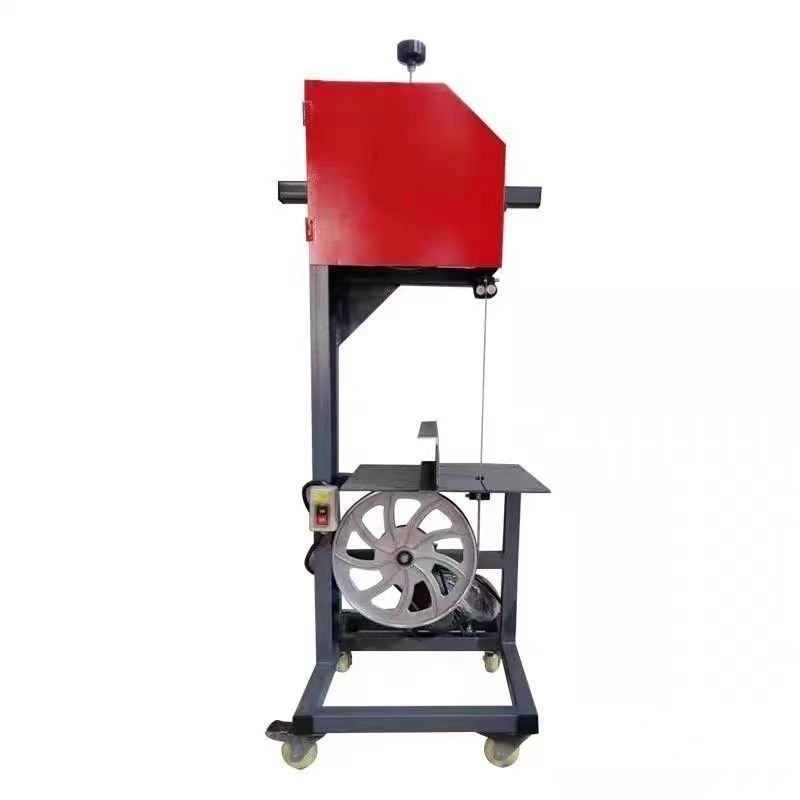
A medium-sized furniture factory originally used traditional band saw and hand polishing, the product accuracy is poor and the efficiency is low. After the introduction of CNC band saw and sander, not only the cutting accuracy is increased to ±0.5mm, the grinding process is automated, the production capacity is increased by 3 times, but also the mass production of special-shaped parts is realized. Similarly, a construction machinery rental company introduced intelligent compaction equipment, which reduced rework and greatly improved customer satisfaction through real-time monitoring of compaction degree. These cases prove that equipment upgrades are a direct way to break the "self-imposed limits".
sum up
"Self-limiting" often stems from reliance on existing equipment and processes. In the fierce market environment, enterprises should actively embrace new technologies and break through production bottlenecks through equipment upgrading. Whether it is the numerical control of woodworking machinery or the intelligence of construction machinery, it is not only the update of tools, but also the innovation of thinking. Purchasers are advised to regularly evaluate equipment performance, pay attention to cutting-edge technology in the industry, and be brave enough to experiment – just as carpenters no longer turn ideas into reality with the help of design software and CNC equipment based on experience alone. For more equipment selection, please visit our Product Center 。