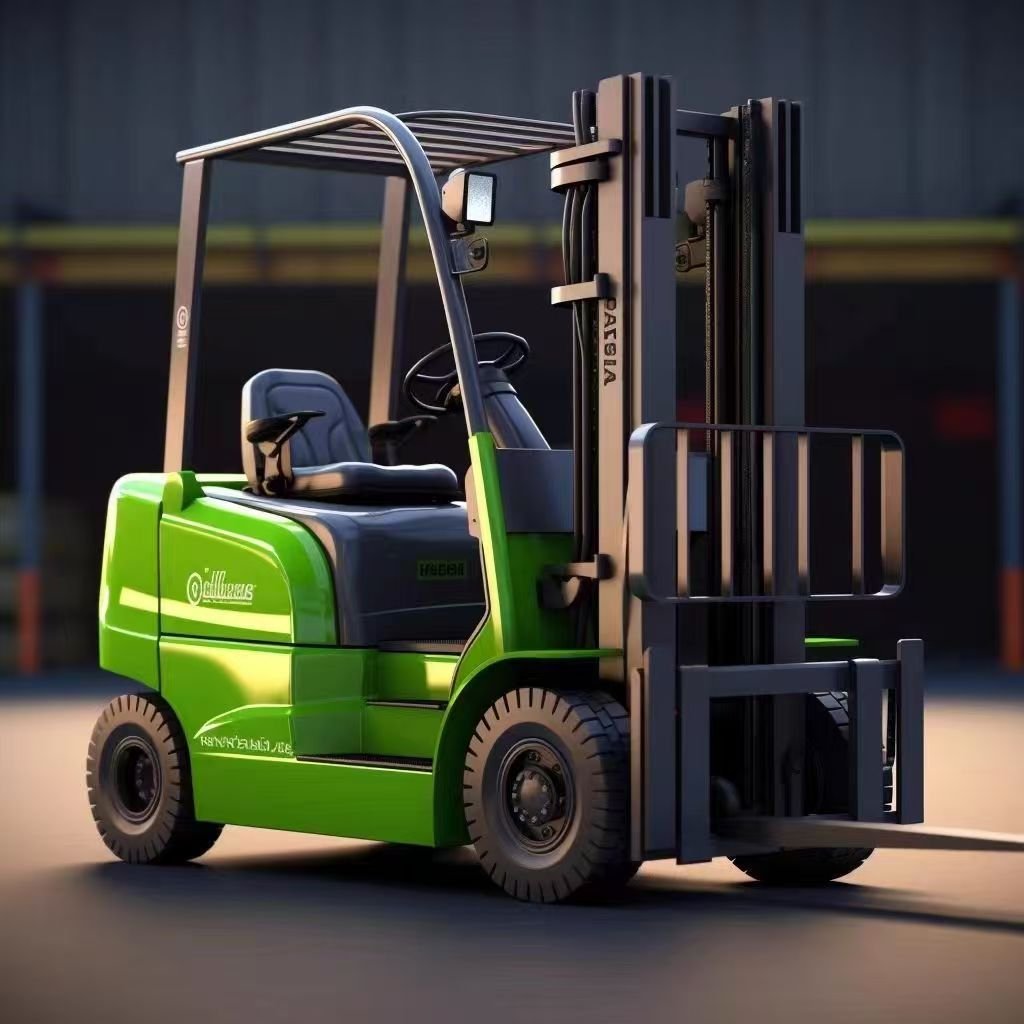
Best New Energy Electric Forklift UK: 2024 Procurement Guide for B2B Buyers
If you're looking for the best new energy electric forklift in the UK , you're likely a procurement manager or operations director looking to reduce emissions, cut operating costs, and comply with tightening UK regulations. This guide cuts through the noise and gives you a practical framework to evaluate, specify, and purchase a new energy electric forklift that fits your warehouse, yard, or production facility. We'll cover key technical parameters, UK-specific compliance, cost considerations, and real-world selection tips—so you can make a confident buying decision.
1. What Makes a Forklift 'New Energy'? Core Technologies Compared
New energy electric forklifts typically fall into three categories: lithium-ion batteries, hydrogen fuel cells, and hybrid systems. For most UK B2B buyers, lithium-ion is the dominant choice due to its falling cost, fast charging, and zero emissions at point of use. Unlike traditional lead-acid batteries, lithium-ion units offer the opportunity to charge (plug in during breaks) without damaging battery life, and they maintain consistent power until depletion. Hydrogen fuel cells are gaining traction for heavy-duty, multi-shift operations but require hydrogen infrastructure—still limited in the UK. Die Hybrid-Systemen wurde in forklifts und generalisiert nicht rekommended für Mainstream-Procurement.
When comparing, focus on energy efficiency (kWh per hour of operation) , battery cycle life (aim for 3,000+ cycles), and charging infrastructure compatibility. 48V lithium-ion system is common for 1.5–3.5 tonne models, while 80V systems suit higher-capacity trucks. Ensure the charger is CE-marked and compatible with UK three-phase power (400V/50Hz).
2. Key Technical Parameters for UK Procurement
UK warehouses and yards have specific constraints: aisle widths, floor loading, and outdoor exposure. Use this checklist to specify the right model:
- Load capacity: 1.5–3.5 tonnes covers most UK warehouse and light industrial applications. For heavier loads (e.g., concrete products), consider 5+ ton models.
- Lift height: Standard UK racking is 6–8m; ensure the forklift's maximum lift height exceeds your highest shelf by at least 300 mm.
- Battery capacity (kWh): Match to shift length. A 48V/400Ah battery (approx. 20 kWh) typically supports 6–8 hours of moderate use; for 12-hour operations, choose higher capacity or opportunity charging.
- Turning radius: Critical for narrow aisles. Aim for ≤2.0 m for 1.5–2.0 tonne models in UK warehouses with 3.5 m aisles.
- Tyres: Pneumatic for outdoor yards, solid for indoor smooth floors. UK weather demands good wet traction if working outside.
- Safety features: Blue spot lights, speed limiters, and operator presence systems are increasingly expected under UK HSE guidance.
So verify UKCA marking (or CE for Northern Ireland) and compliance with EN 1175 (electrical safety) and ISO 3691 (forklift safety). Ask suppliers for test certificates.
3. Cost Analysis: Purchase, Lease, and Total Cost of Ownership
In the UK, a new 2.0-ton lithium-ion electric forklift typically costs £25,000–£35,000, depending on brand, battery capacity, and attachments. Hydrogen fuel cell models are significantly higher (£45,000+) and require infrastructure investment. Leasing is popular: expect £450–£650 per month on a 5-year contract with maintenance included.
Total cost of ownership (TCO) over 5 years often favors lithium-ion: lower energy cost (approx. £0.15/kWh vs. £0.25/kWh for lead-acid with charging losses), no battery watering, and longer lifespan. However, the upfront cost is higher than lead-acid. Factor in charger installation (£1,500–£3,000) and any electrical upgrades. Government grants (e.g., through Innovate UK) may offset costs for emission-reduction projects—check eligibility.
For a detailed breakdown of equipment costs across product lines, see our products page .
4. Selecting a Supplier and Avoiding Common Pitfalls
The UK market has many suppliers, from global brands to specialist importers. Key considerations:
- After-sales support: Ensure local service engineers and spare parts availability within 48 hours. Ask for a sample service level agreement (SLA).
- Warranty: Standard is 2 years for the truck, 5 years/3,000 cycles for the battery. Read the fine print on battery degradation.
- Training: UK operators need certification (e.g., RTITB or ITSSAR). Confirm the supplier offers training or can recommend local providers.
- References: Request UK customer references in similar industries (e.g., food storage, manufacturing).
- Hidden costs: Watch for delivery charges, commissioning fees, and software subscriptions for fleet management systems.
Common pitfalls include underestimating charging infrastructure needs, buying without a site survey (leading to aisle width issues), and ignoring residual value (lithium-ion forklifts hold value well, but brand matters). Always conduct a trial or demo before committing.
For related equipment such as precision folding sliding table Saw for woodworking operations, explore our range.
5. Application Scenarios: Where New Energy Electric Forklifts Excel
New energy electric forklifts are ideal for indoor and mixed indoor/outdoor use where emissions are a concern. In the UK, they are particularly popular in:
- Food and beverage warehouses: Zero emissions at the point of use; no fumes affecting taste or safety.
- Retail distribution centres: Quiet operation for night shifts; opportunity charging aligns with break schedules.
- Manufacturing plants: Consistent power for repetitive lifting; low maintenance reduces downtime.
- Construction material yards: Models with pneumatic tires and higher ground clearance handle rough surfaces.
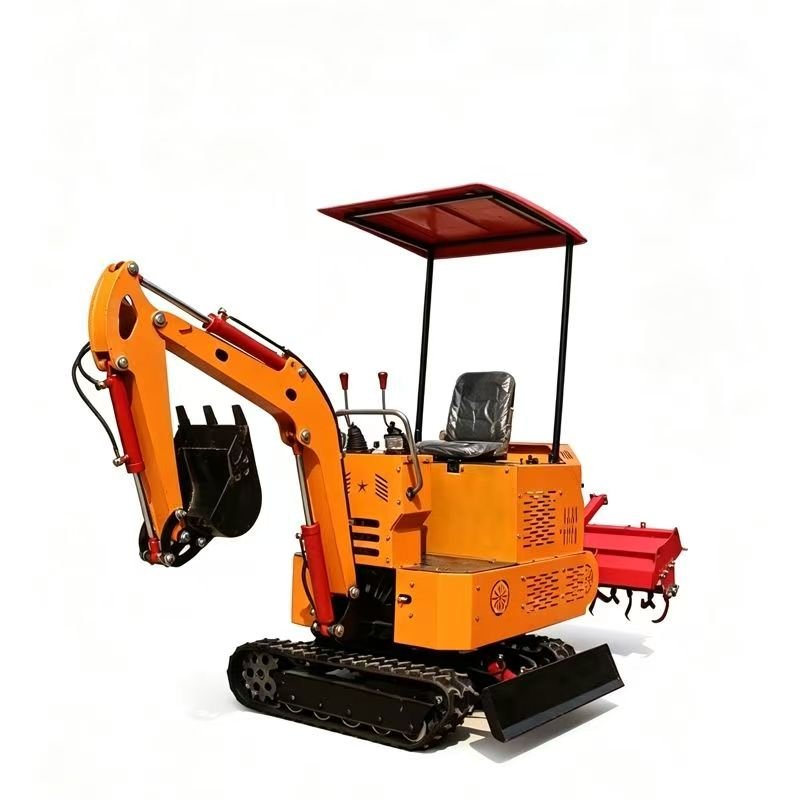
If your operations involve heavy loads or outdoor terrain, consider a mini excavator for complementary tasks.
Conclusion
Choosing the best new energy electric forklift in the UK requires balancing technical specifications, compliance, cost, and supplier reliability. Prioritize lithium-ion technology for most applications, verify UKCA marking, and calculate TCO rather than just purchase price. Use the checklist above to shortlist models, and always request a site survey and demo. With the right forklift, you'll cut emissions, reduce operating costs, and future-proof your material handling operations.