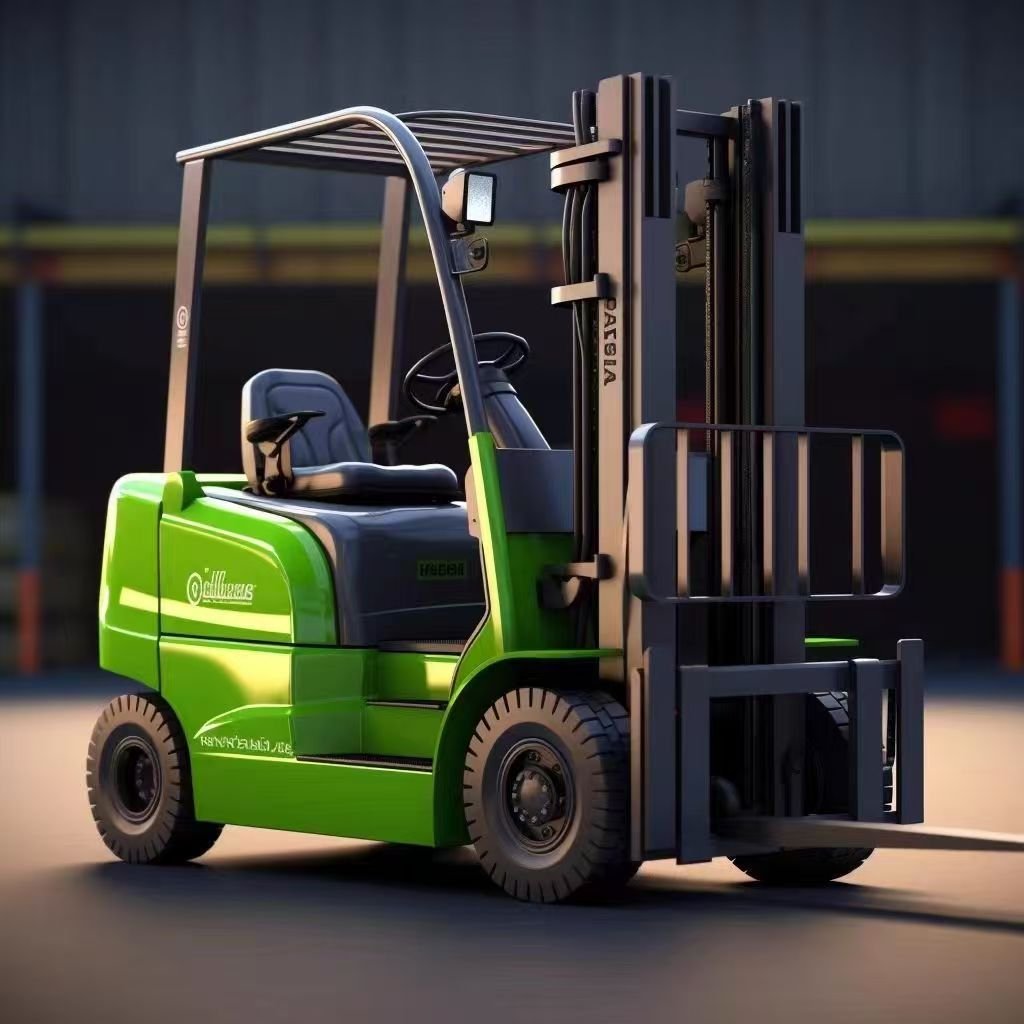
2024 Best New Energy Electric Forklift Procurement Guide: 5 Key Parameters and Selection Suggestions
With global concerns over carbon emissions and the rise in fuel costs, new energy electric forklifts have become the preferred choice for warehousing and logistics as well as manufacturing. But in the face of numerous brands and models on the market, how can you select the "best" new energy electric forklift that truly suits your working conditions? This article will start from a procurement perspective and focus on core parameters such as battery type, range, load capacity, safety, and total cost of ownership to provide you with a practical selection guide, helping you make wise procurement decisions in 2024.
1. Battery type and endurance: The core determining operational efficiency
The core of new energy electric forklifts lies in "new energy". Currently, the mainstream solutions include lithium iron phosphate batteries and lead-acid batteries. Lithium iron phosphate batteries are rapidly becoming the mainstream in the market due to their advantages such as high energy density, long cycle life (usually over 3,000 times), and support for fast charging. For multi-shift operation scenarios, it is recommended to choose models that support 1-2 hours of fast charging and pay attention to the matching of battery capacity (kWh) and driving range. For instance, a lithium battery with a capacity of 80V/400Ah can support continuous operation for 6 to 8 hours under moderate-intensity conditions. When making a purchase, it is necessary to clearly define the battery brand provided by the supplier, the warranty period (usually 5 years or 10,000 hours), and whether it has an intelligent battery management system (BMS) to ensure safety and lifespan.
2. Load capacity and mast configuration: Match your actual handling needs
Load capacity is a fundamental parameter for forklift selection. The common load capacity range of new energy electric forklifts is between 1.5 tons and 3.5 tons. When making a purchase, it should be determined based on the weight of the goods to be moved daily, the height of the shelves and the width of the aisles. For instance, if you mainly handle palletized goods weighing less than 1.5 tons, choosing a 2-ton vehicle model can meet your needs and leave some margin. If the stacking height needs to exceed 6 meters, a three-level or four-level gantry should be selected, and attention should be paid to the attenuation relationship between the lifting height of the gantry and the rated load. In addition, the type of gantry (standard gantry, fully free gantry) will affect the field of vision and operational efficiency. It is recommended to choose based on the layout of the warehouse shelves.
3. Safety and Intelligent Configuration: Reduce accident risks and enhance management efficiency
Modern new energy electric forklifts are usually equipped with multiple safety features, such as OPS (Operator Presence Sensing System), anti-rolling on slopes, and automatic deceleration when turning. For B2B procurement, it is also necessary to pay attention to whether there is a fleet management system interface to monitor vehicle status, battery level, fault alarms, etc. in real time. For instance, through CAN bus or iot modules, managers can optimize scheduling and reduce downtime. In addition, driving comfort (such as suspended seats and low-noise design) should not be overlooked either, as it directly affects the driver's fatigue and work efficiency.
4. Total Cost of Ownership (TCO) Analysis: Don't just look at the purchase price
The procurement cost of new energy electric forklifts is usually higher than that of internal combustion forklifts, but the operating cost is significantly lower. Take a 2-ton electric forklift as an example. Its electricity cost per hour is about one-third of that of an internal combustion forklift, and the maintenance cost is even lower (no need to change engine oil, filters, etc.). Based on an annual working hour of 2,000, electric forklifts can save approximately 20,000 to 30,000 yuan in energy and maintenance costs each year. When making a purchase, a comprehensive assessment should be conducted on aspects such as battery life, warranty policies, after-sales service network coverage, and the speed of spare parts supply. It is recommended to ask the supplier to provide a detailed TCO calculation table and compare the total expenditure within 3 to 5 years.
5. Brand and After-sales Service: Ensure long-term stable operation
It is crucial to choose a brand with mature accumulation of new energy technologies. When evaluating suppliers, you can pay attention to whether they have passed CE, ISO and other certifications, as well as the number of local service outlets and response time. For enterprises purchasing new energy forklifts for the first time, it is recommended to give priority to suppliers that offer trial opportunities and clearly stipulate terms such as training, maintenance and battery recycling in the contract. At the same time, industry trends can be referred to, such as the growth in market demand for key components like hydraulic seals (reflecting the overall strong demand for construction machinery), which indirectly confirms the maturity of the new energy forklift supply chain. If you need other engineering equipment at the same time, you can browse our websiteProduct CenterLearn about product lines such as concrete pumps and mini excavators.
Summary
When choosing the best new energy electric forklifts for 2024, five major dimensions need to be comprehensively considered: battery range, load configuration, safety and intelligence, total cost of ownership, and after-sales service. It is recommended that purchasers develop a scoring table based on their own working conditions, conduct quantitative comparisons of candidate models, and give priority to suppliers that provide complete technical data and localized support. Through a scientific selection process, you can not only enhance the handling efficiency but also achieve significant cost savings in long-term operation.