Wooden door and window processing equipment selection guide: precisely match your production needs
Scenario pain point analysis
In the wooden door and window processing industry, buyers often face the following pain points: Mismatch between equipment and processing needs This can lead to inefficiency or wasted investment; Spatial limitations Especially for on-site installation or small workshops, large equipment is difficult to access; High dependence on manual labor There is a shortage of skilled workers and high training costs; Environmental protection and energy consumption pressure Traditional equipment is noisy and emits high emissions, which does not conform to the trend of green production. In addition, multiple processes require multiple pieces of equipment, increasing procurement and maintenance costs.
Selection Points checklist
1. Define processing needs and production capacity
- Cutting materials and dimensions Select equipment based on the type of commonly used wood (solid wood, engineered wood) and the maximum processing size (e.g., panel 122*244cm, log diameter 500mm).
- Capacity requirements : Evaluate hourly or shift output and match equipment power and model.
- process coverage Is it necessary to integrate multiple functions such as cutting, grooving, and edge sealing to reduce the number of equipment?
2. Assessing workspace and mobility
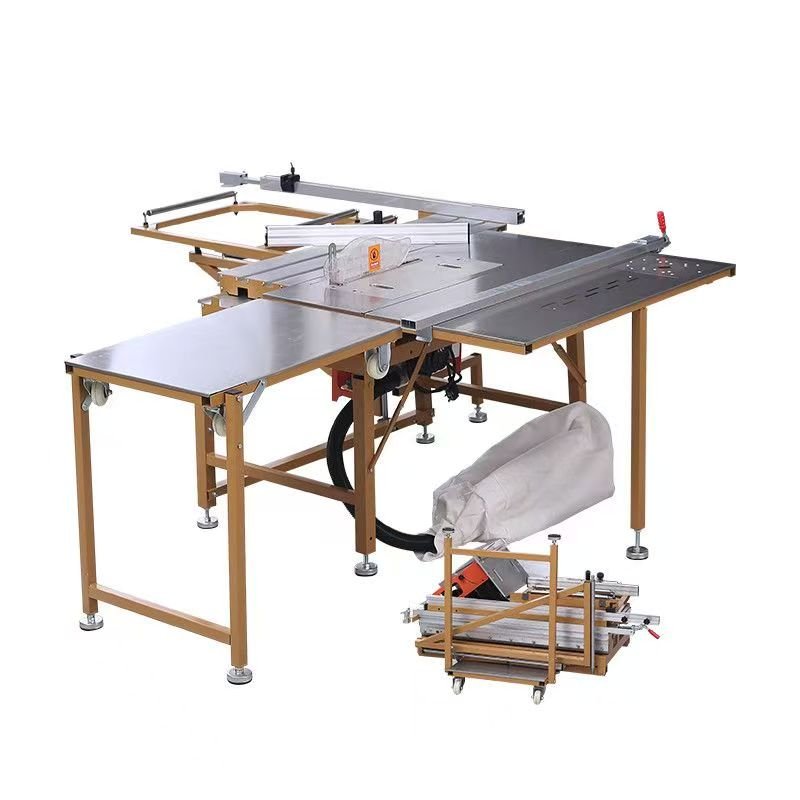
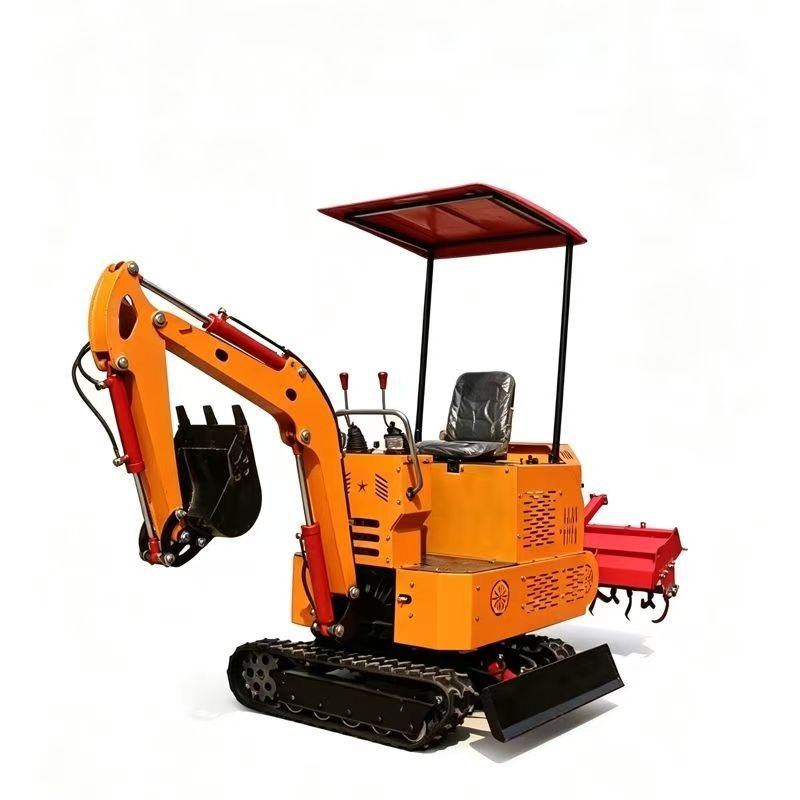
- Site size For tight spaces, consider compact or foldable equipment, such as folding table saws and mini excavators.
- Mobile demand Frequent on-site operations? Choose equipment with casters or vehicle-mounted transport.
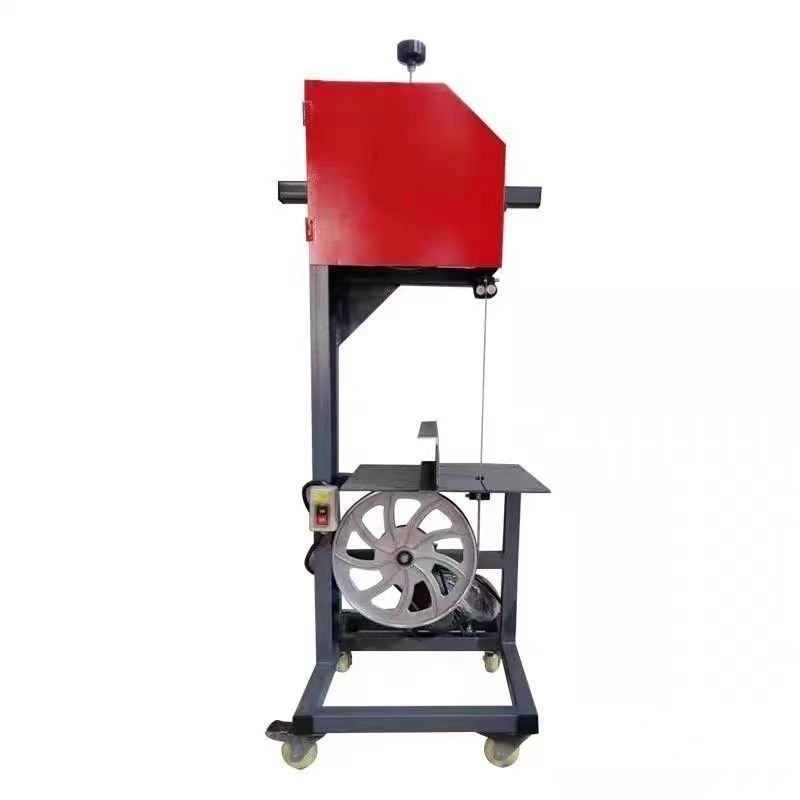
- Installation conditions Are there any basic requirements? Band saws, etc., require no foundation and can be used immediately.
3. Focus on power and environmental protection
- Power type Electric motors are suitable for indoor, low-noise scenarios; Diesel fuel is suitable for off-road use without power.
- Energy cost Electric devices cost only 1-2 cents per hour, making long-term use more economical.
- Emissions and Noise Indoor processing prioritizes zero-emission electrical equipment.
4. Ease of operation and safety
- Training costs Integrated console and one-click start function reduce training needs.
- safety design Such as electromagnetic braking, emergency stop, protective cover, etc.
- Accuracy and stability The quality of the guide rail and saw blade determines the cutting accuracy and yield.
5. Expandability and versatility
- Accessory compatibility Can edge banding machines, planers, etc. be installed to meet future needs?
- One machine for multiple purposes For example, exploring rotary tillers can save on procurement and storage costs.
Product Recommendations and Reasons
1. Precision folding sliding table saw
Reasons for recommendation Designed specifically for renovation carpenters and furniture manufacturers, it is only 100*60*35cm when folded and can fit in the trunk of a car, making it suitable for on-site work. After unfolding, it cuts 122*244cm standard panels, supports 45-degree bevel cutting, and can be operated by one person with high precision. When combined with a dust-free saw and edge banding machine, it forms a complete woodworking system, making it an ideal choice for on-site installation of wooden doors and windows.
2. Woodworking band saw machine
Reasons for recommendation Six models cover curved saws up to 60 models, with motors ranging from 2.2KW to 7.5KW, suitable for wood splitting and curved cutting. Thickened cast iron wheels and alloy blades ensure durability, and one-click start requires no training. The workbench can be customized and has casters for easy movement, making it a basic piece of equipment for furniture factories and carpentry workshops.
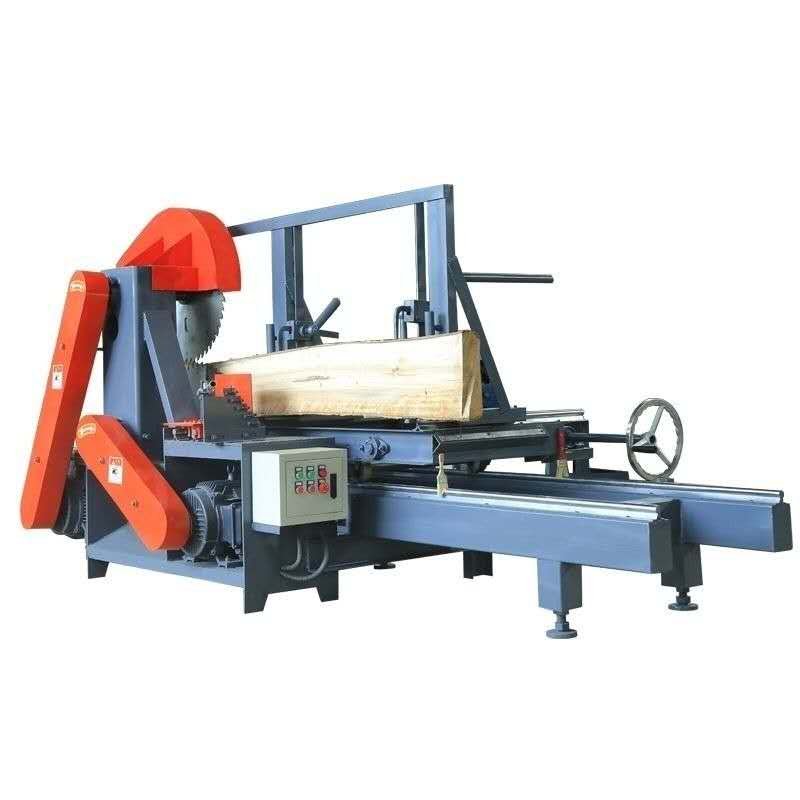
3. Multifunctional circular log push saw
Reasons for recommendation The JY-300 integrates cutting, slicing, and deboarding, with a maximum processing diameter of 500mm and a customizable length of 6m. Double saw blades provide efficient cutting, processing 2-3 cubic meters per hour, three times more efficient than traditional band saws. Pneumatic clamping and fully enclosed dust removal are suitable for batch log cutting, improving the processing efficiency of wooden door and window substrates.
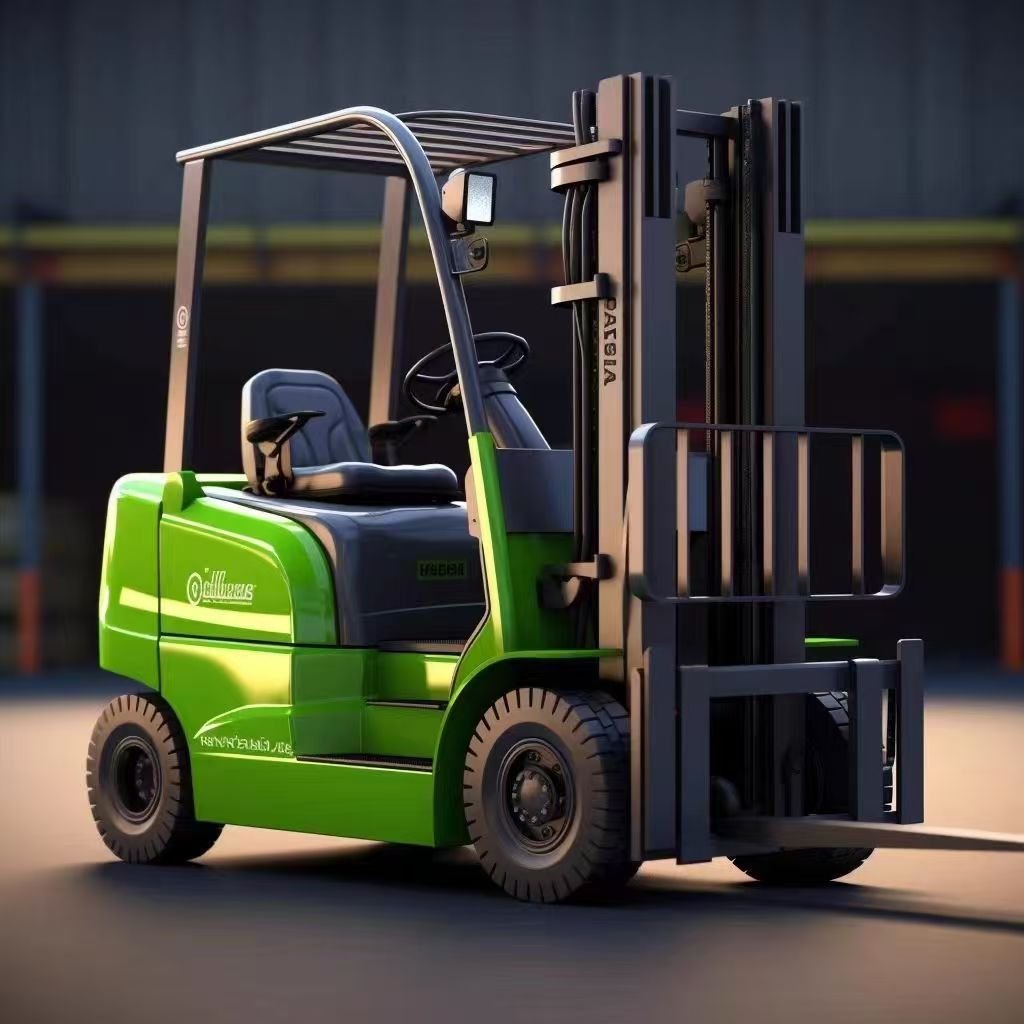
4. New energy electric forklift
Reasons for recommendation Used for material handling in the workshop, it is pure electric and zero-emission, with electricity costs of only 1-2 cents per hour. Five load capacities (1-3 tons) are available, along with hydraulic power steering and a 90-degree turning radius, enabling flexible operation in tight warehouses. Intelligent electromagnetic braking and 3m standard lifting improve logistics efficiency and reduce operating costs.
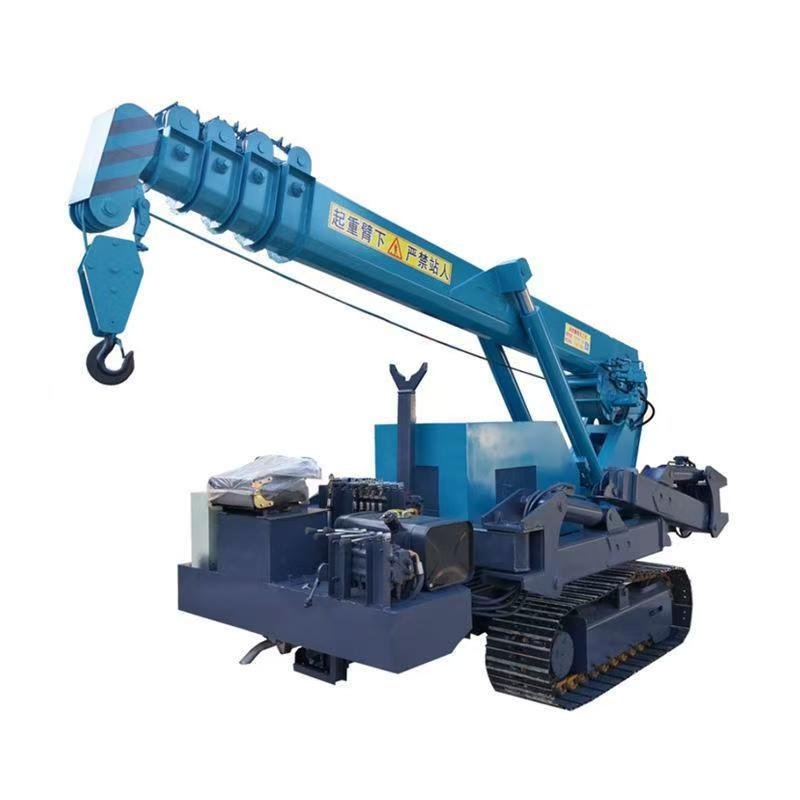
5. Spider crane (mini crawler crane)
Reasons for recommendation For narrow spaces where large cranes cannot enter, such as indoor door and window installation and hoisting. 1-8 ton model, U-shaped telescopic boom, working radius up to 7.8 meters. With dual hydraulic and electric power, the rubber tracks do not damage the ground and rotate 360 degrees, solving hoisting problems in extreme environments such as wall corners and stairwells.