Equipment Selection Guide for Small Woodworking Workshops: Precise Procurement, Efficient Production
Pain points and selection challenges of small woodworking workshops
Small woodworking workshops often face challenges such as limited space, tight budgets, and diverse orders. When purchasing equipment, it is necessary to meet the needs of precision cutting and efficient discharge, while also considering the equipment's versatility, portability, and operating costs. Incorrect selection can lead to idle equipment, low production efficiency, or inability to take on high-profit orders. This guide is based on real product data to help you choose the most suitable equipment for your workshop scenario.
Selection Points checklist
- Processing requirements: Clearly define the main processing materials (logs, boards, special-shaped parts) and processes (cutting, blanking, carving, edge sealing).
- Space and Portability: Is the workshop small? Whether the device is foldable, with casters, and easy to move and store.
- Capacity and accuracy: Choose the appropriate power and model based on the order volume to avoid "small horses pulling big carts" or overcapacity.
- Operating costs: Considering power supply, energy consumption, and maintenance costs, priority should be given to equipment with low energy consumption and easy maintenance.
- Operational threshold: Is worker training costly? Choose a device with one-click start and intuitive control.
- Scalability: Can the equipment be combined with other woodworking machinery (such as edge banding machines and routers) to form a complete production line?
Product Recommendations and Reasons
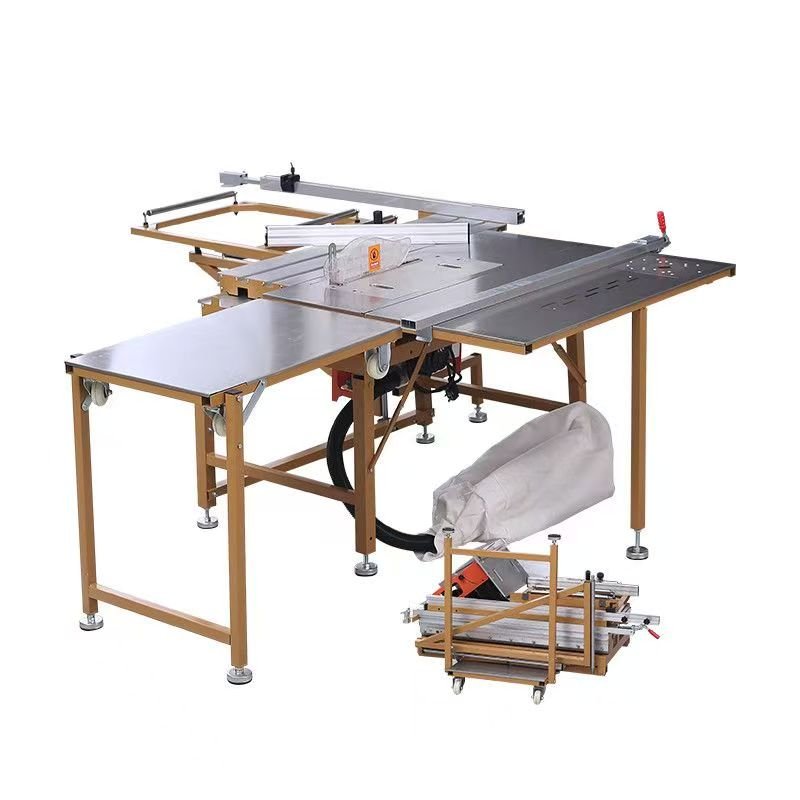
1. Precision folding table saw: the preferred choice for precision cutting in small spaces
This slide saw is ideal for workshops where space is limited and on-site work is required. When folded, it is only 100*60*35cm and can fit in the trunk of a car. When unfolded, the slide reaches 215*250cm and can cut standard 122*244cm boards. It supports 45-degree bevel cutting and 1-90-degree cross cutting, and can be paired with dust-free double-edge saws, routers, and edge banding machines to form a complete woodworking system. The large panel can be operated by a single person, and the cutting surface is smooth and burr-free, making it suitable for custom furniture and renovation carpentry.
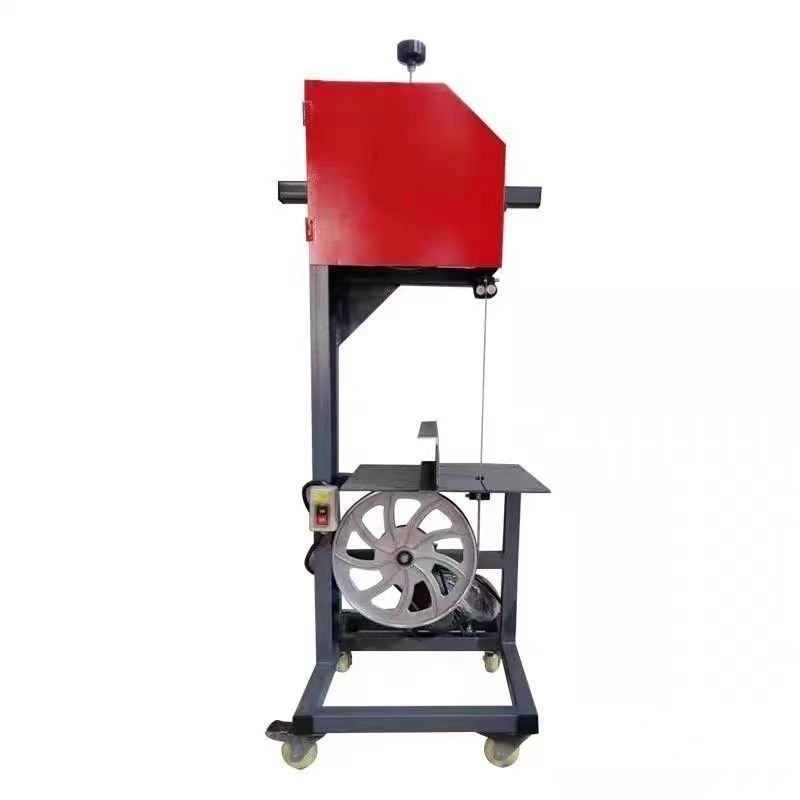
2. Woodworking band saw: a multi-functional curve cutting tool
A band saw is essential if your workshop frequently handles logs, curve cutting, or irregular shaping. Six models are available (curved saw, 30, 35, 40, 50, 60), with motor power of 2.2KW-7.5KW, and optional bimetal or alloy blades. Thickened cast iron wheels and pure copper motors ensure durability, while auxiliary fences and rollers improve safety. One-click start, no foundation required, suitable for furniture factories, carpentry workshops and construction sites.
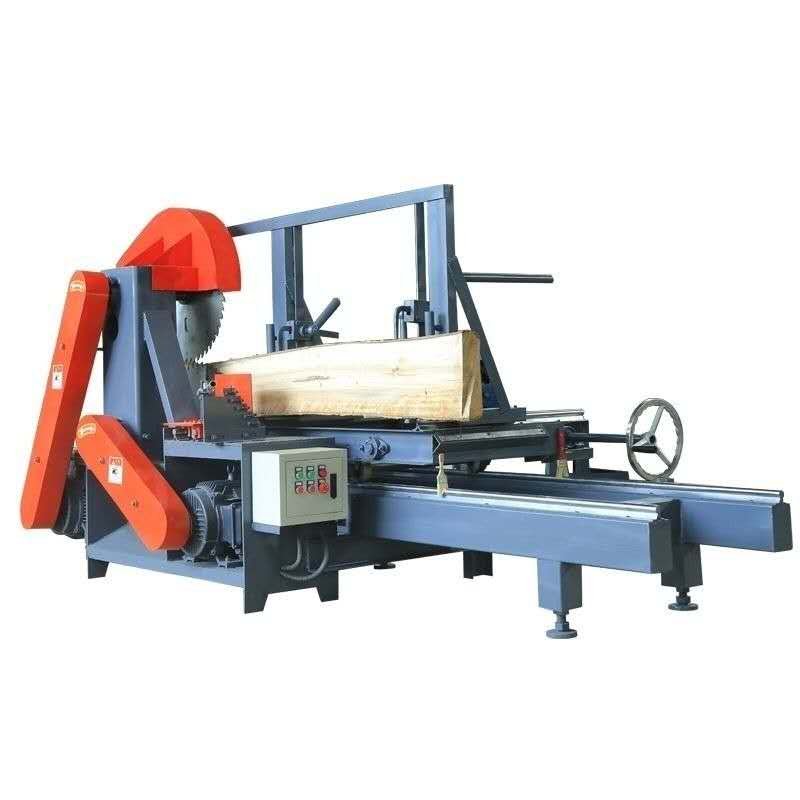
3. Multifunctional round log push saw: an efficient solution for log cutting.
To meet the needs of log cutting, the JY-300 push table saw integrates cutting, slicing, and deboarding, with a maximum processing diameter of 500mm and a length of 0.5-6m that can be customized. The double saw blades provide symmetrical cutting, with a smooth saw surface that does not require secondary planing. They process 2-3 cubic meters per hour, making them three times more efficient than traditional band saws. The pneumatic clamping version can fix logs with one click, allowing for single-person operation and reducing reliance on skilled workers. Fully enclosed dust removal design improves the working environment.
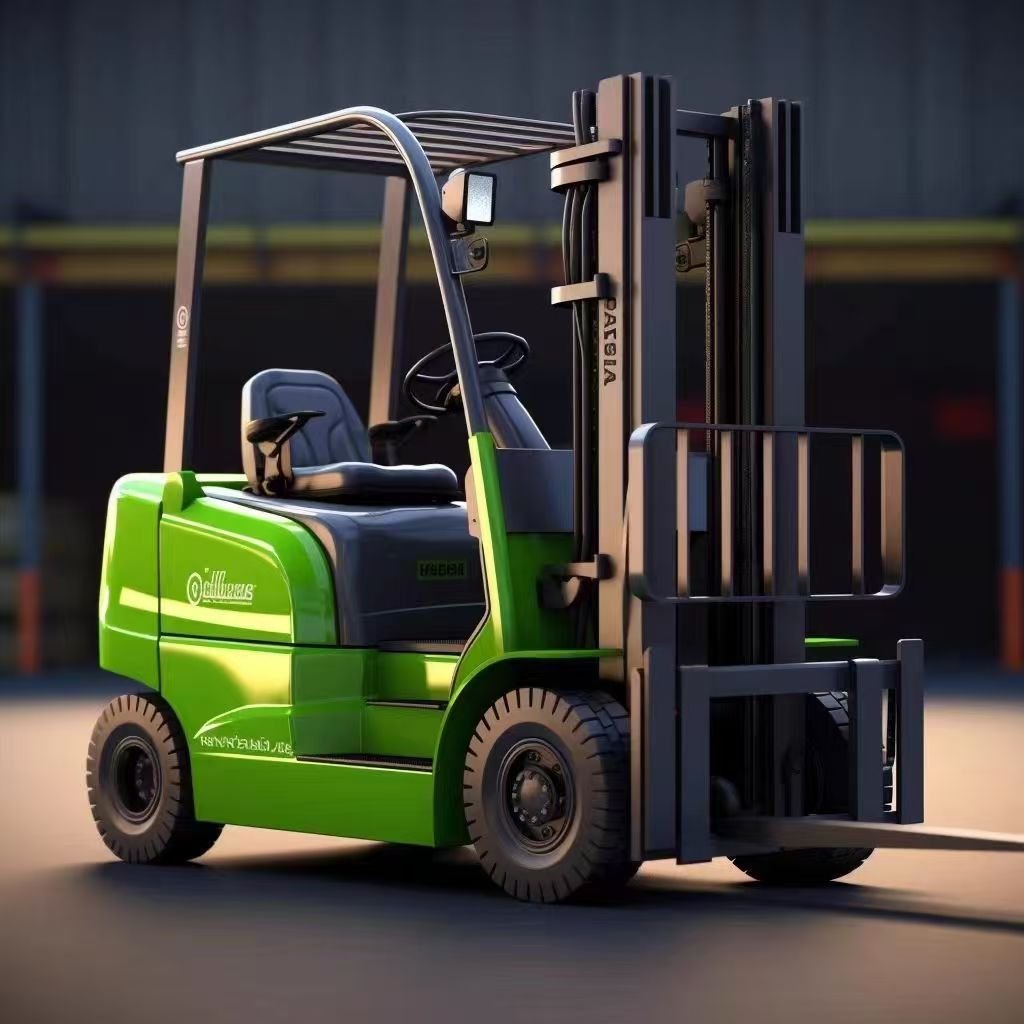
4. New Energy Electric Forklifts: A Low-Cost Option for Material Handling
Material handling in the workshop is often overlooked, but efficiency has been significantly improved. This electric forklift offers five load options ranging from 1 to 3 tons, features a 60V pure electric system, zero emissions, low noise, and electricity costs only 1-2 cents per hour. Hydraulic power steering and a 90-degree turning radius are suitable for tight spaces. It comes standard with a 3m lifting height and can be customized, making it suitable for warehouses, workshops, and other scenarios.
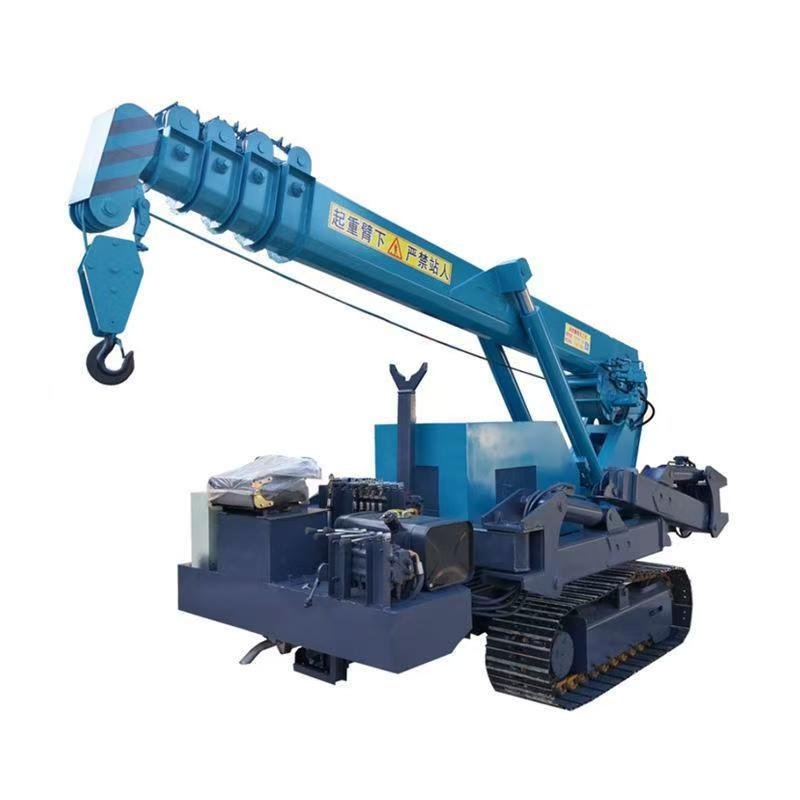
5. Spider Crane: Expert in Confined Space Lifting
If the workshop involves lifting heavy timber or equipment, spider cranes can solve the problem of large cranes not being able to enter. We offer models ranging from 1 to 8 tons, including U-shaped high-strength manganese telescopic booms. The 1-ton model has a working radius of 5 meters, and the 3-ton model has a working radius of 7.8 meters. 360-degree continuous rotation, dual hydraulic and electric power, rubber tracks do not harm the ground. It can be entered indoors through standard doorways and elevators, making it suitable for extremely narrow spaces such as corners and stairwells.
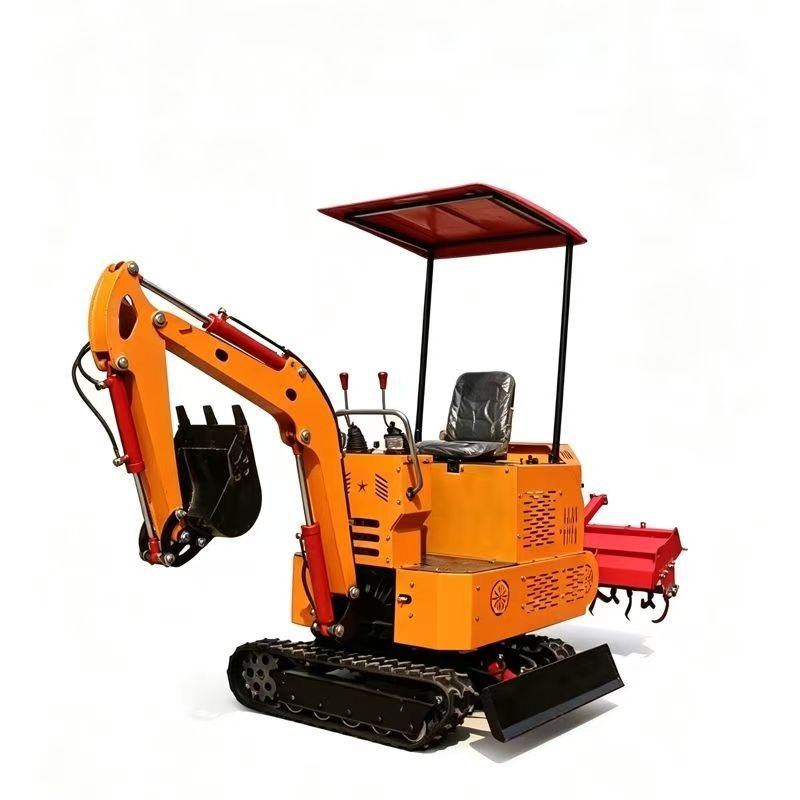
6. Mini excavator (excavator + rotary tiller): Multifunctional compact construction machinery
For workshops involving landscaping or small earthwork projects, this all-in-one machine can save on procurement costs. The front hydraulic excavator arm handles excavation, crushing, and grabbing, while the rear rotary tiller is used for plowing and leveling. 360-degree rotation, compact size (2000*1000*2300mm), light truck transportation, suitable for agricultural and forestry engineering and landscaping.
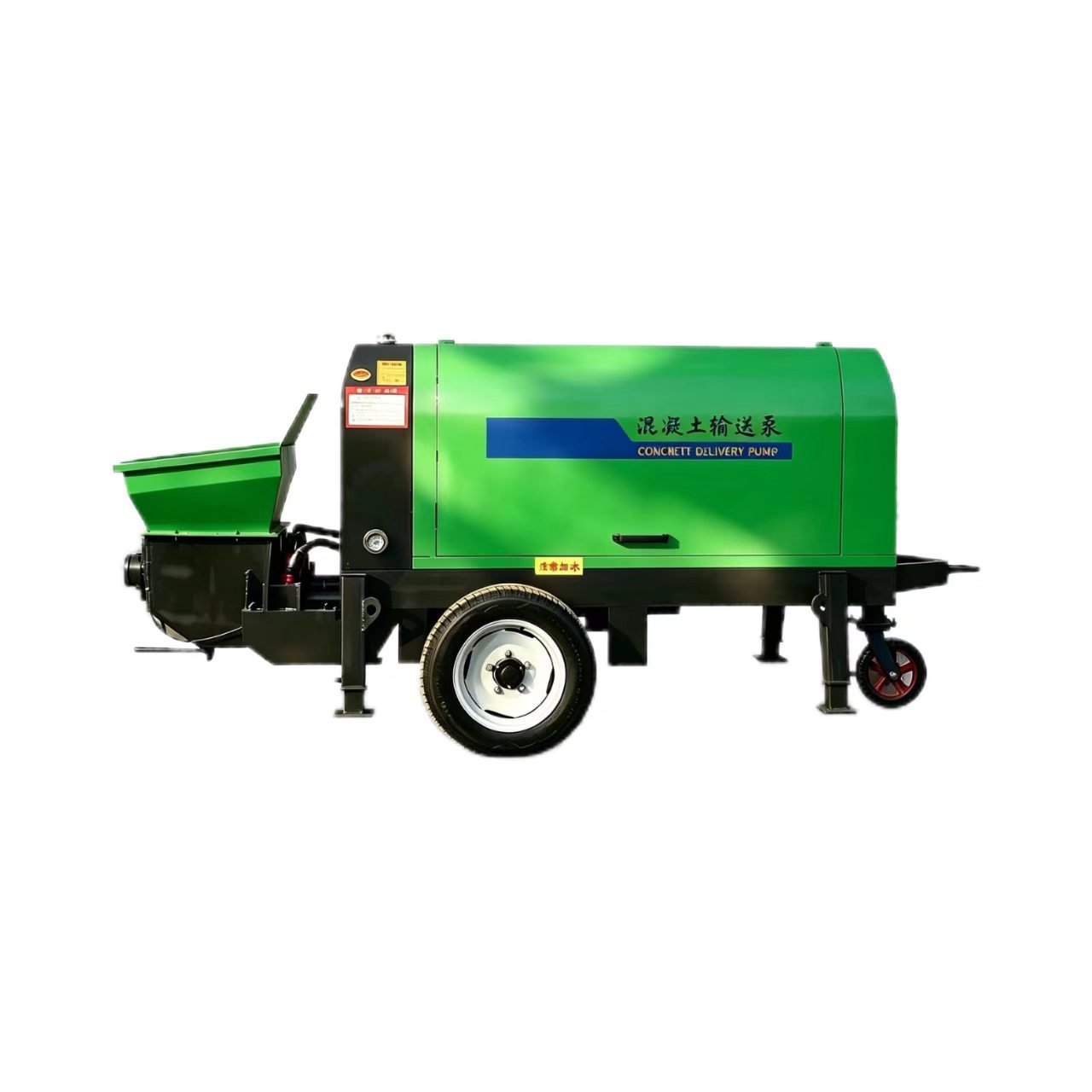
7. Concrete delivery pumps: Construction and woodworking equipment
If the workshop undertakes construction and carpentry projects, the concrete pump can expand its business. Available in electric and diesel versions, with an output of 5-55m³/h, a maximum vertical conveyor of 200 meters, and a horizontal conveyor of 550 meters. The S-shaped valve has stable reversing and a treated aggregate diameter of 0.5-30mm. Integrated control cabinet, one-click start, suitable for floor pouring, bridge construction, etc.
sum up
When selecting a small woodworking workshop, priority should be given to space adaptability, versatility, and operating costs. Precision folding table saws and woodworking band saws are the core processing equipment; Circular log push saw is suitable for log cutting; Electric forklifts and spider cranes solve the handling and lifting problem; Mini excavators and concrete pumps have expanded their business scope. Choose the right model based on the actual order and site conditions to avoid over-investment.