New Energy Electric Forklift vs Mini Excavator: Material Handling and Minor Engineering Equipment Selection Guide
| Dimension | New Energy Electric Forklift | Mini Excavator (Excavator + Rotary Tiller All-in-One) | Analysis |
|---|---|---|---|
| Power type | 60V纯电动(铅酸/锂电可选) | 柴油发动机 | Electric forklift zero emission, low noise, suitable for indoor; diesel excavator power is strong, suitable for field high-intensity operations. |
| Walking style | 四轮坐式,实心轮胎 | 履带式(橡胶/钢制可选) | The wheel is suitable for flat and hard ground; the track has a large grounding area, suitable for muddy, sloping and uneven terrain. |
| Control system | 方向盘+液压助力转向,集成控制台 | 双杆液压控制,360度旋转 | The operation of the forklift is similar to that of a car and is easy to use; the double lever control of the excavator requires simple training, but the rotation is flexible. |
| Core features | 升降搬运,举升高度3m(可定制) | 挖掘+旋耕,前挖后耕一体 | Forklift focuses on vertical and horizontal handling of materials. Excavators focus on earthwork excavation and agricultural farming, and their functions do not overlap. |
| Attachment extension | 20+种属具(侧移器、夹具等) | 铲斗、破碎锤、旋耕机等 | Both support multi-functional expansion, but the type of equipment is completely different, corresponding to different material handling needs. |
| Mode of transport | 自行驾驶或平板拖车 | 轻型卡车运输 | The forklift can move by itself in a short distance; the excavator is compact in size, and the ordinary light truck can be transferred to the field, and the transportation cost is low. |
Introduction: Two types of devices, two distinct missions.
In B2B procurement, new energy electric forklifts and mini excavators (excavators-rotary tillers) seem to be construction machinery, but their core missions are very different. The former focuses onHorizontal or vertical material handling,the latter excels atEarthmoving operations and agricultural cultivation. This guide is based on objective product data to help you make accurate selection based on actual working conditions and avoid wrong investments.
Application scenario differences: warehousing and logistics vs. earthmoving, agriculture, and forestry
New Energy Electric Forklift: Expert in Indoor and Outdoor Material Handling
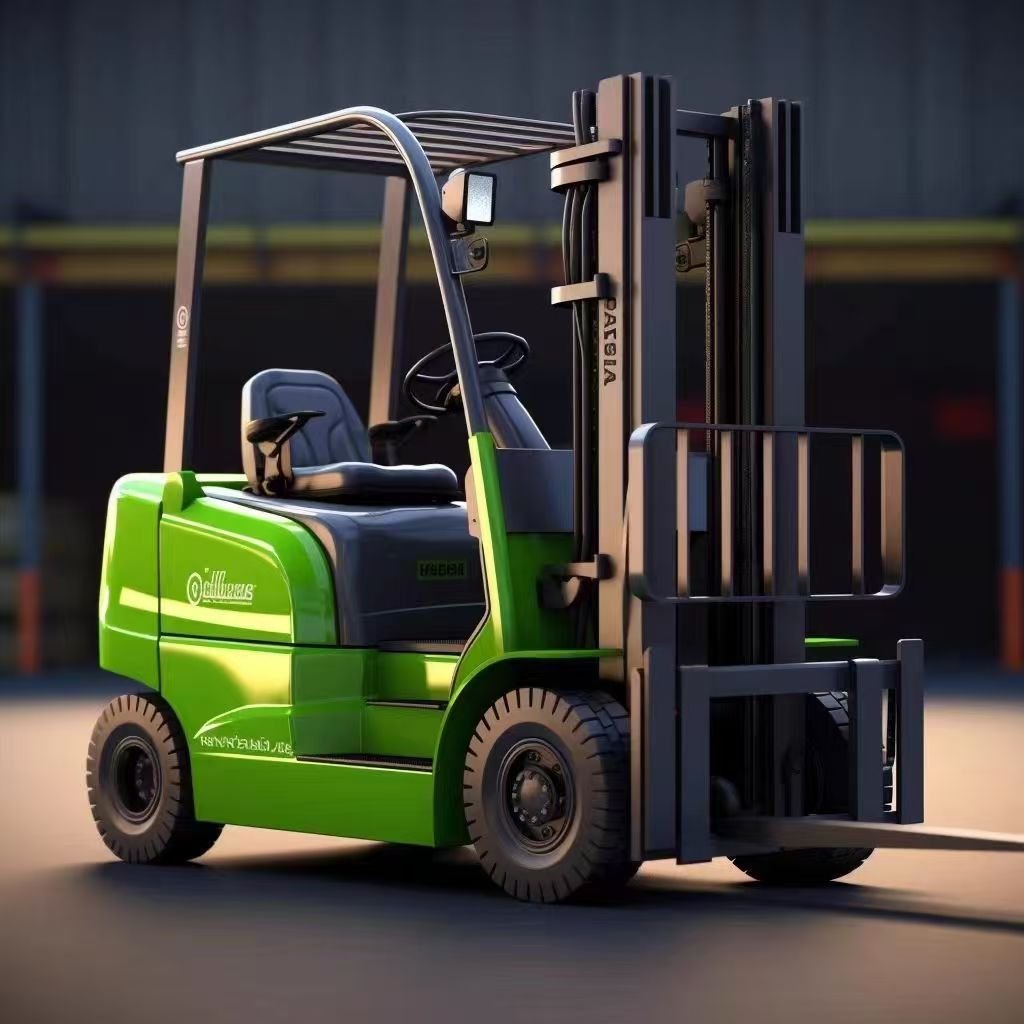
The equipment provides five load capacities of 1 ton to 3 tons, standard 3 meters lifting height (customizable), specially designedWarehouses, manufacturing workshops, port terminals, construction sites, and the food and pharmaceutical cold chain.and other scene designs. Its 60V pure electric system achieves zero emissions, low noise, and electricity costs only 1-2 cents per hour, which is suitable for long-term indoor operations. The 90-degree turning radius and in-situ steering ability make it easy in narrow shelf passages. 20 Accessories (side shifter, fixture, rotator, etc.) can handle various materials such as pallets, rollers, and reels.
Mini excavator: a versatile tool for earthmoving and cultivation in tight spaces.
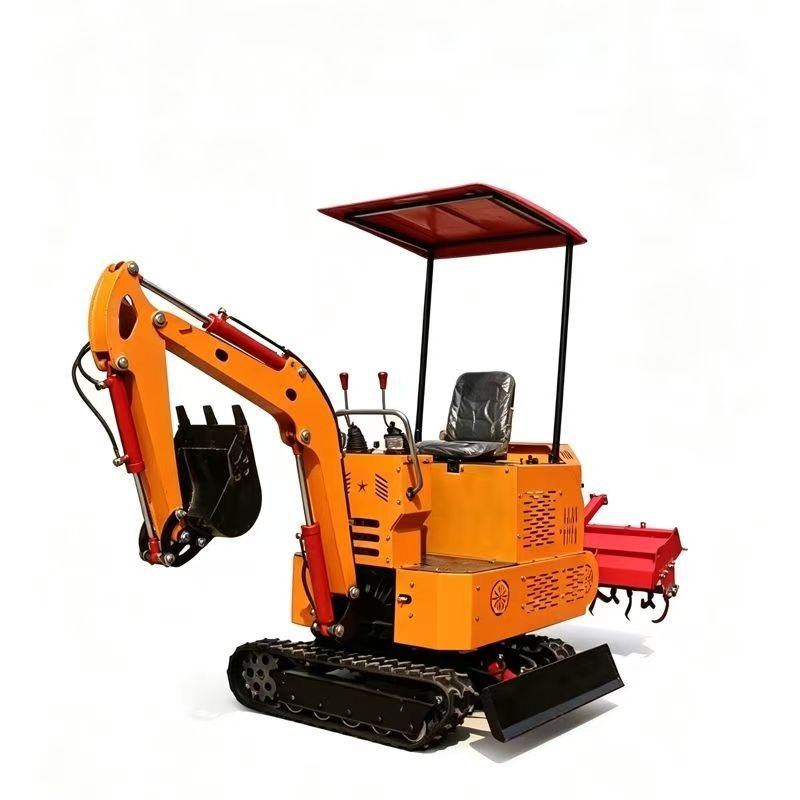
The equipment integrates the front hydraulic digging arm and the rear rotary tiller, and provides two configurations of agricultural rubber crawler and engineering steel crawler. The overall size is 2000 × 1000 × 2300mm, which can be transported by light trucks and is suitableOrchards, vegetable greenhouses, hilly and mountainous terrain, municipal pipelines, landscape gardening, indoor demolitionAnd so on. 360-degree full rotation design, flexible operation in corners and low spaces. Quick connector can switch bucket, breaking hammer, grab, auger and other accessories, to achieve excavation, crushing, drilling, rotary tillage, ditching and other functions.
Technical Comparison: Common Parameters and Core Differences
The two devices differ fundamentally in terms of their powertrain, locomotion method, and control system. The following table presents an objective analysis based on shared or comparable parameters:
| Comparison dimension | New energy electric forklift | Mini excavator |
|---|---|---|
| Power type | 60V pure electric (lead-acid/lithium battery optional) | Diesel engine |
| Walking style | Four-wheel seated, solid tires | Tracked (rubber/steel optional) |
| Control system | Steering wheel with hydraulic power steering, integrated console | Dual-cylinder hydraulic control, 360-degree rotation |
| Core features | Lifting and handling, lifting height 3m (customizable) | Excavation and rotary tillage, integrated front digging and rear tilling. |
| Attachment extension | 20 types of attachments (side shifters, clamps, etc.) | Bucket, breaker, rotary tiller, etc. |
| Mode of transport | Self-driving or flatbed trailer | Light truck transportation |
Selection recommendation: Match the equipment to the operating conditions.
Prioritize new-energy electric forklifts if:
- Your core requirement isLifting and short-distance handling of materials such as pallets, racks, and containers..
- The working environment isIndoor warehouses, workshops, cold storage or food and medical places with high environmental requirements, requiring zero emissions and low noise.
- You needQuick attachment exchange for multiple implementsTo handle goods in different packaging formats.
- You are following.Operating costsElectricity costs only 1–2 cents per hour, and maintenance is simple.
Prioritize mini excavators if:
- Your core requirement isExcavation, crushing, drilling, rotary tillage, ditching and other earthwork or agricultural operations.
- WorkspaceNarrow and with complex terrain, such as orchard row, inside the greenhouse, mountains and hills, indoor demolition.
- You needA single machine simultaneously performs excavation and tillage., reduce procurement and storage costs.
- You needConvenient mode of transportationLight trucks can be used for relocation, reducing transportation costs.
Budget and Return Considerations
Electric forklifts have obvious operating cost advantages and are suitable for material handling in high-frequency and fixed places. Mini excavators reduce equipment rental and labor costs through multi-purpose machines, and are suitable for engineering teams or farms with scattered projects and changeable working conditions. If you are involved in both warehousing and earthwork, it is recommended to purchase separately, rather than trying to cover all tasks with one piece of equipment.
Frequently Asked Questions
Q: Can the electric forklift’s battery life support double-shift operations?
Answer: The standard lead-acid battery can run continuously for more than 8 hours, and it takes 6-8 hours to charge. In case of double shift operation, it is recommended to upgrade lithium battery, support opportunity charging, and quickly replenish electricity during rest time.
Q: How to choose the rubber track and steel track of mini excavator?
Answer: The rubber track is suitable for scenes that need to protect the ground such as orchards, greenhouses, and lawns; the steel track is suitable for rough ground such as construction sites and municipal pipelines, and has stronger wear resistance but will damage the road surface.
Q: Can electric forklifts operate outdoors in rainy weather?
Answer: The forklift is designed for indoor and outdoor use, but the pure electric system is recommended to avoid prolonged rain. Rainproof configuration can be selected for outdoor scenes such as ports, and the protection level should be confirmed with the supplier.
Question: Can a mini excavator replace a large excavator?
Answer: No. It is designed specifically for confined spaces and small earthmoving tasks, with limited digging depth and efficiency. Large projects still require large equipment, but mini excavators can complete the finishing and fine operations.